足迹研学“一带一路大主题研学”之南疆

Day2:石头城、塔吉克族家访和慕士塔格冰川公园

帕米尔高原的异域风光、塔吉克族的民族风情、慕士塔格冰川公园的仰望,成为南疆之行最初的底色。


01. 石头城

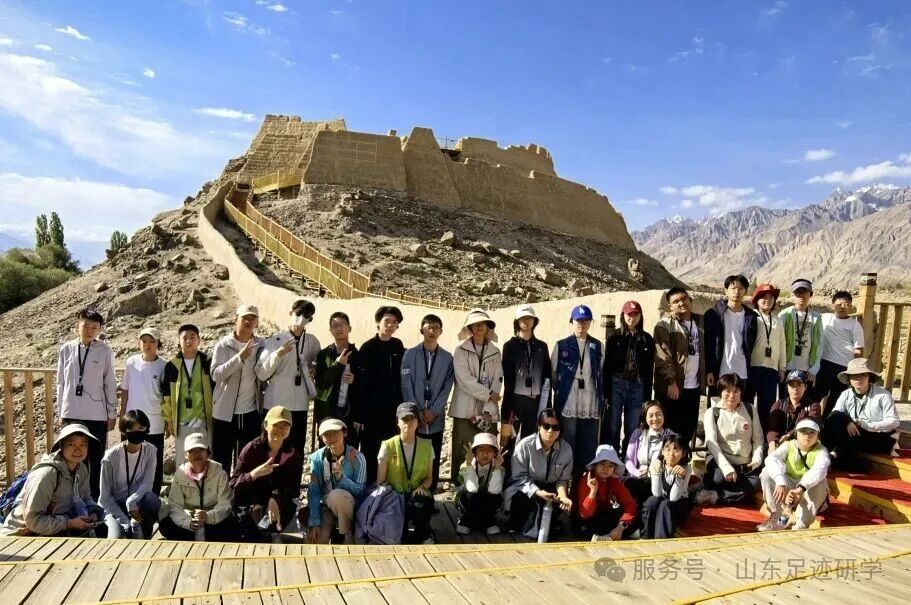
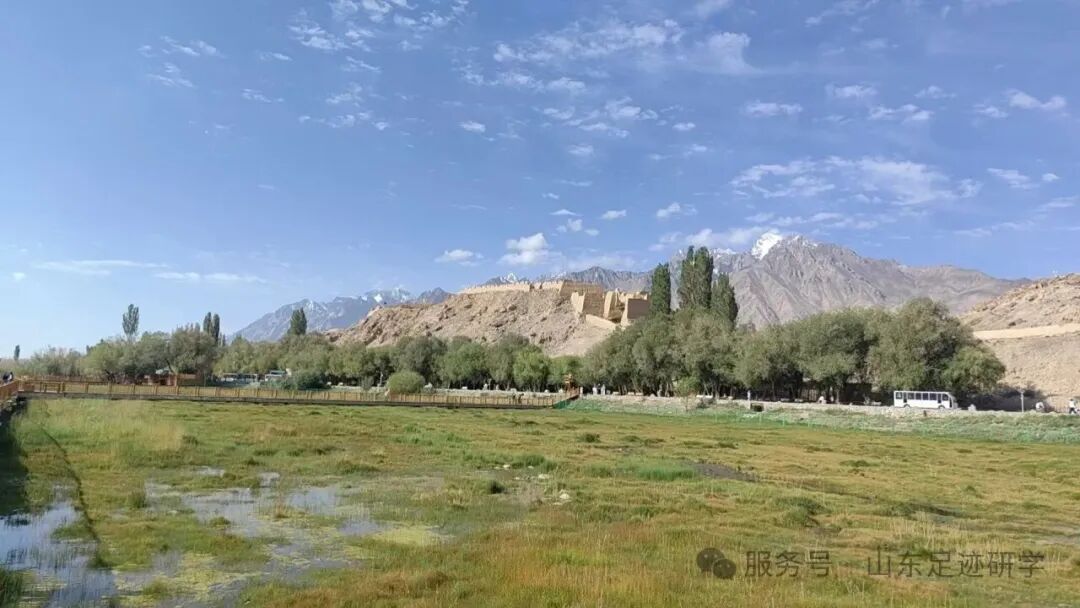
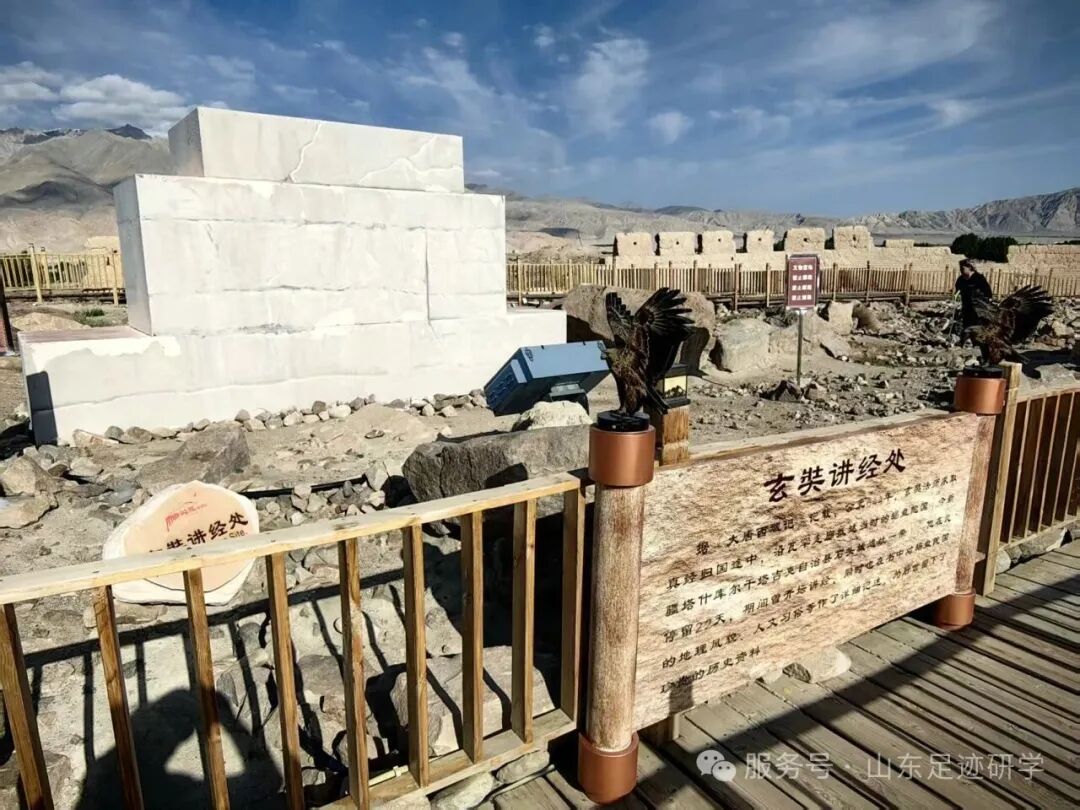
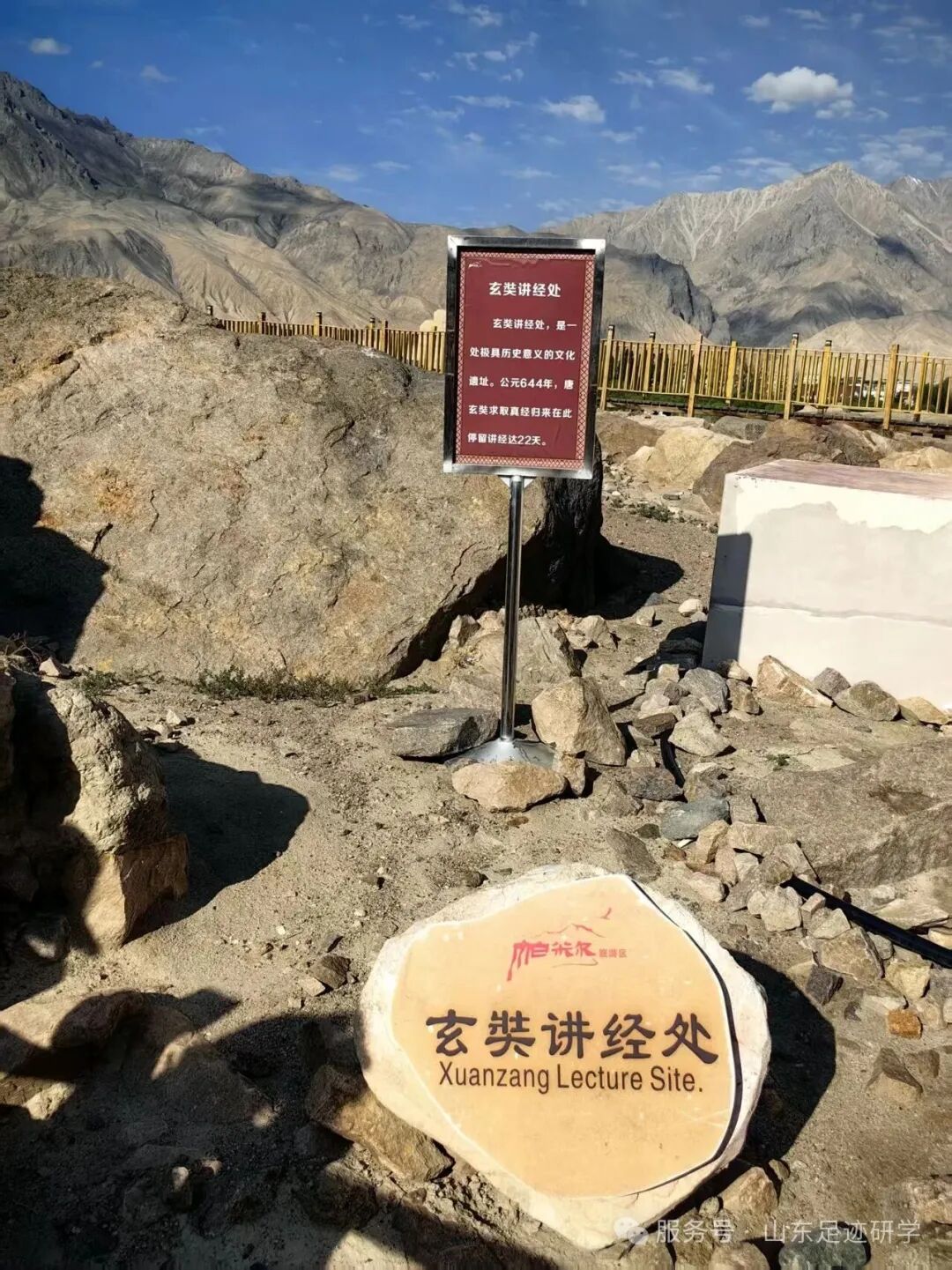
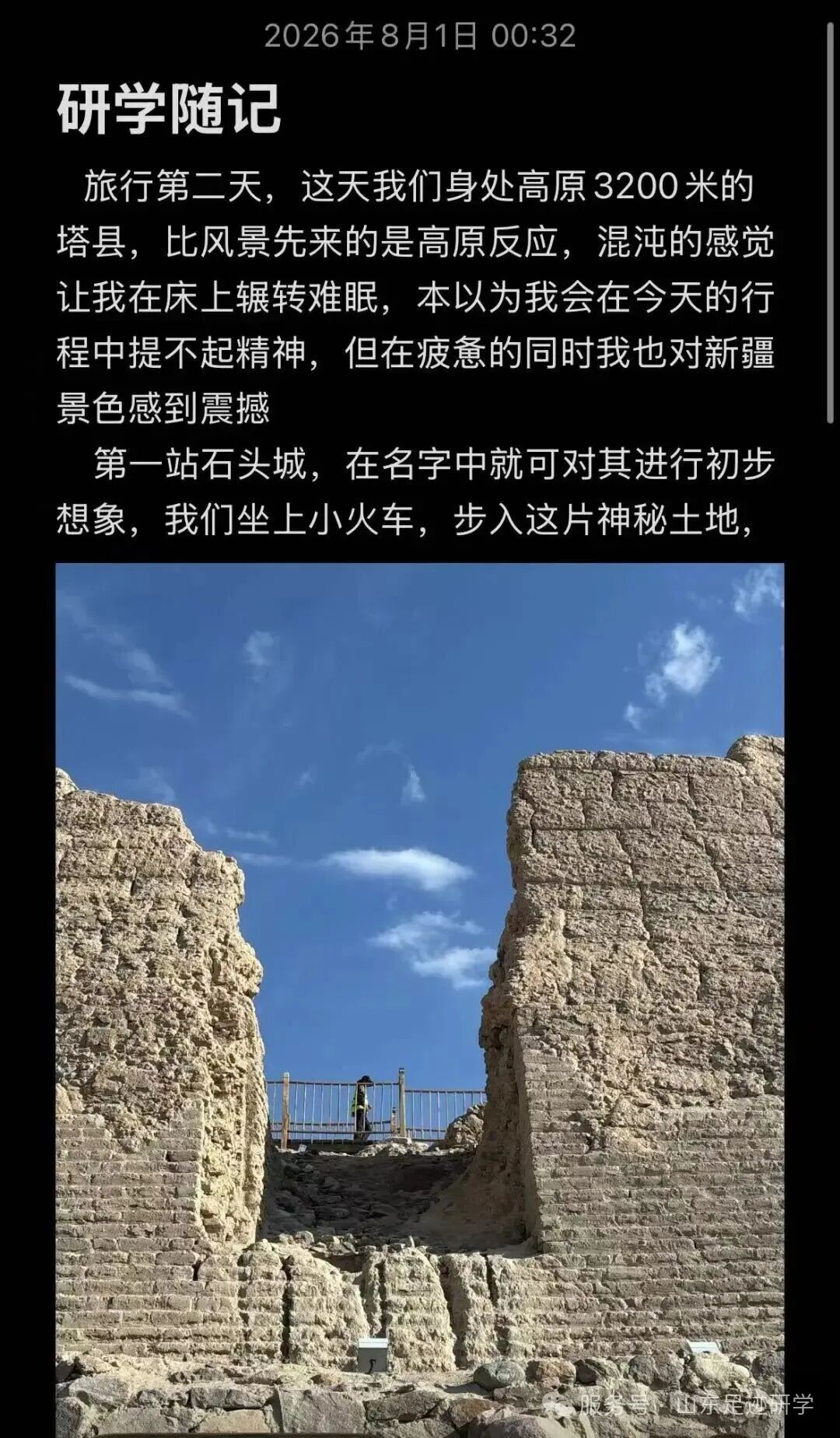
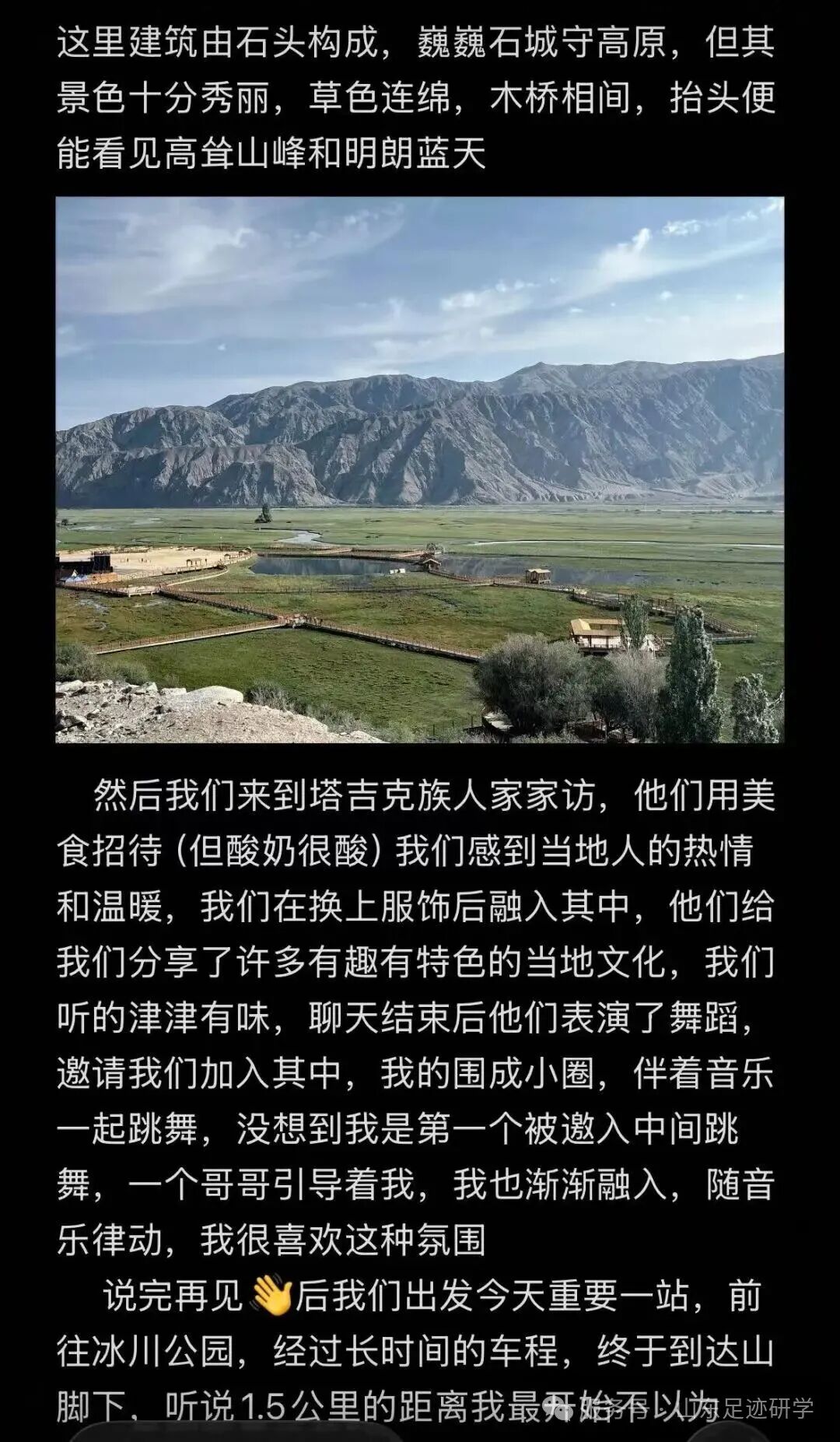
雪山下的石头城,背山靠水,行走在残垣断壁间,仍能想象这座王城辉煌时的模样,玄奘讲经台遗址,被一座现代台座补位,少煞风景;王城下的金草滩,在阳光下闪耀着波纹,这一望无际的湿地,自然是西域高原上难得的水草丰美之地,穿行于丝绸之路上的商队,这里自然是难得的歇脚之地了吧?
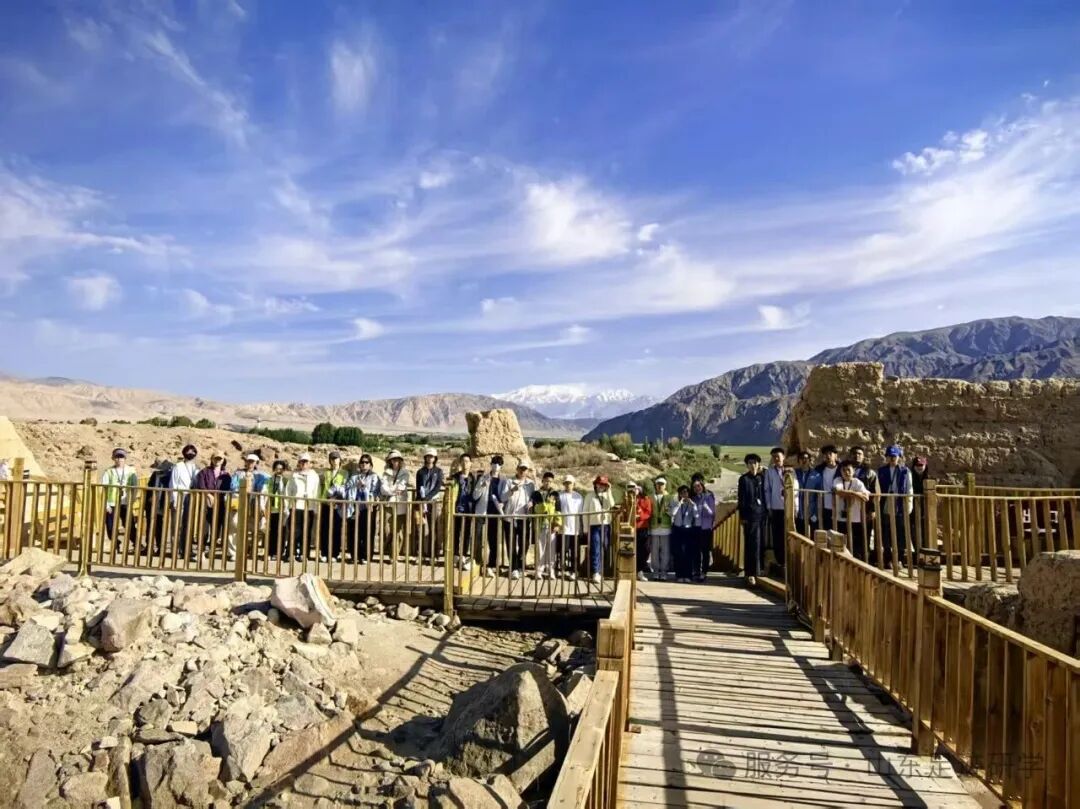
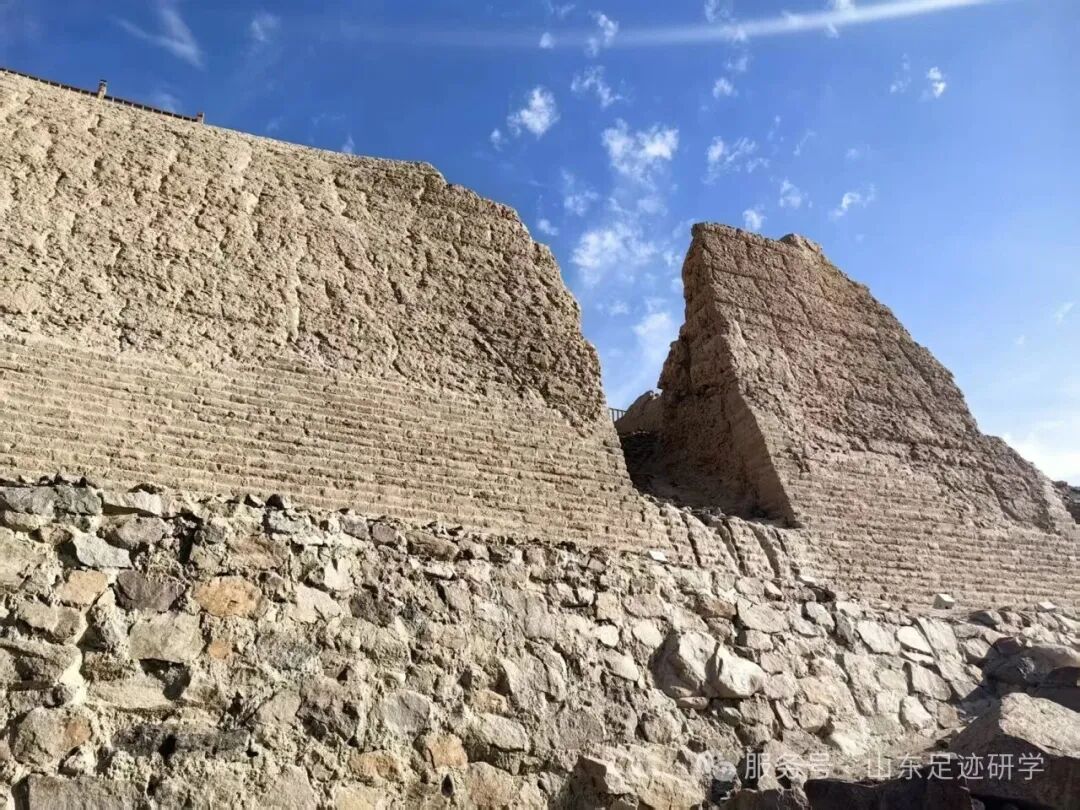
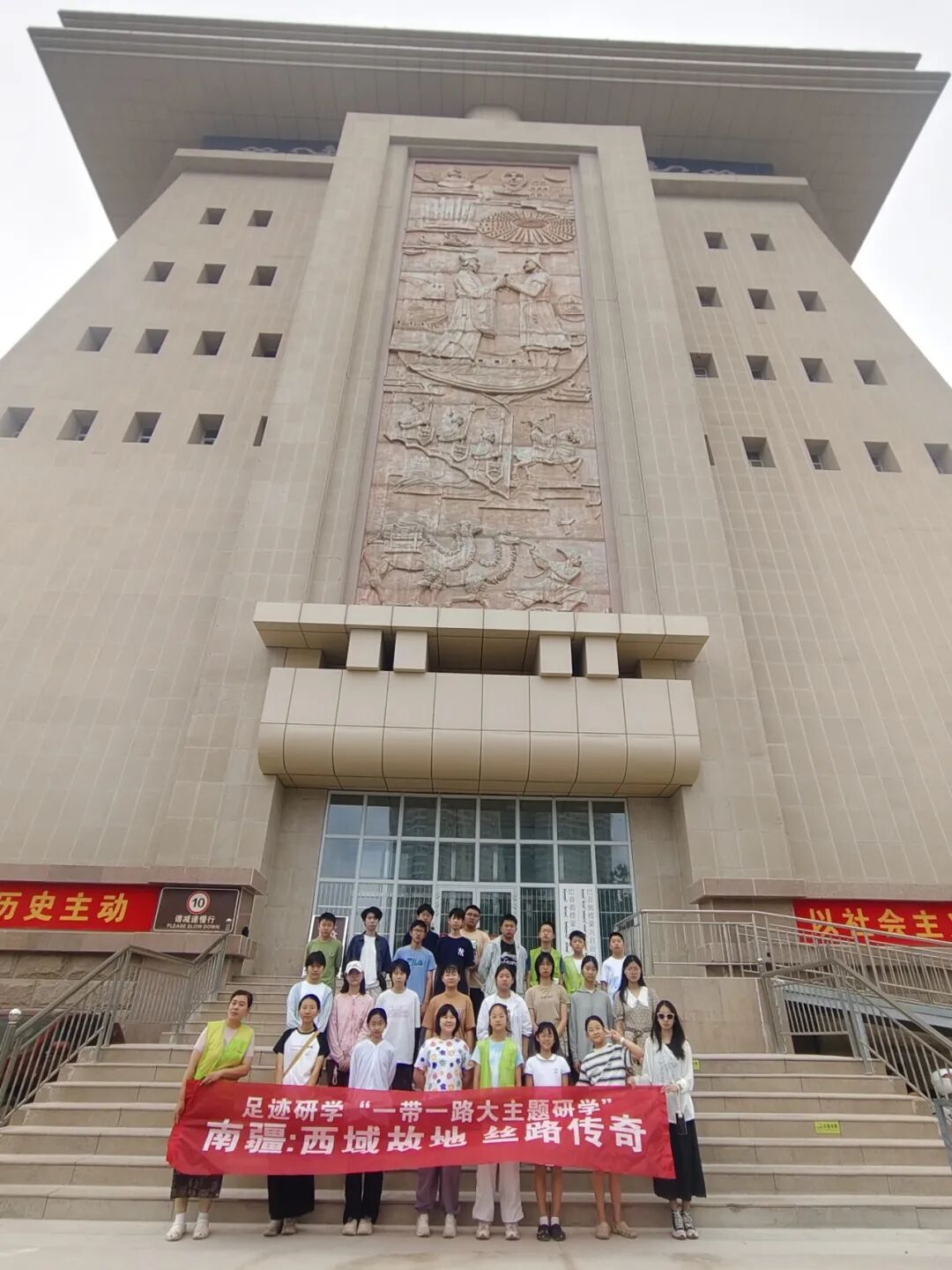
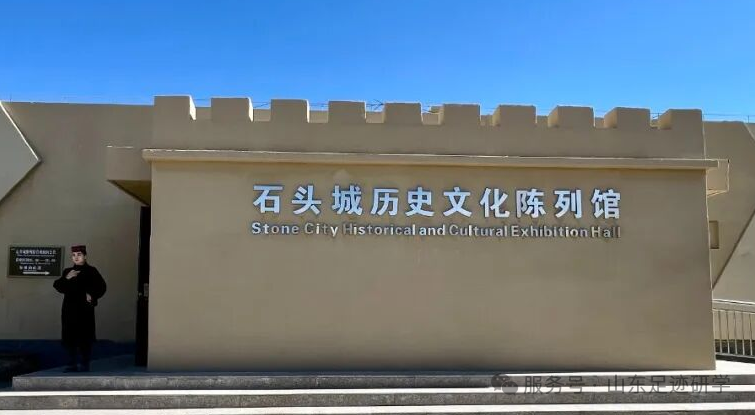
走进石头城历史文化陈列馆,先对这座王城的历史进行一番了解吧?
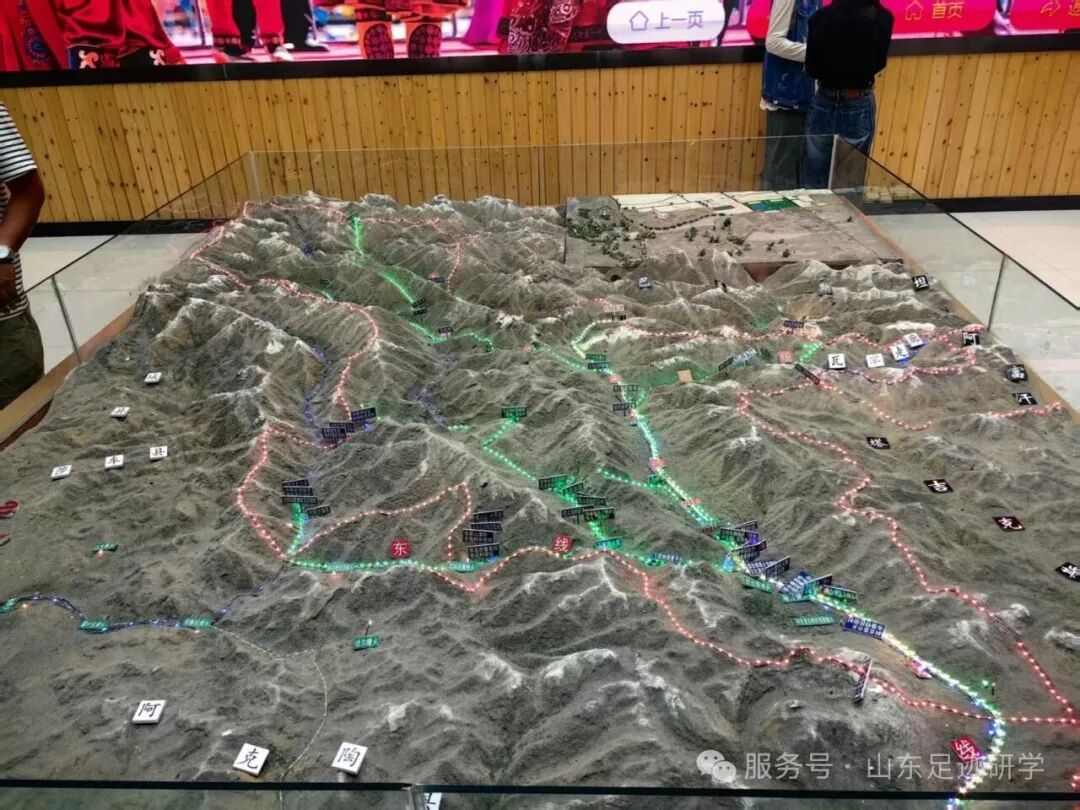
地接导游杨老师先给大家讲解了沙盘上:帕米尔群山阻隔,但石头城所在河谷拥有难得的绿洲草场,冰川融水形成宜居的湿地。
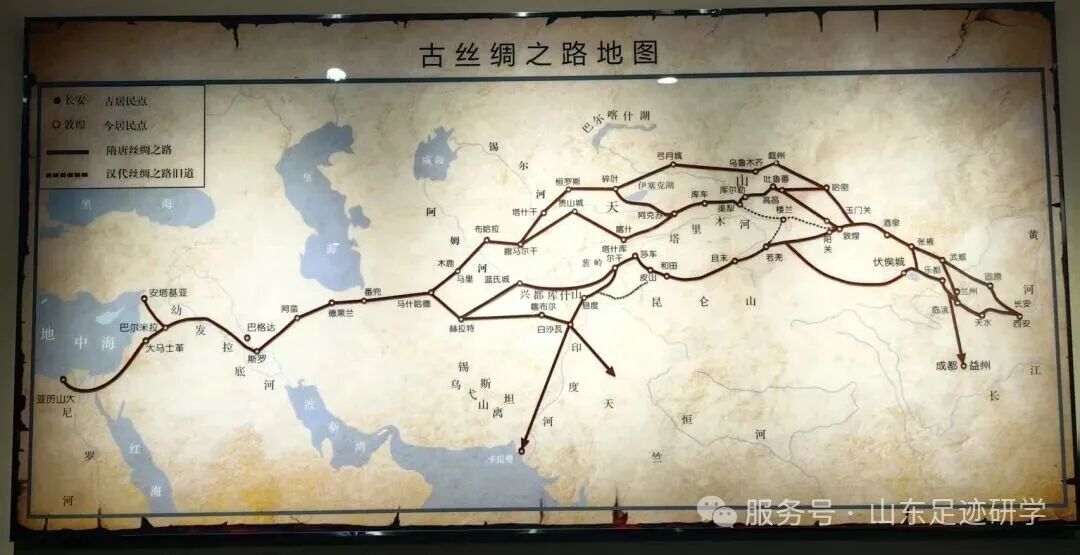
东西方商旅、文明在此相遇:中原丝绸、茶叶西去;玉石、香料、佛教文化向东传播。法显、玄奘等求法僧人,无数使团都在此驻足。
塔什库尔干石头城,就是四大文明交汇的高原十字路口。
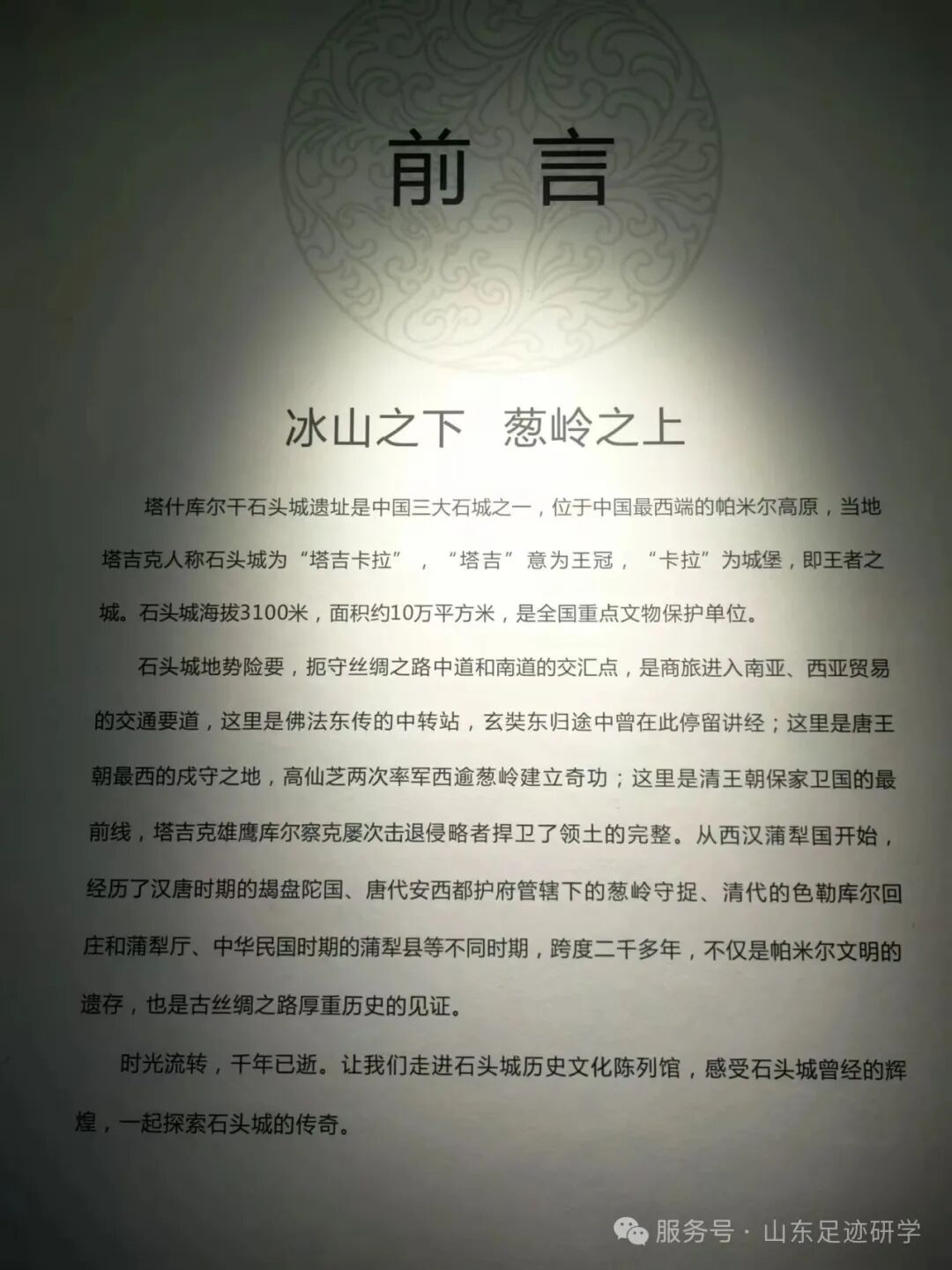
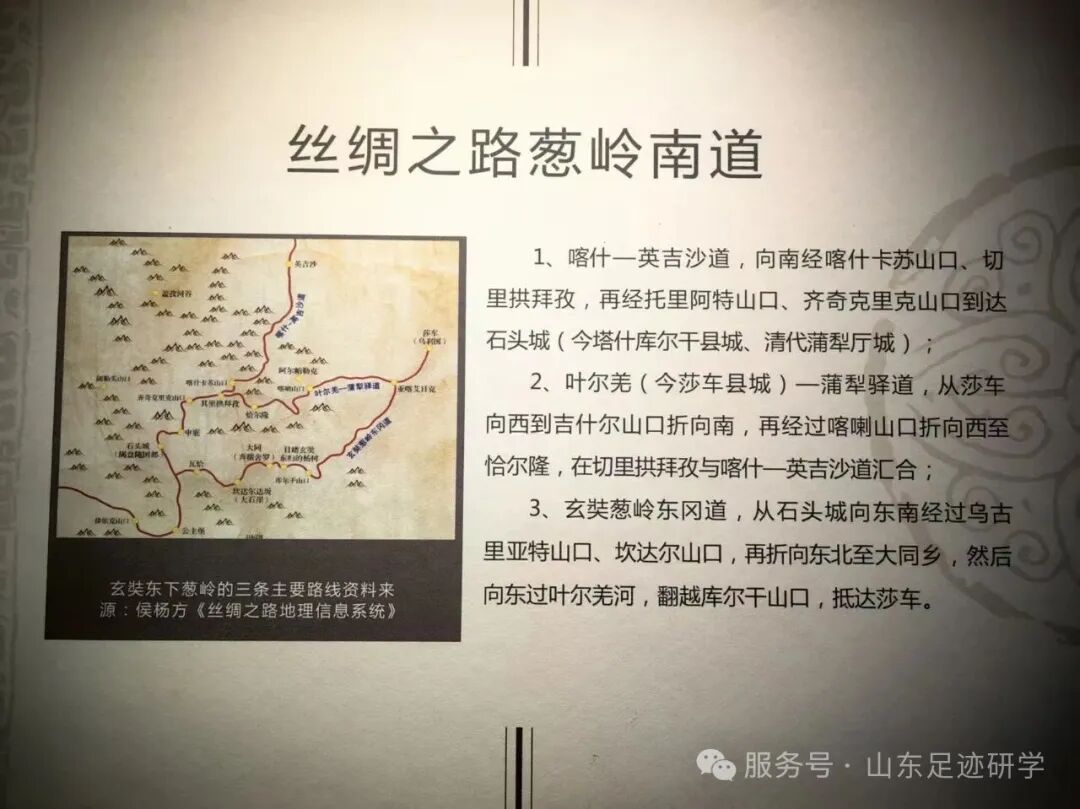
冰山之下 ,葱岭之上,塔吉克人称石头城为“塔吉卡拉”,"塔吉”意为王冠,“卡拉”为城堡,即王者之城。
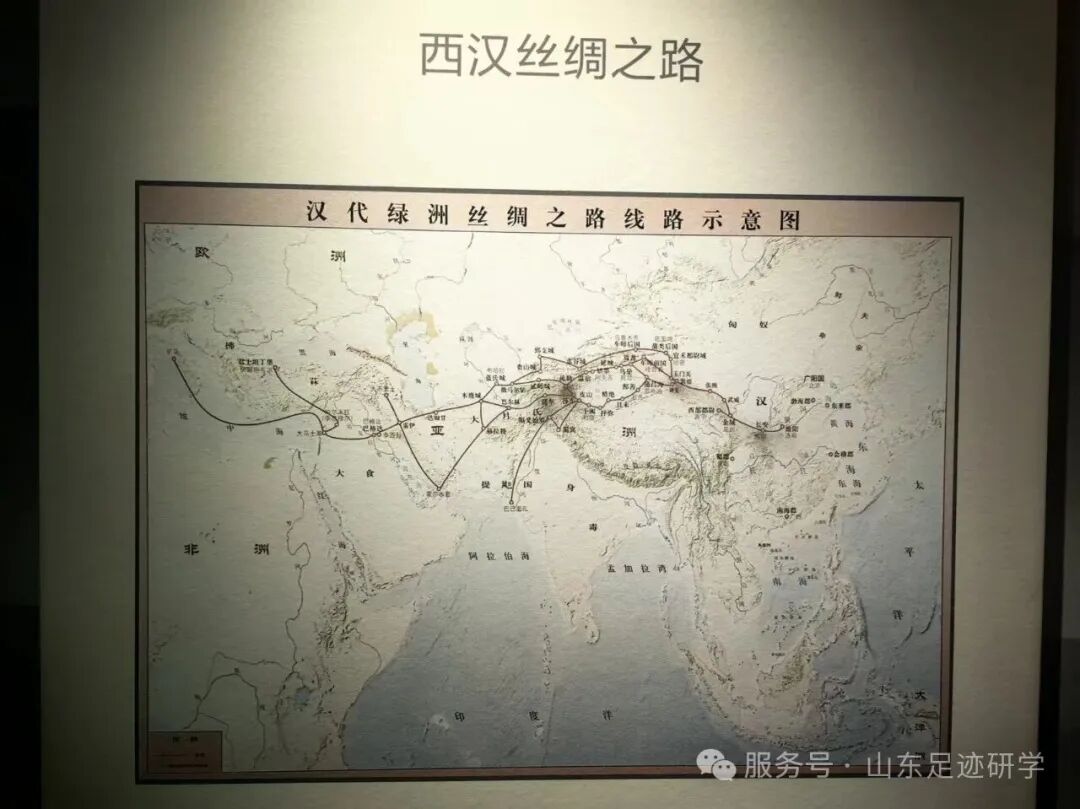
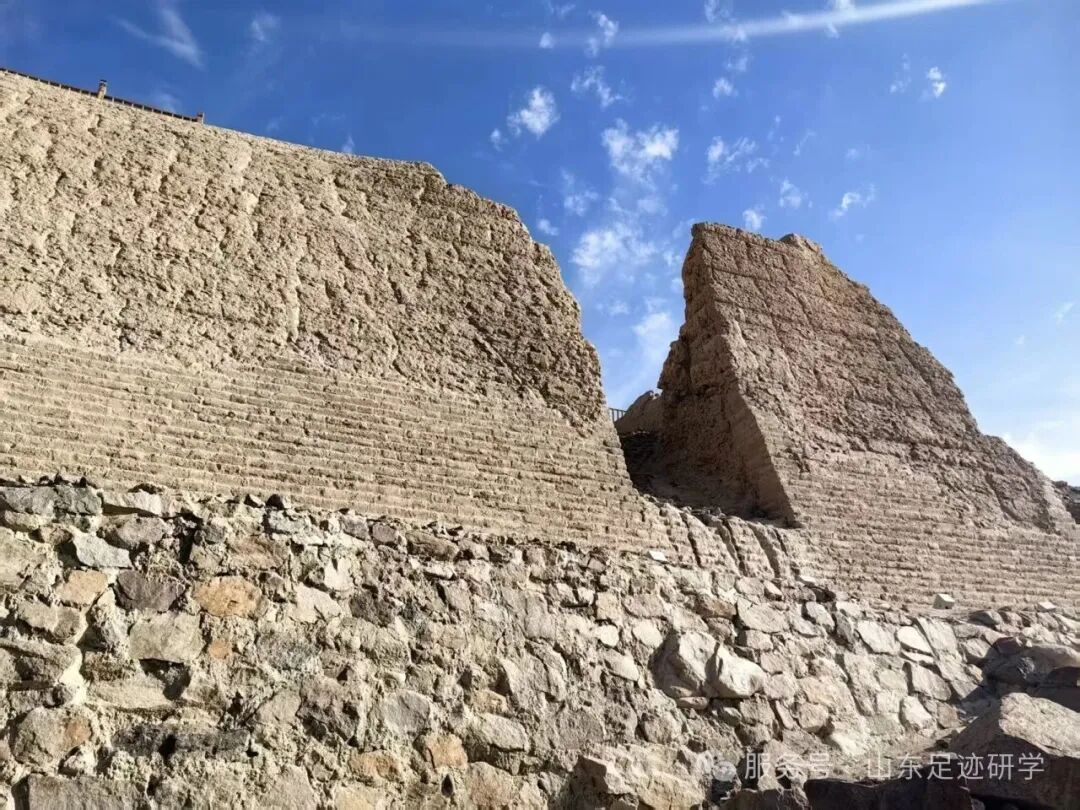
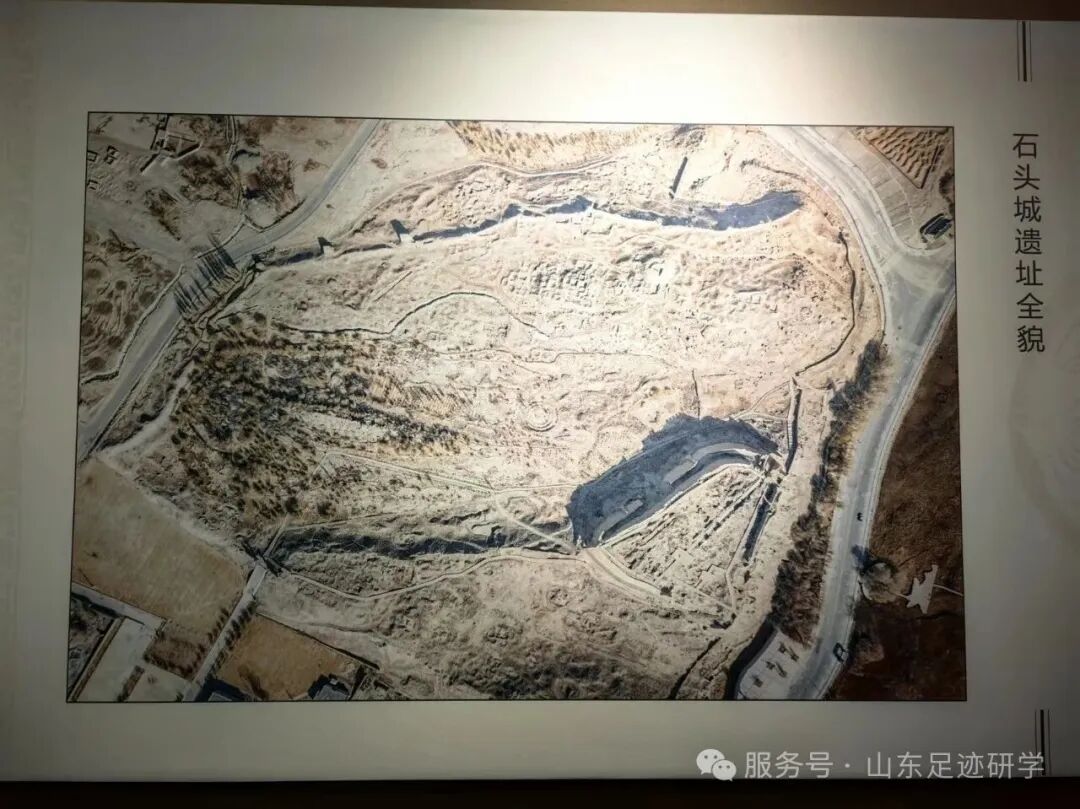
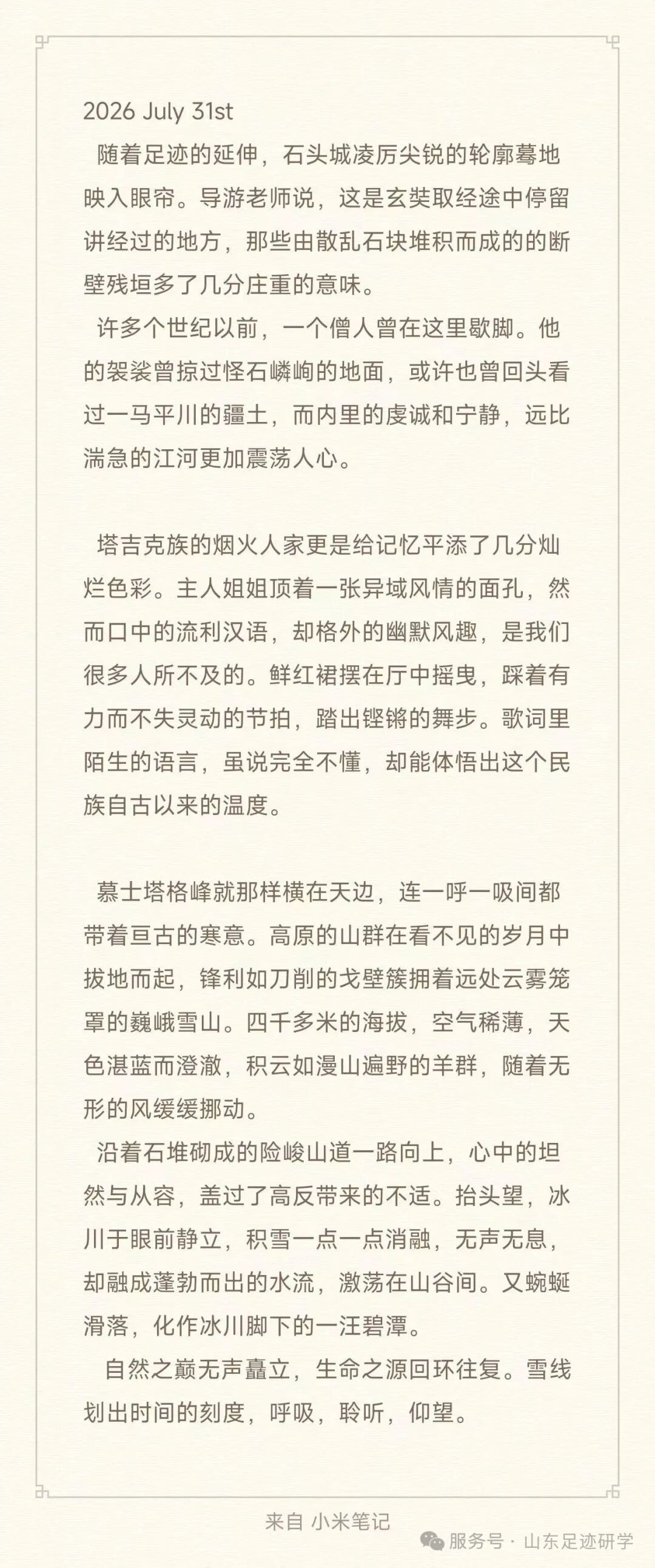
石头城地势险要,扼守丝绸之路中道和南道的交汇点,是商旅进入南亚、西亚贸易的交通要道。玄奘东归途中曾在此停留讲经,这里也是唐王朝最西的戍守之地、清王朝保家卫国的最前线,从西汉蒲犁国开始,经历了汉唐时期的揭盘陀国、唐代安西都护府管辖下的葱岭守捉、清代的色勒库尔回庄和蒲犁厅、中华民国时期的蒲犁县等不同时期,跨度二千多年,不仅是帕米尔文明的遗存,也是古丝绸之路厚重历史的见证。
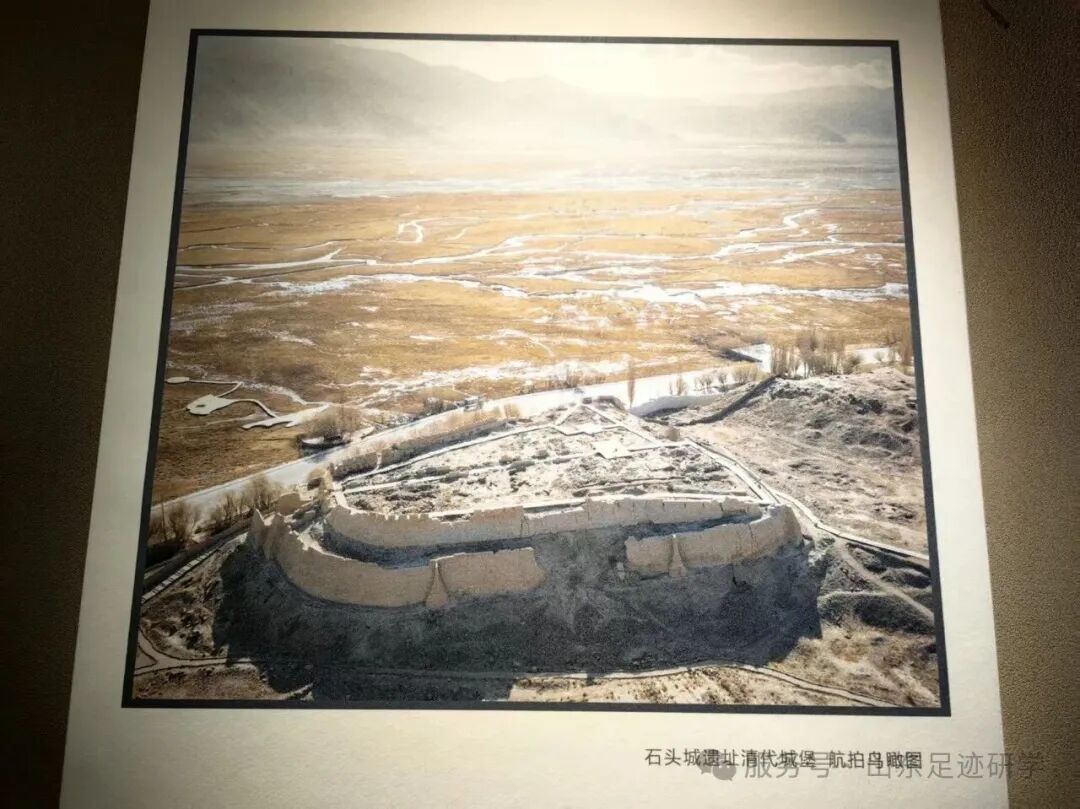
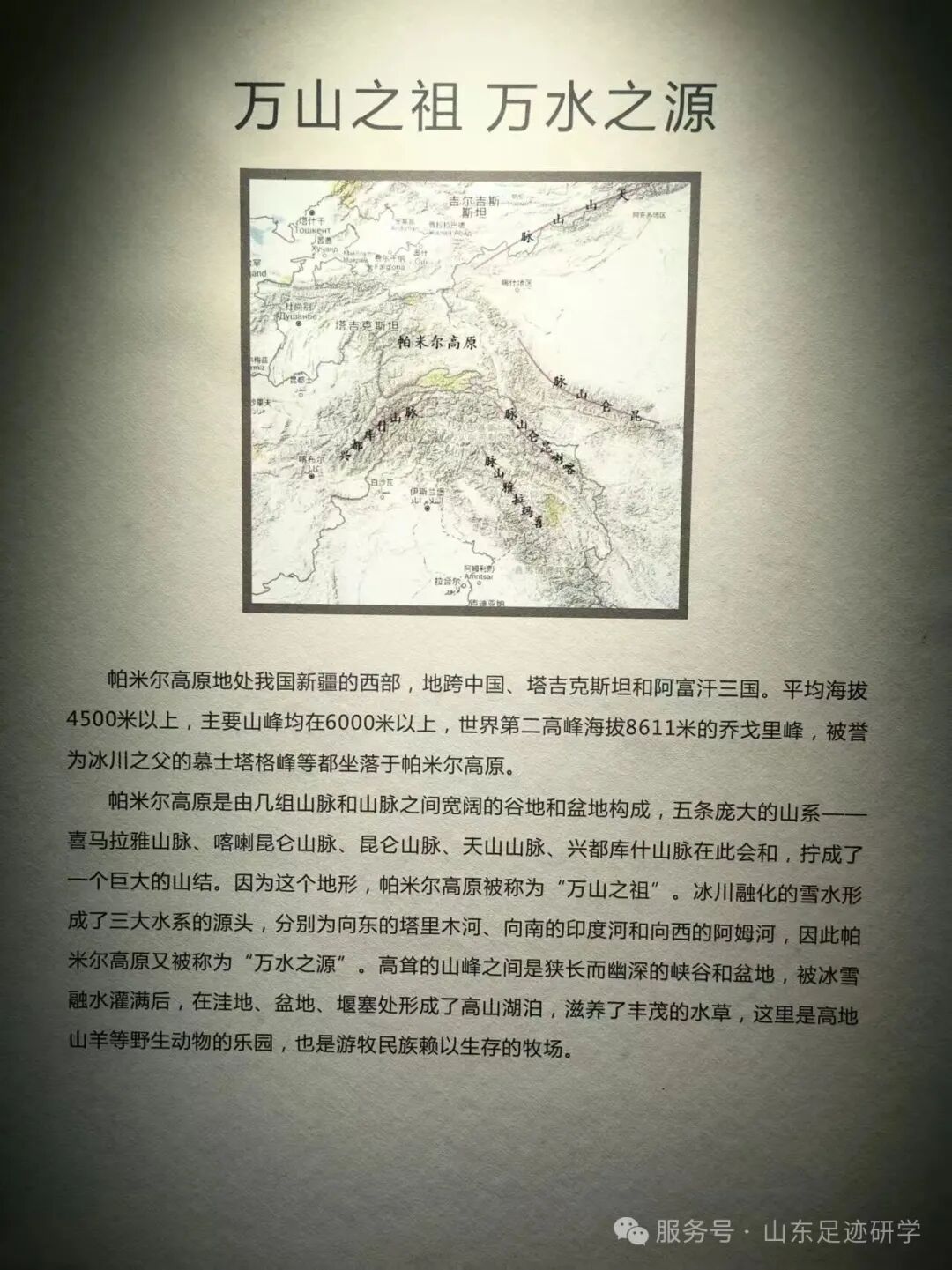
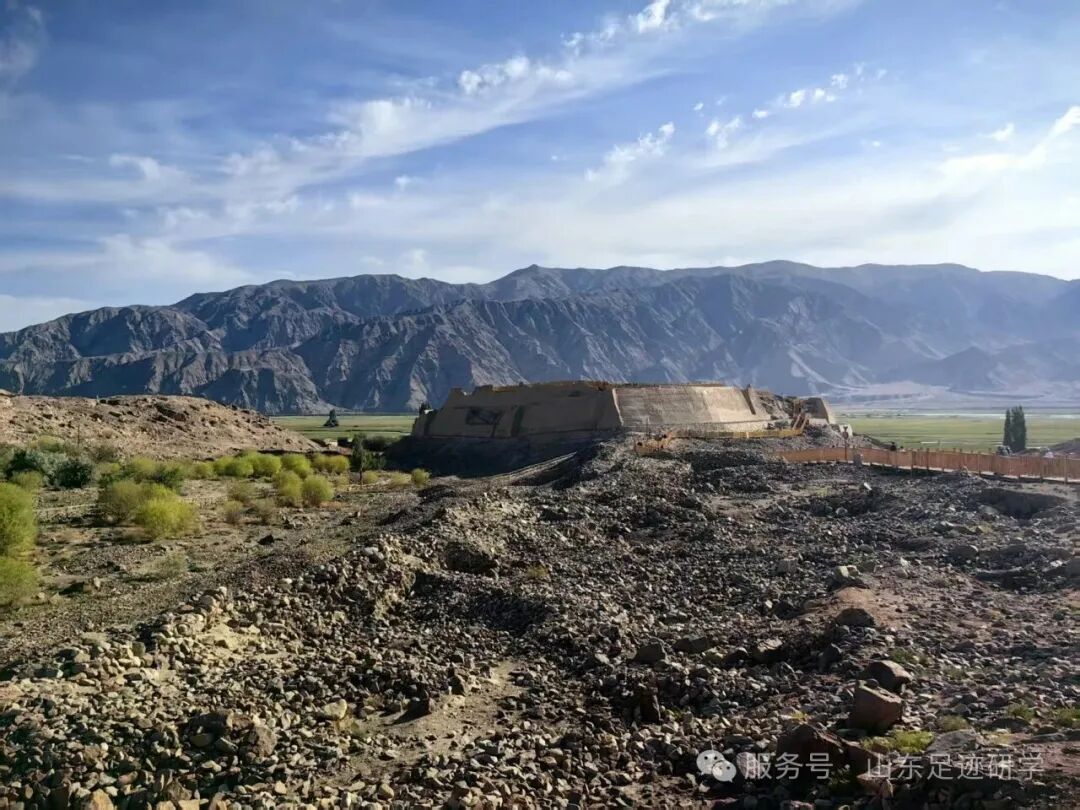
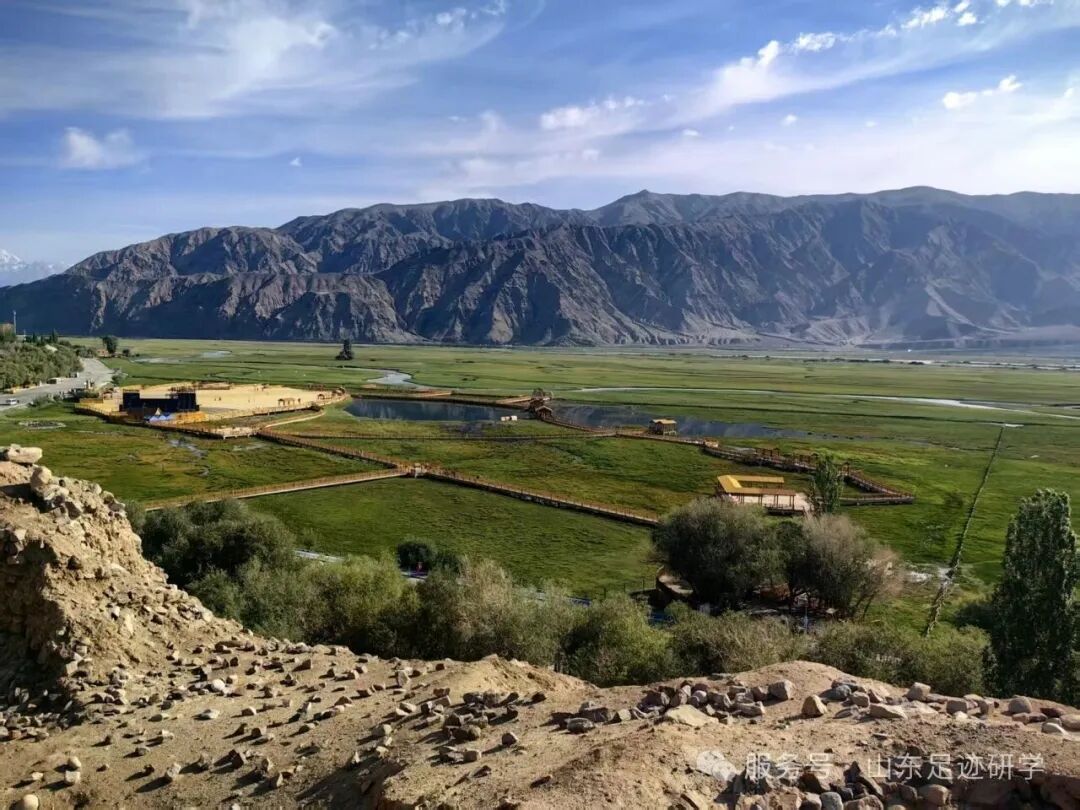
穿行在金草滩的木栈道上,吹着山谷里的风,畅想一下古丝绸之路上的人声鼎沸吧?

02. 塔吉克族家访

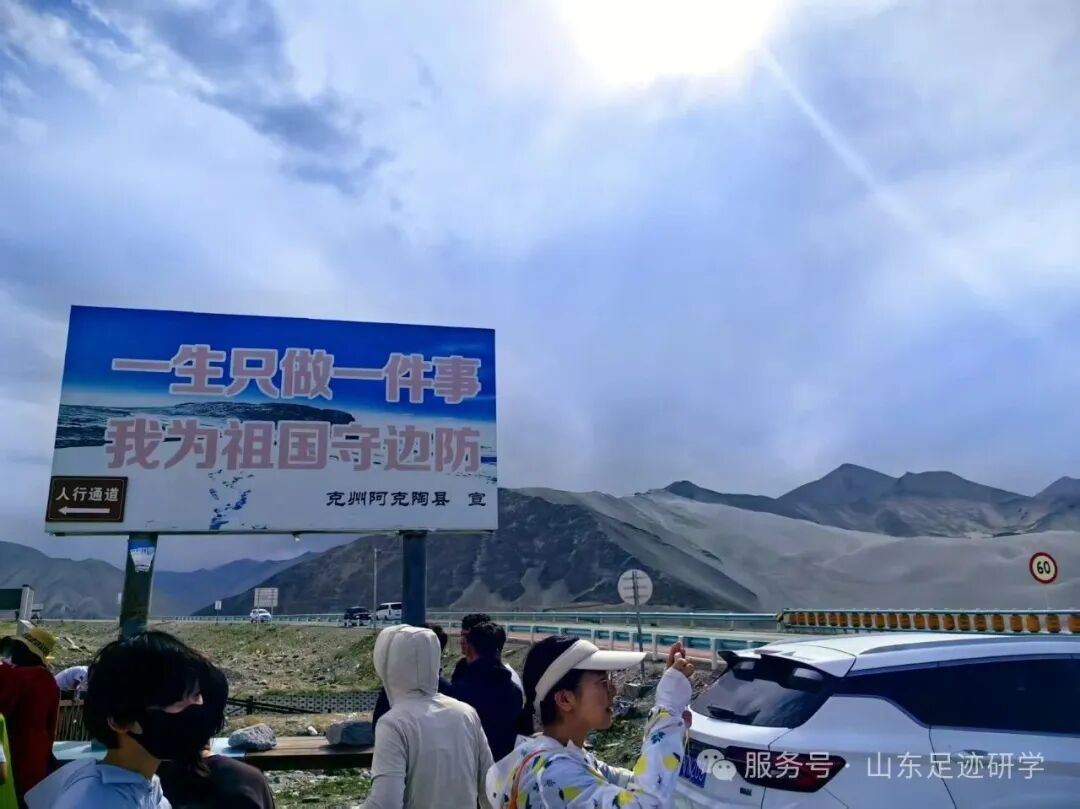
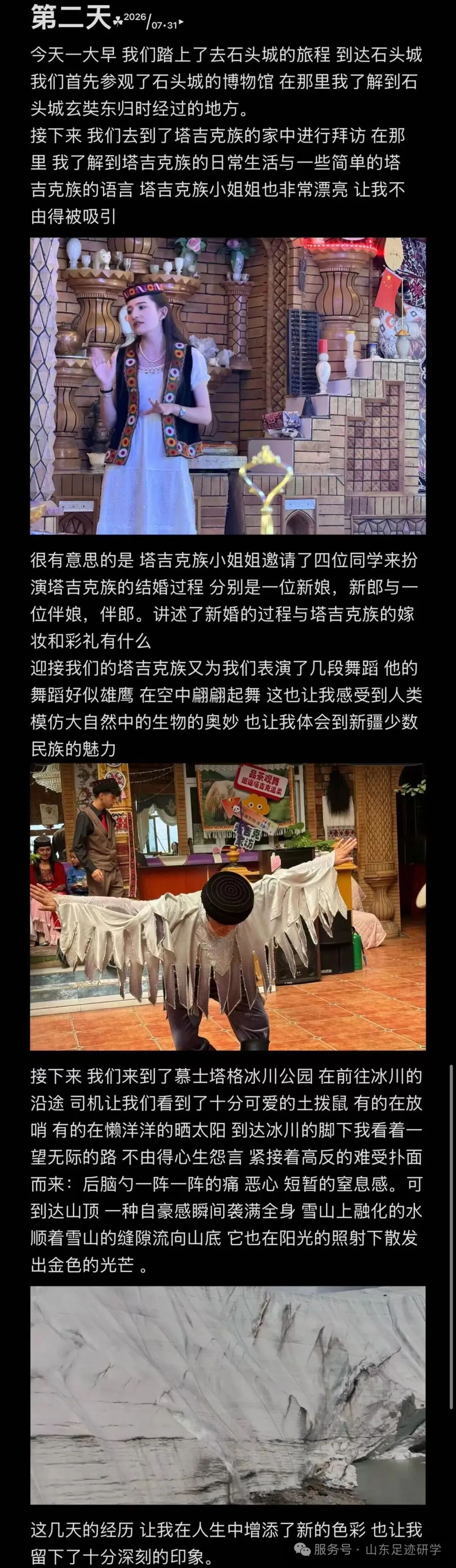
“一生只做一件事,我为祖国守边防”,今天在塔吉克族人家的家访活动,让同学们对塔吉克族的历史、传统、文化、艺术等,都有了深入了解。
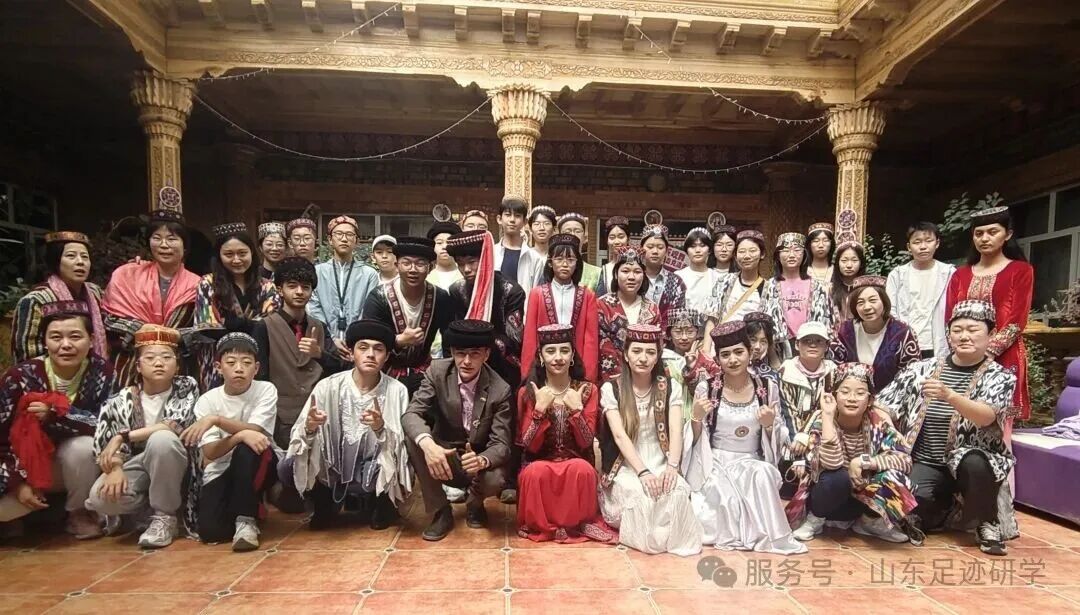
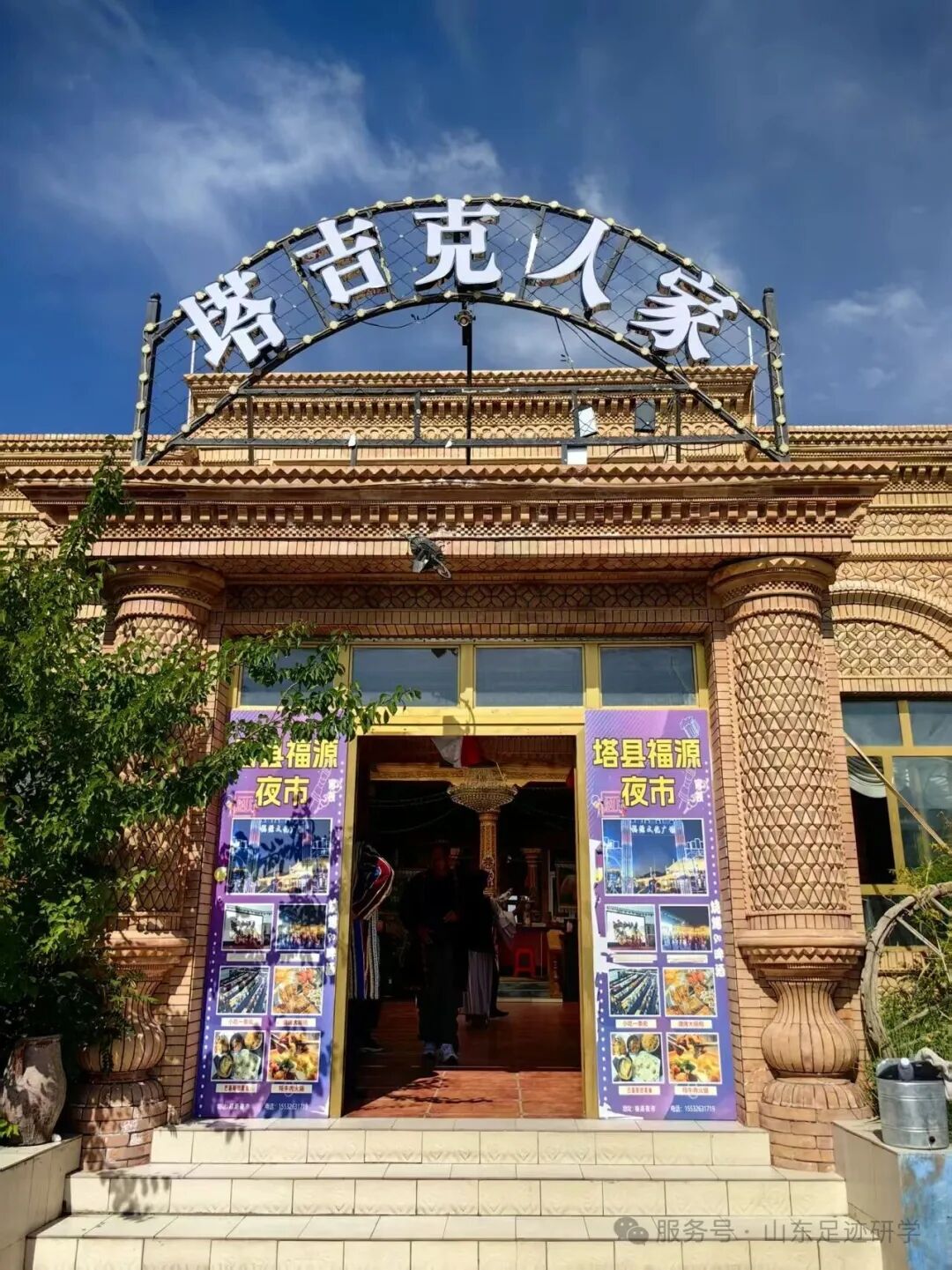
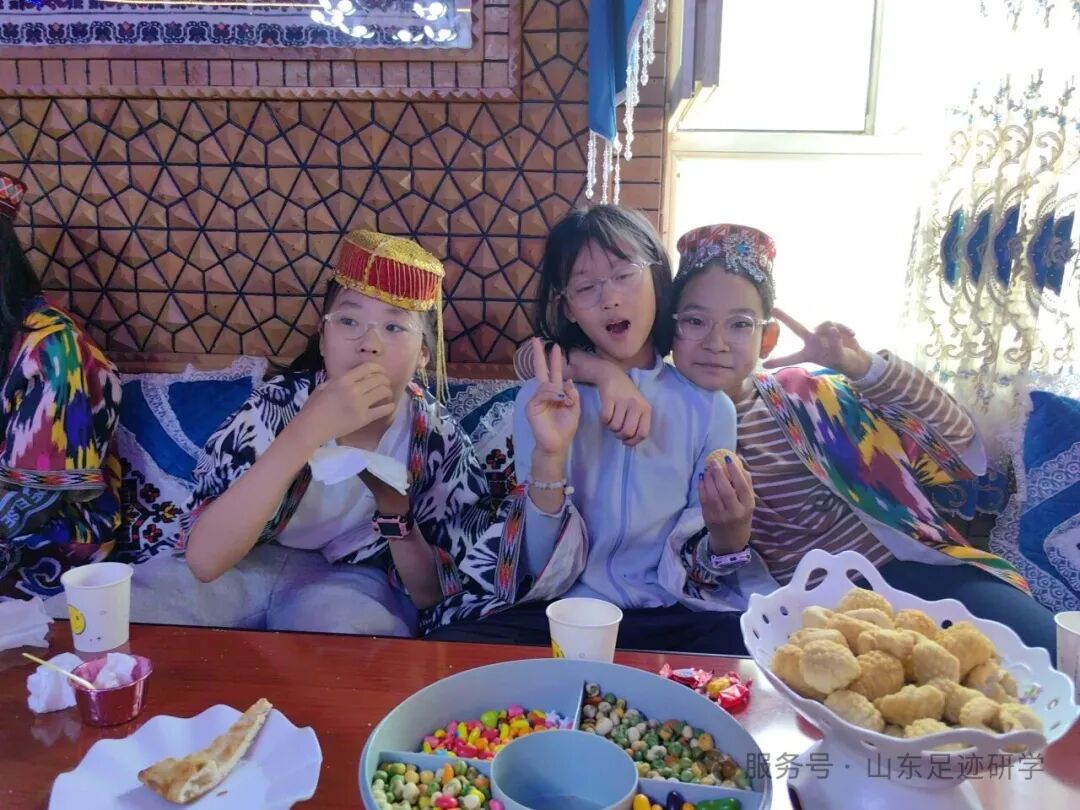
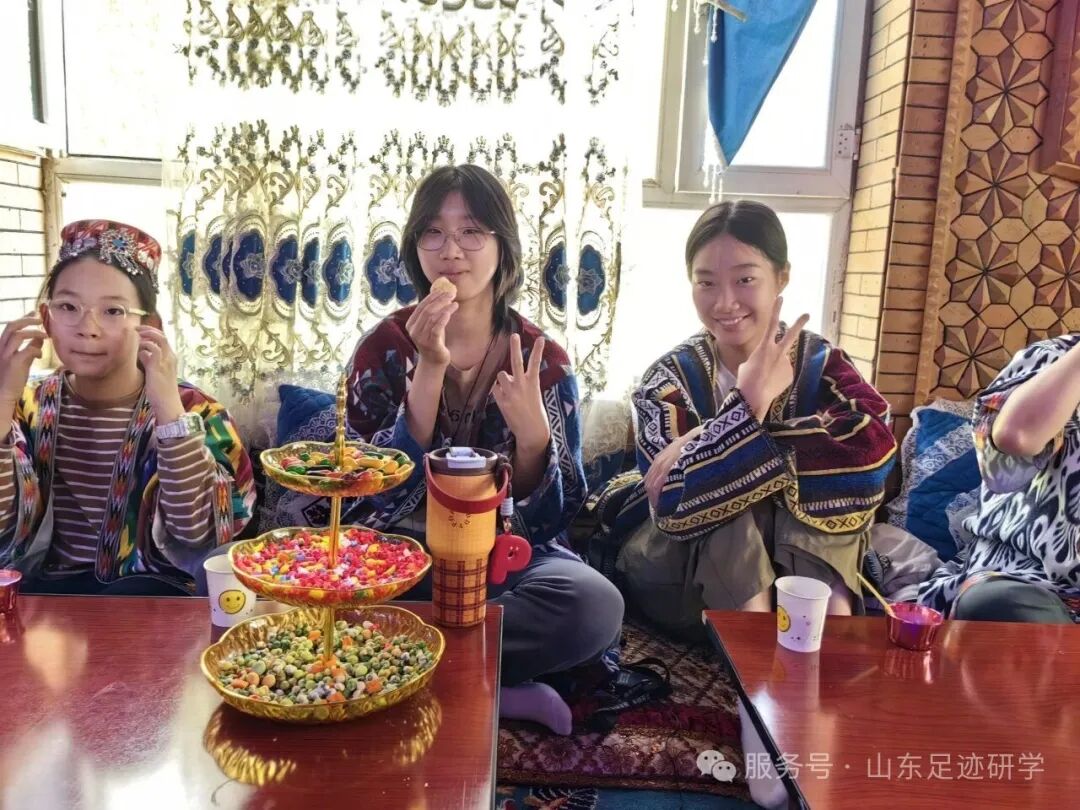
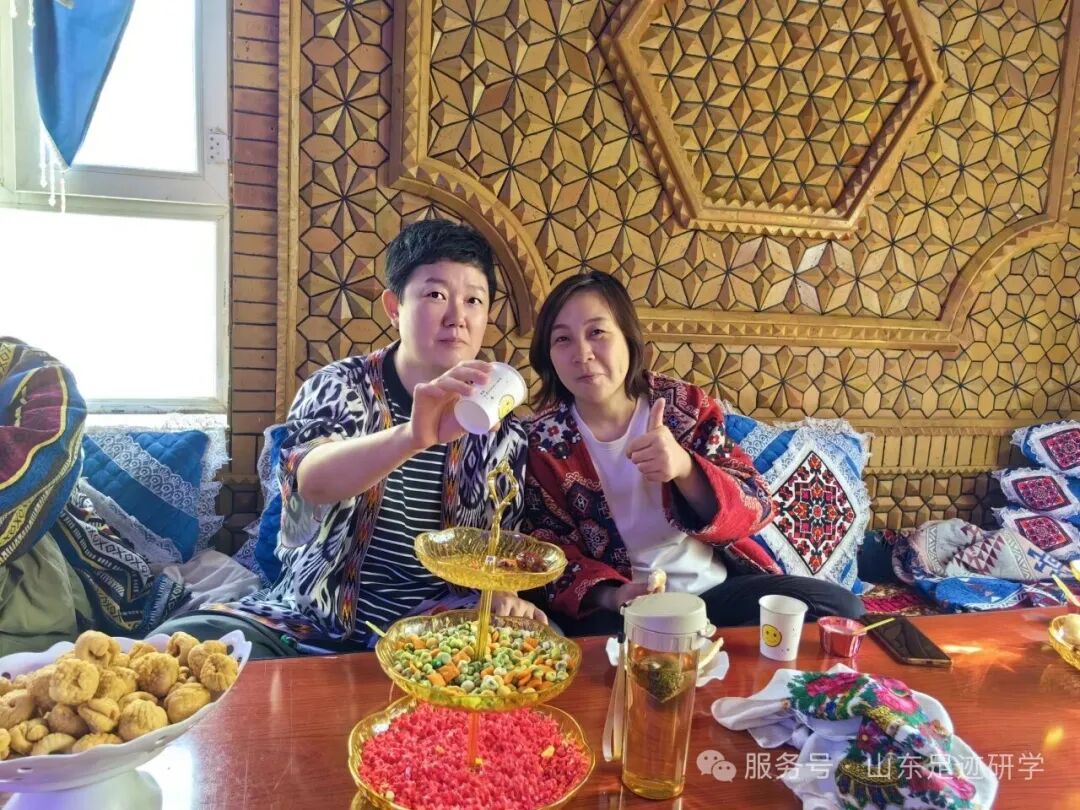
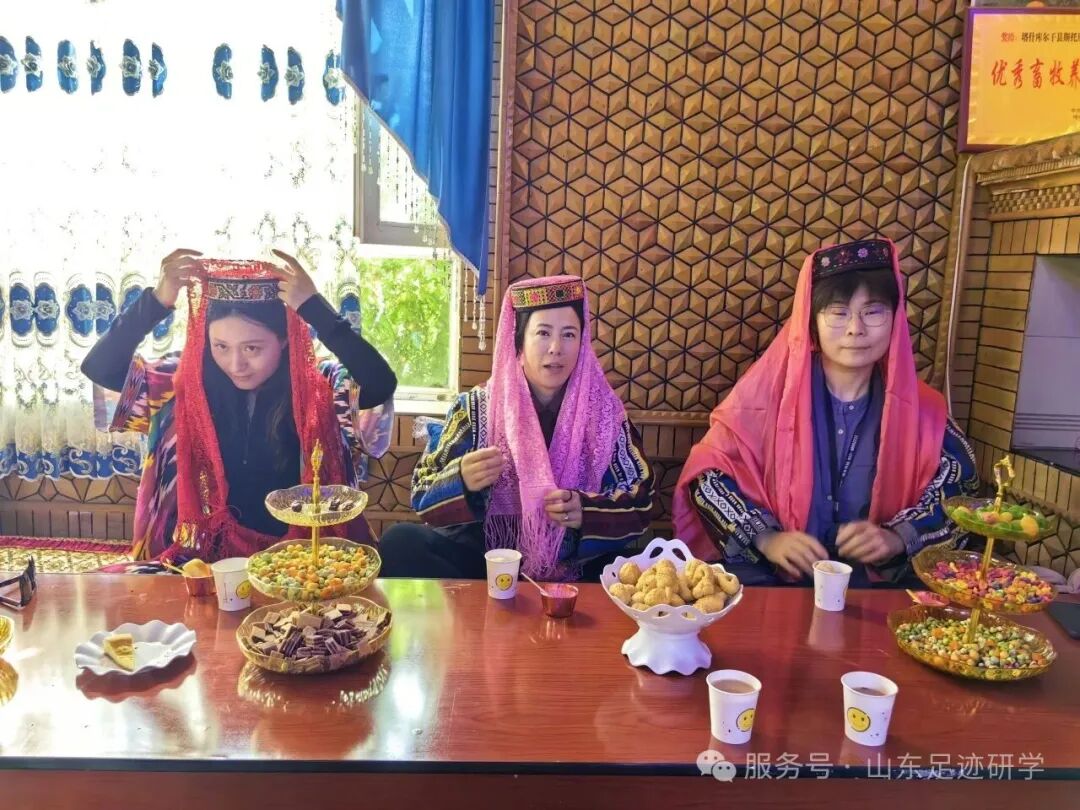

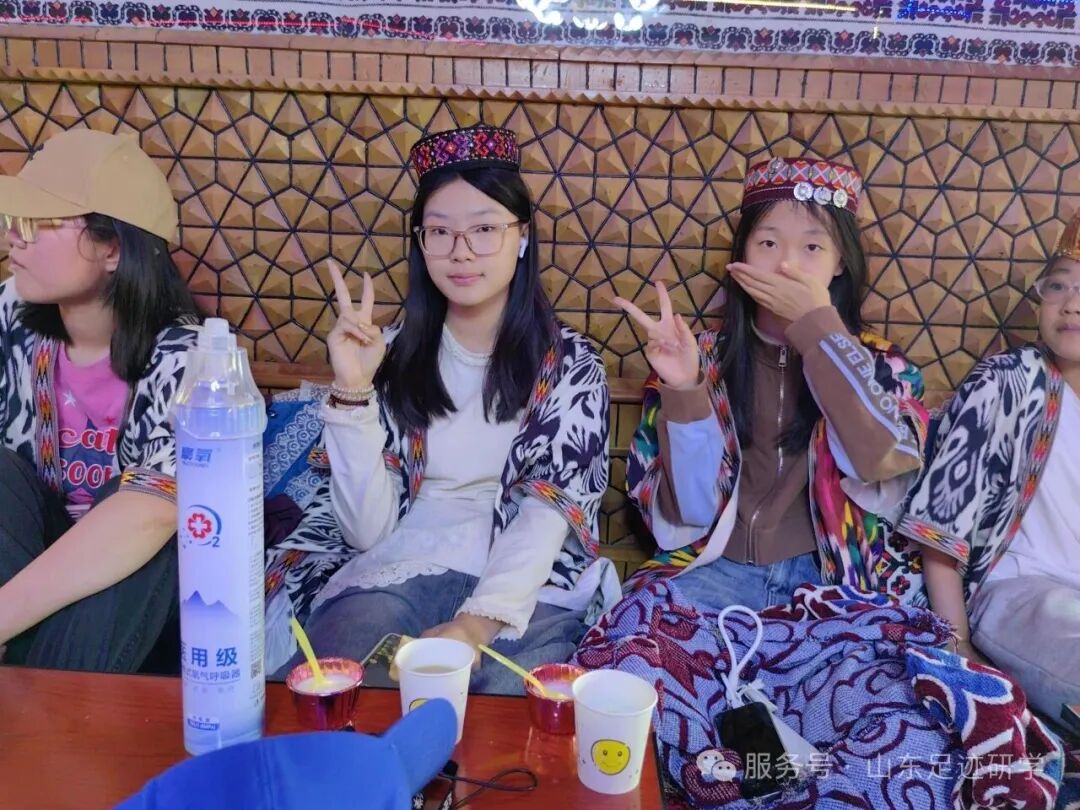
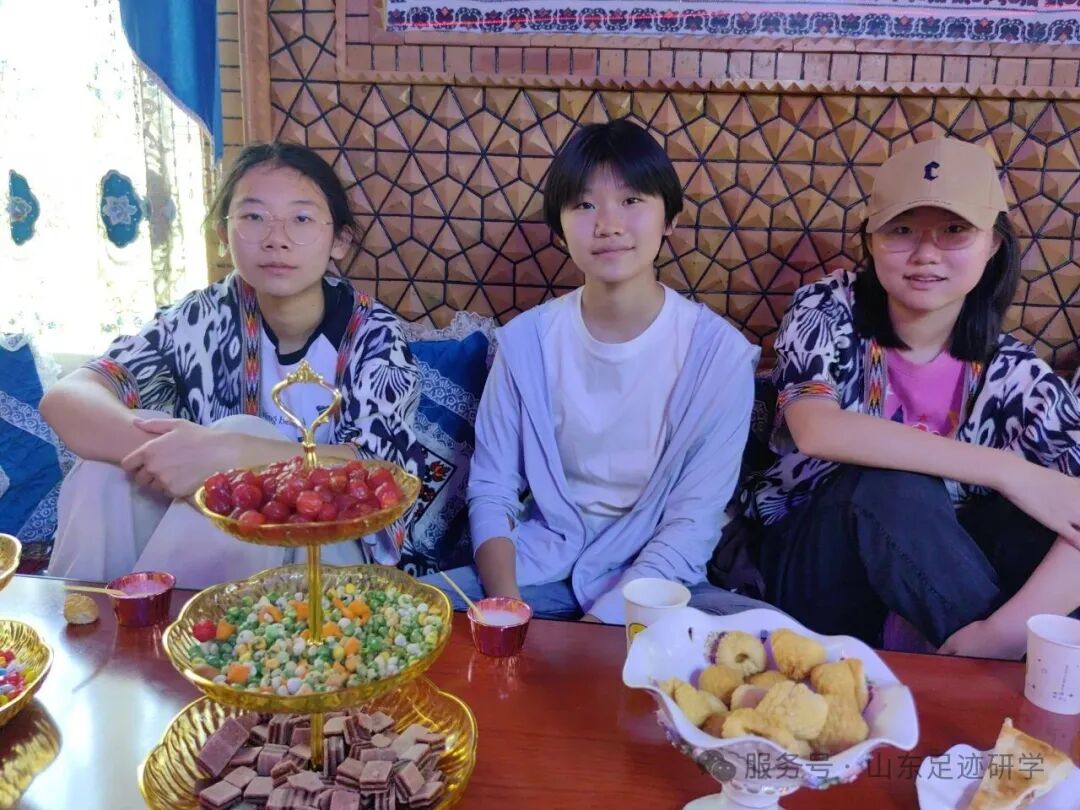
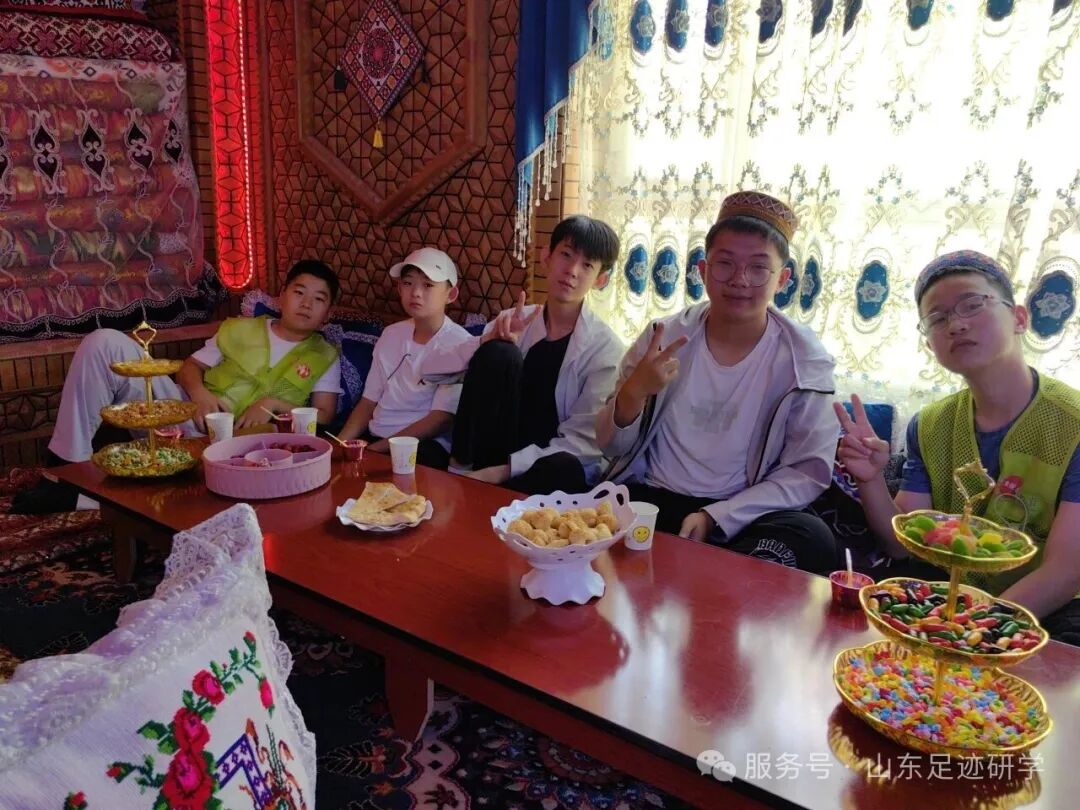
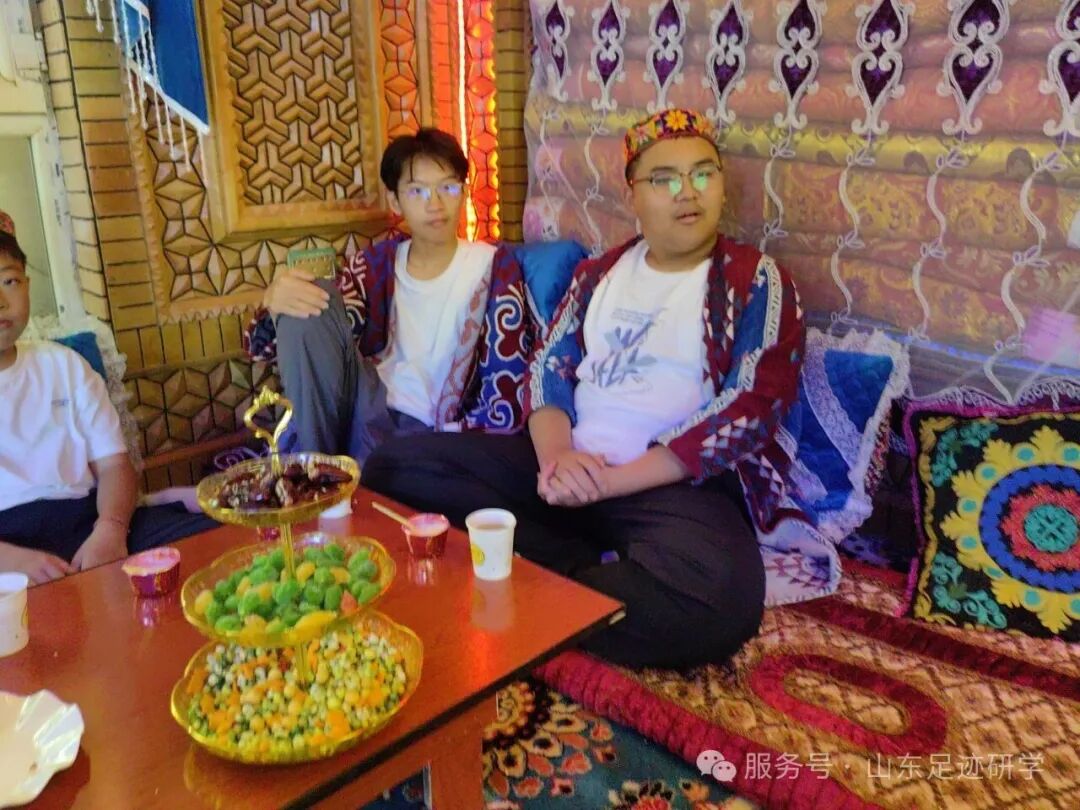
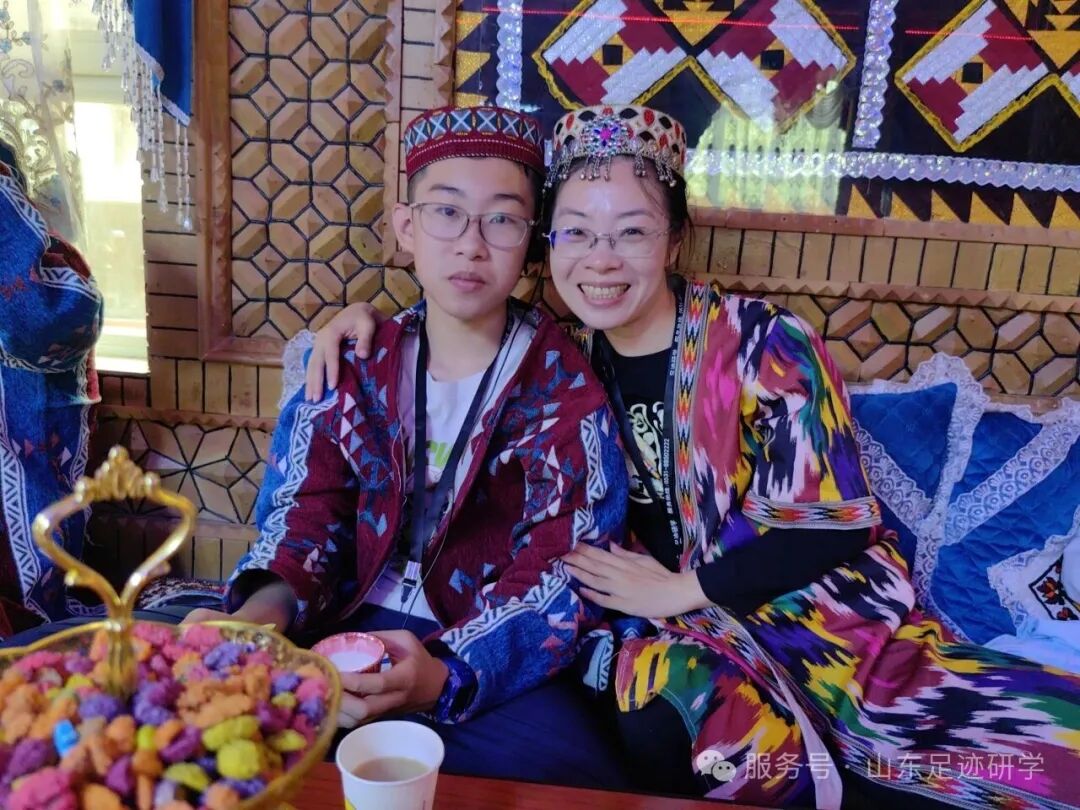
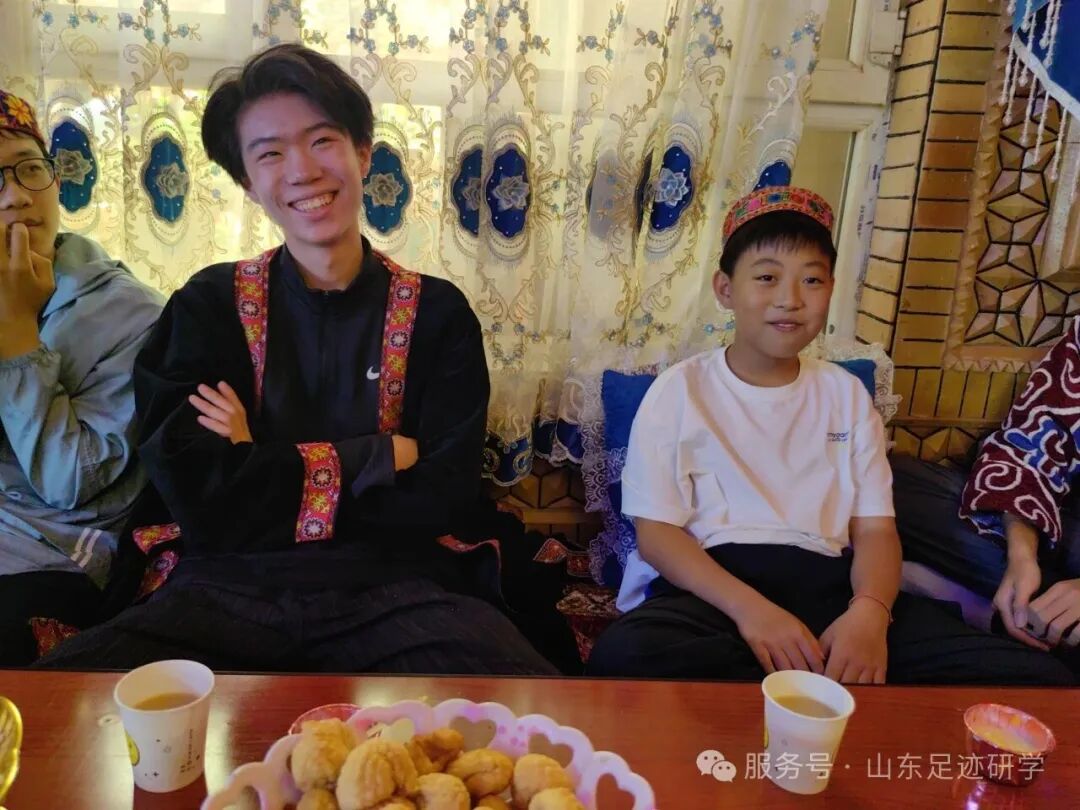

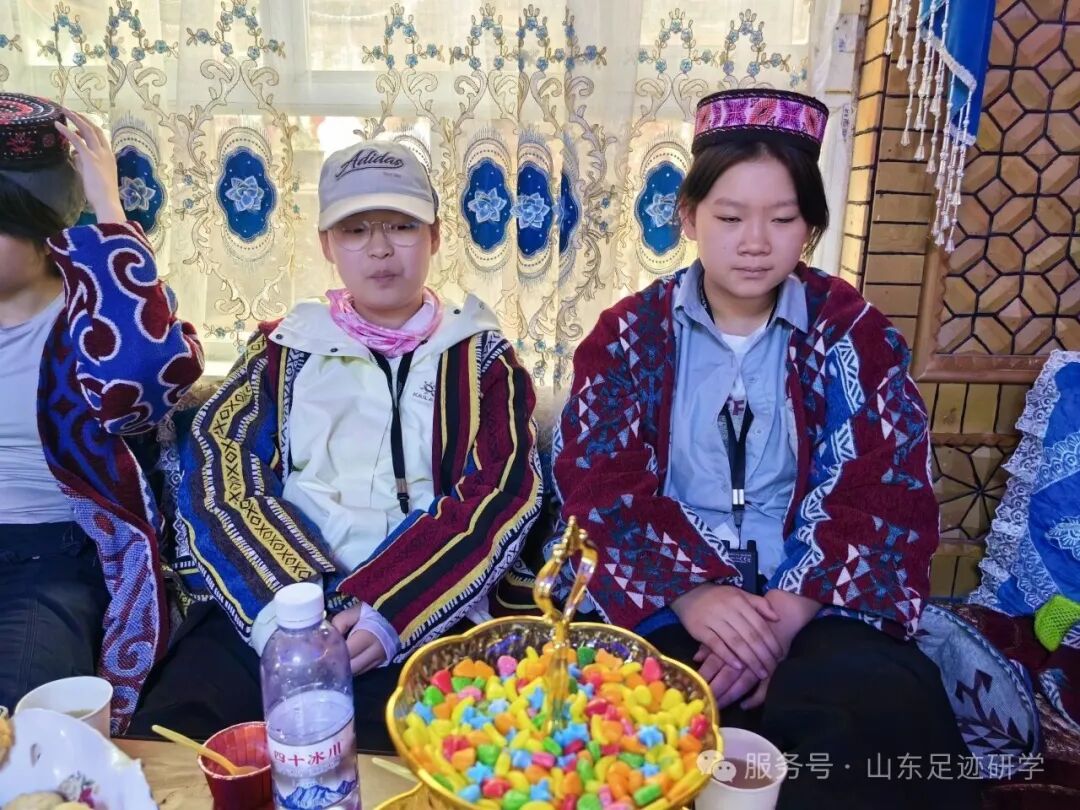
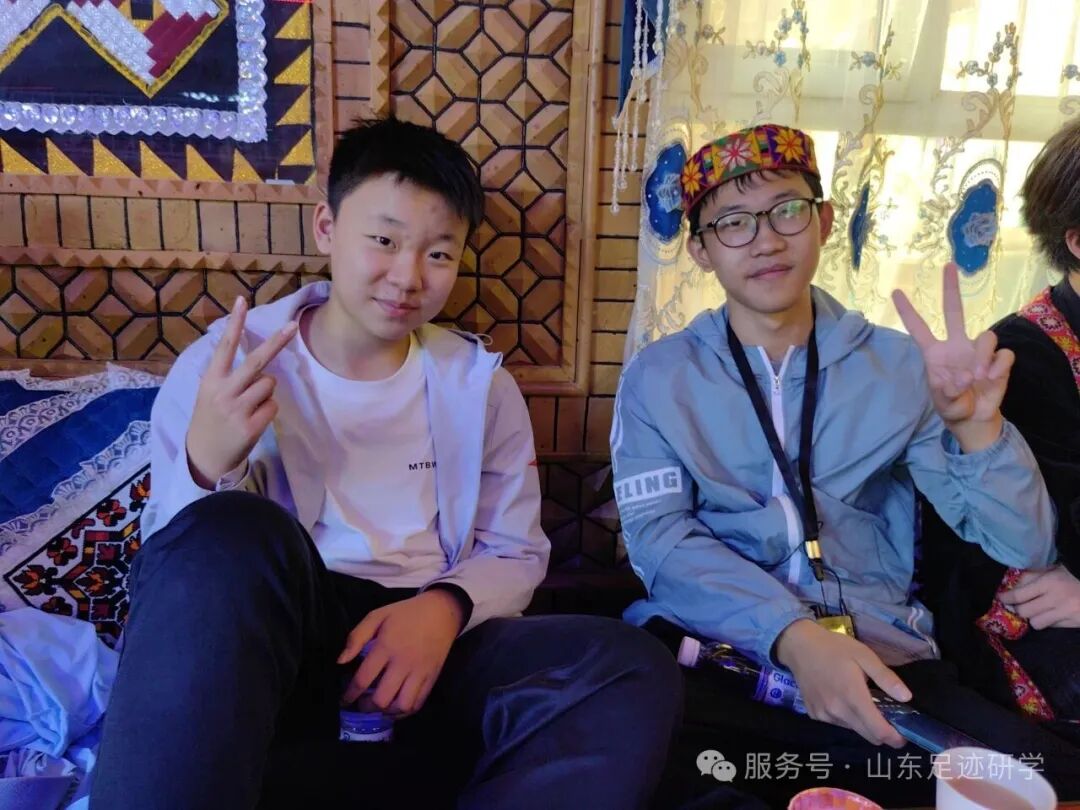
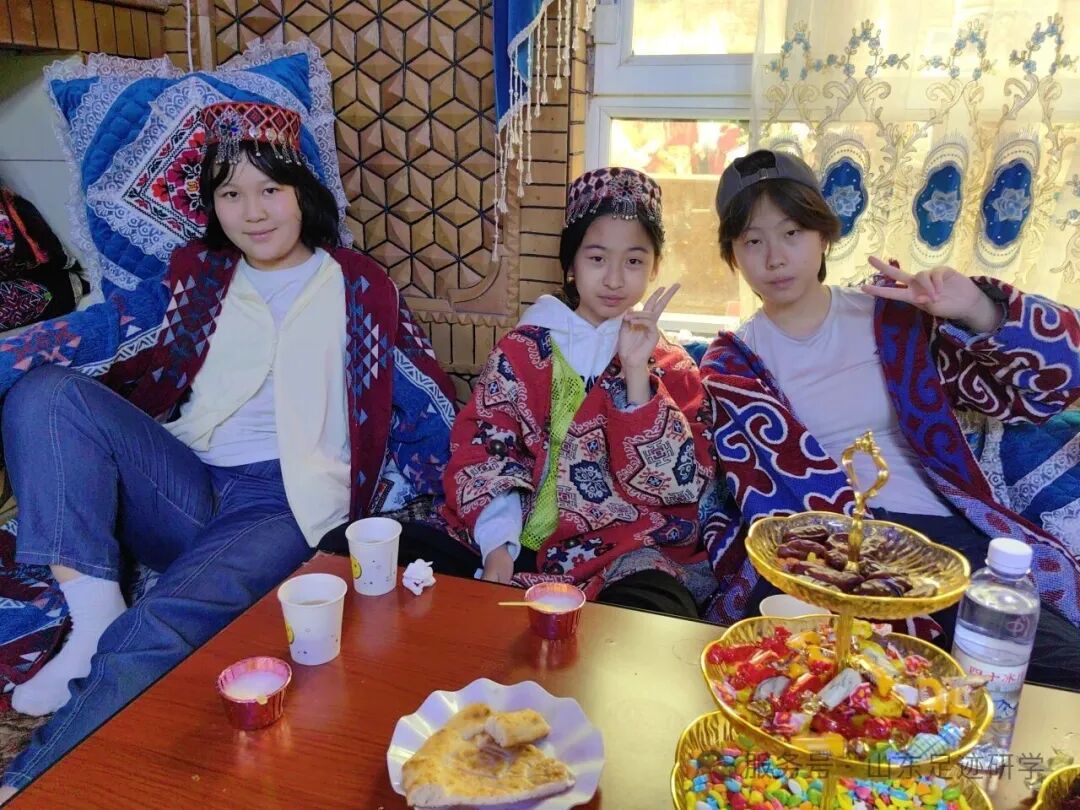
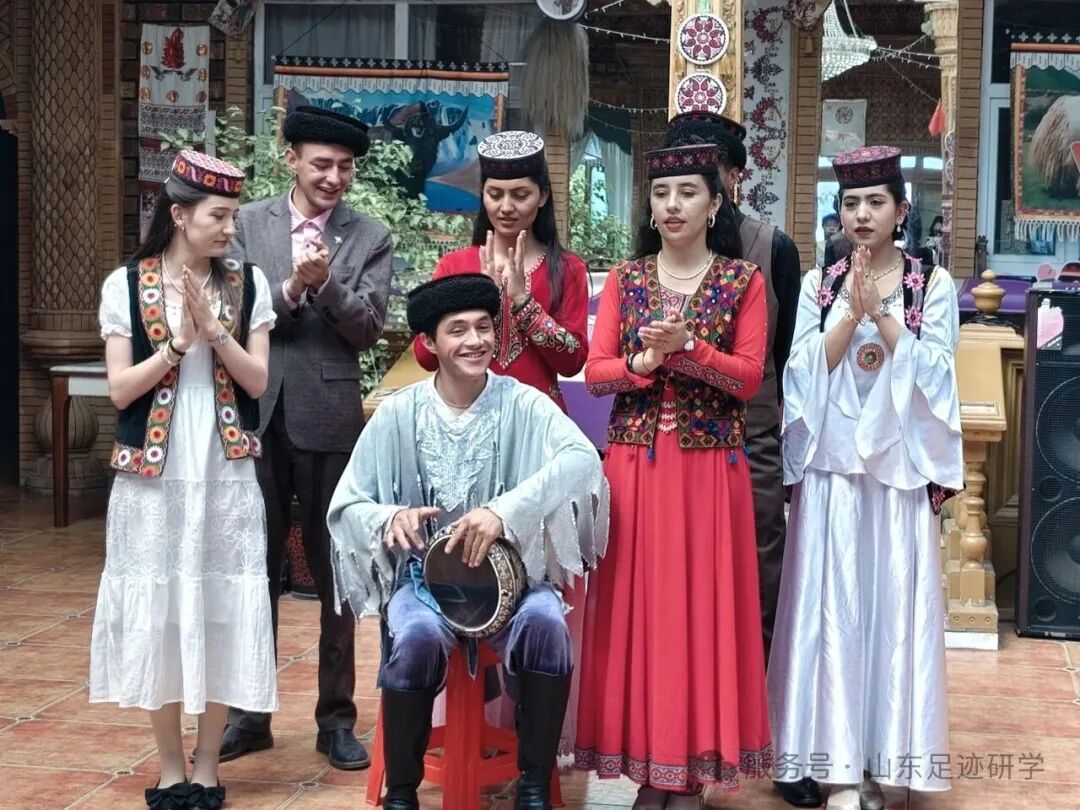
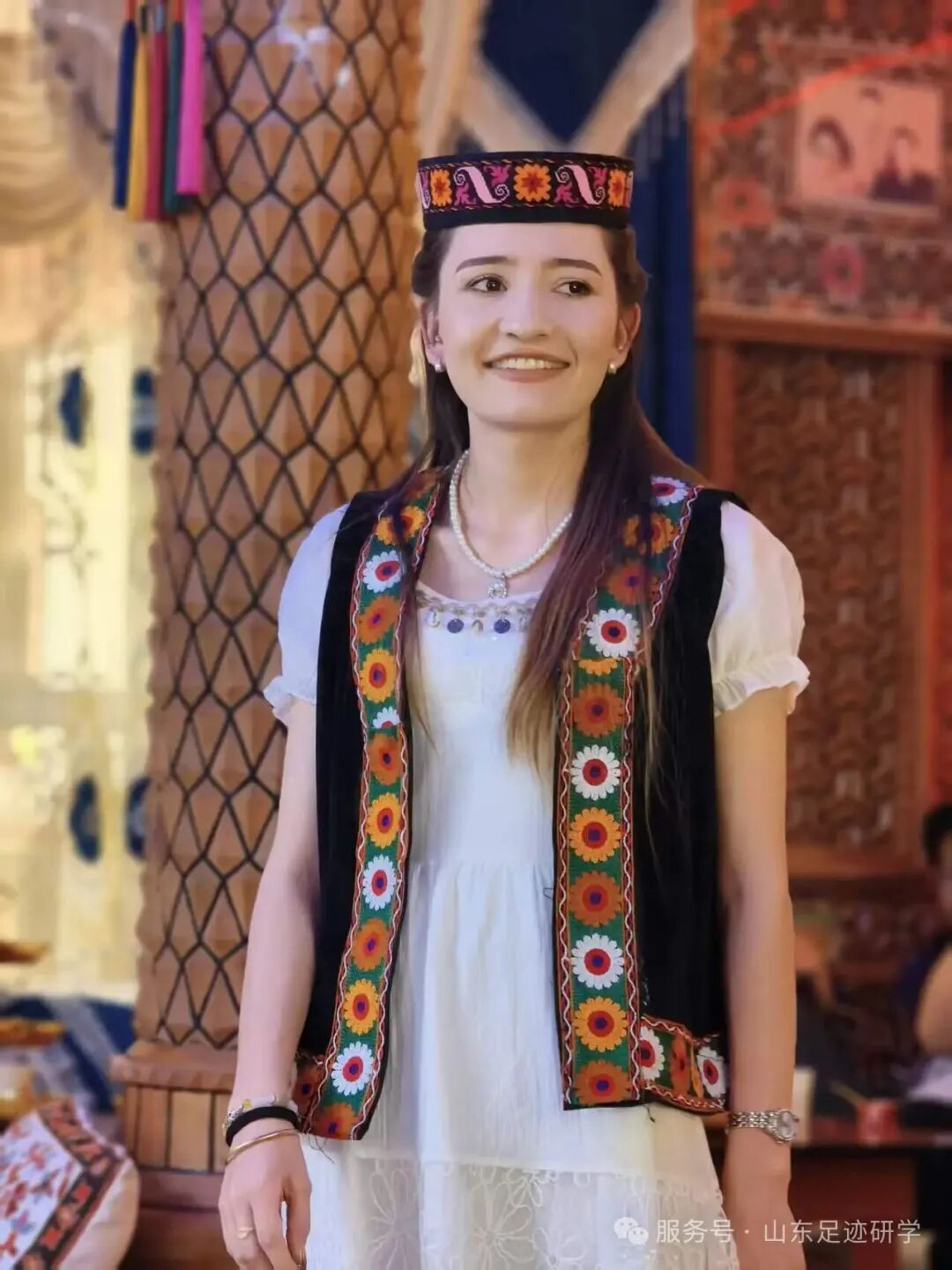
美丽风趣的塔吉克族姑娘,给孩子们留下了非常深刻的美好印象,她口齿伶俐、对答如流,言语中风趣幽默,和孩子们打成一片。她介绍了很多塔吉克族的历史文化、图腾、历史,回答了很多问题,比如塔吉克族是雅利安人的后代、与汉族通婚孩子大多带有明显立体五官、异域感,看上去更偏向塔吉克一方。她也回答了这座塔吉克人的住宅造价大约200万人民币,他们的旧宅拆除政府补贴了70万。
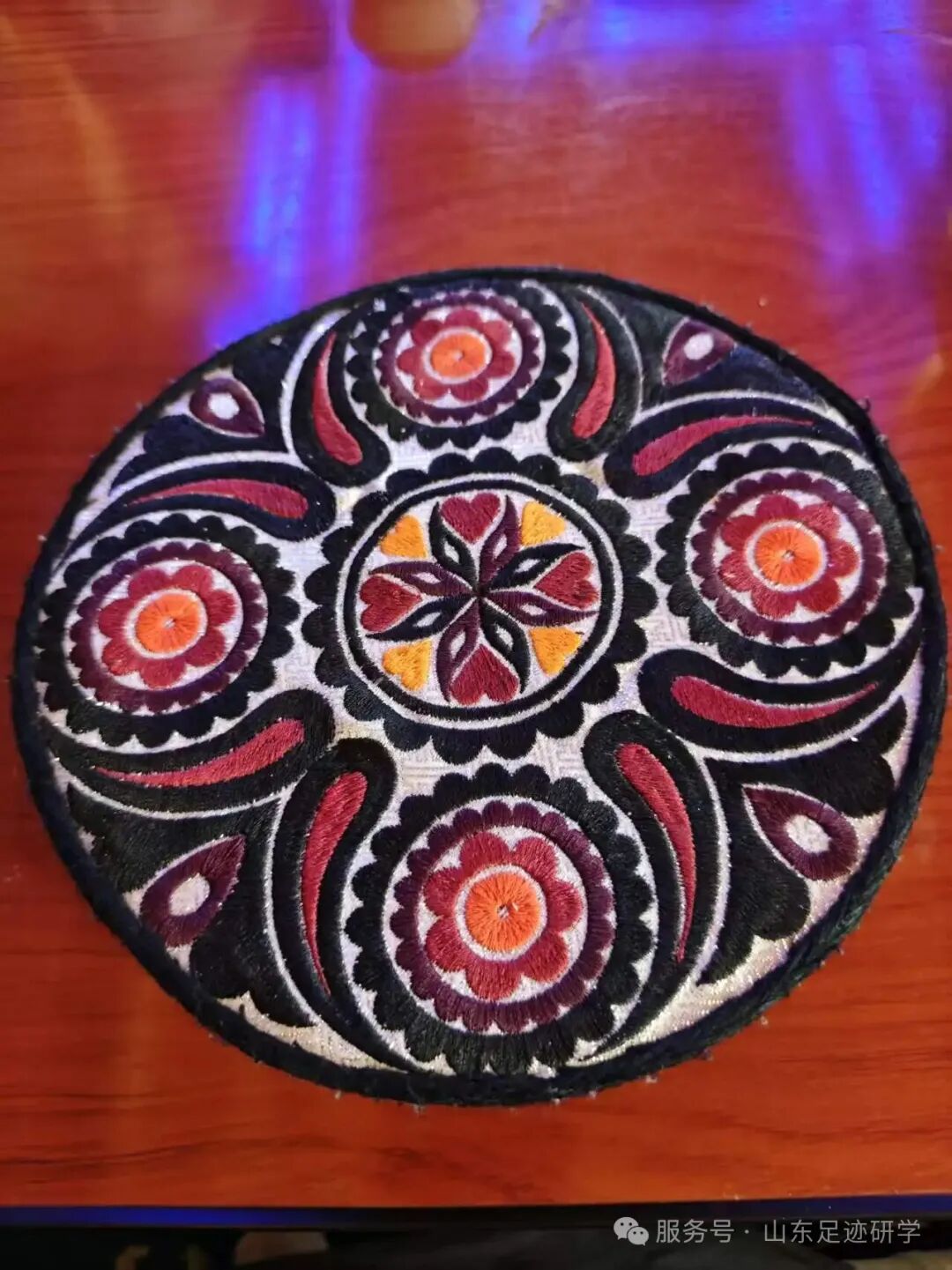
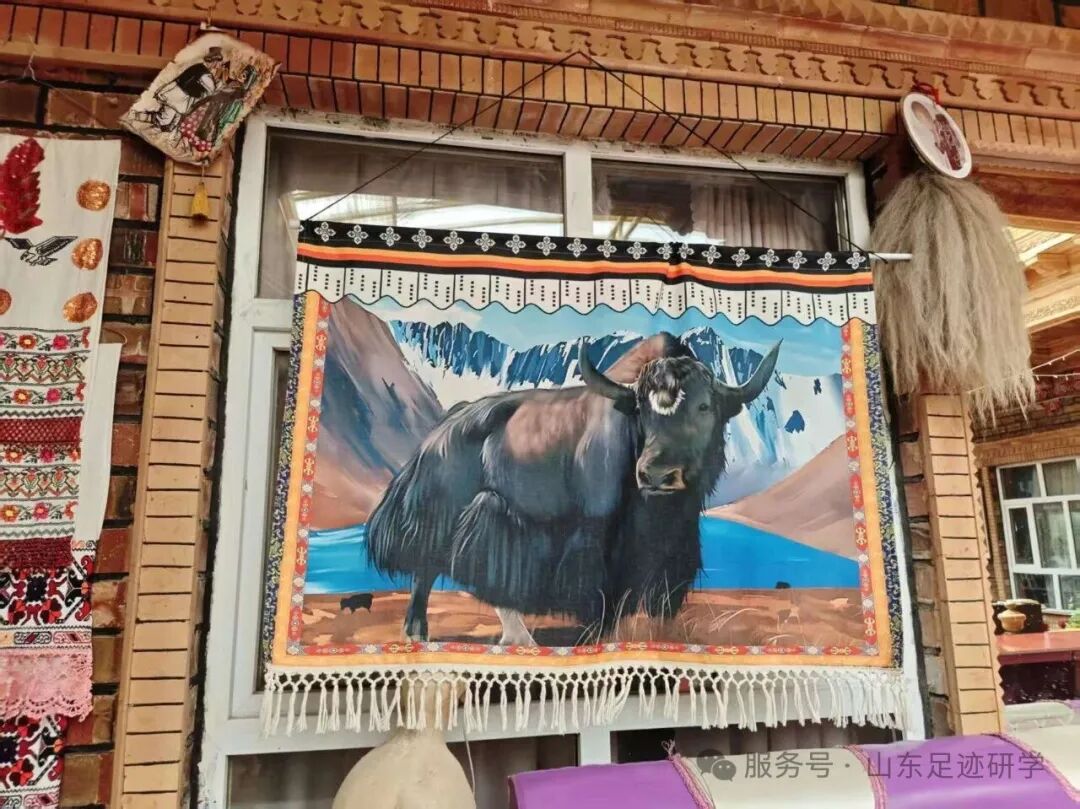
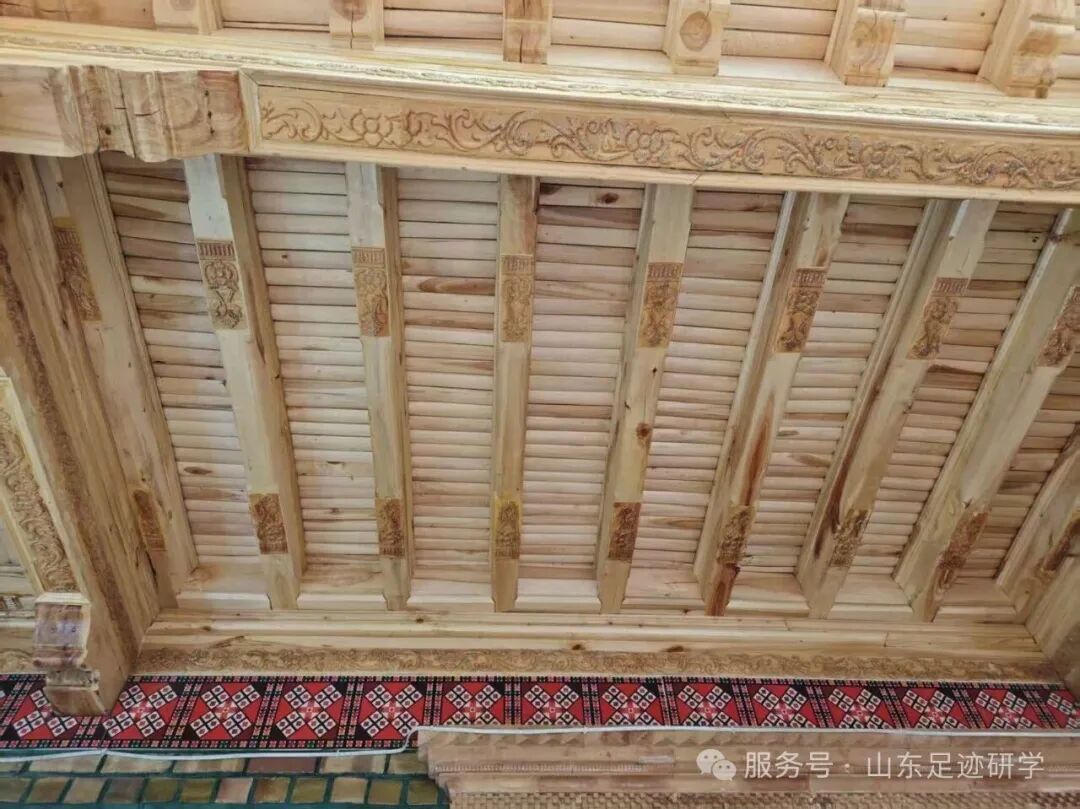
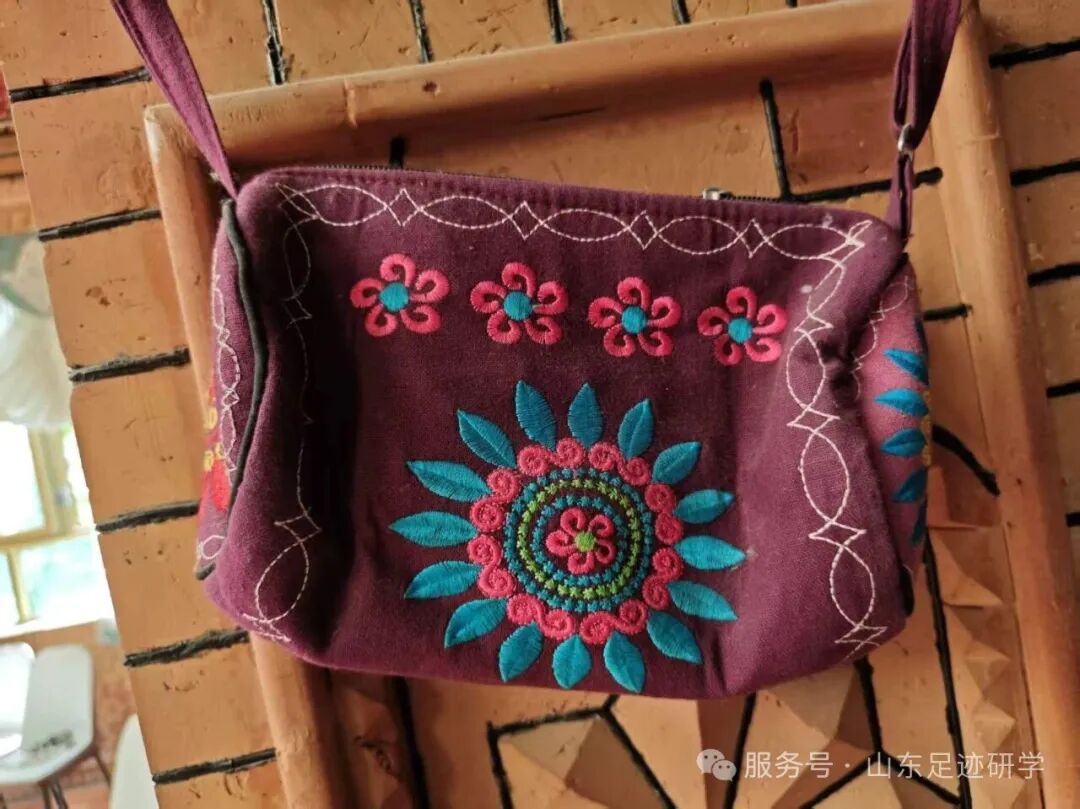
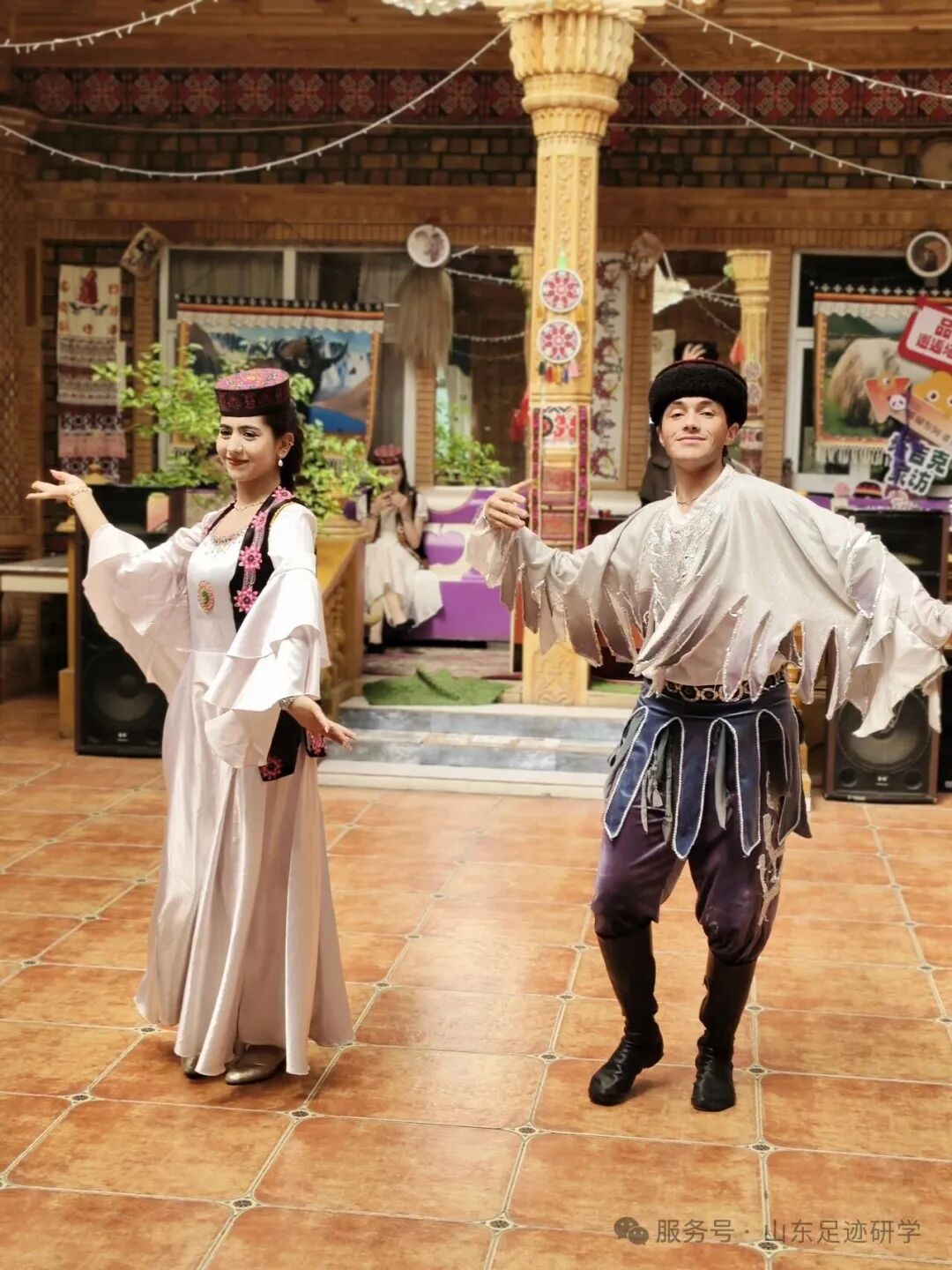
真的感觉他们每个人都是专业的歌舞表演艺术者,每个人都能歌善舞,把孩子们都带动起来了。
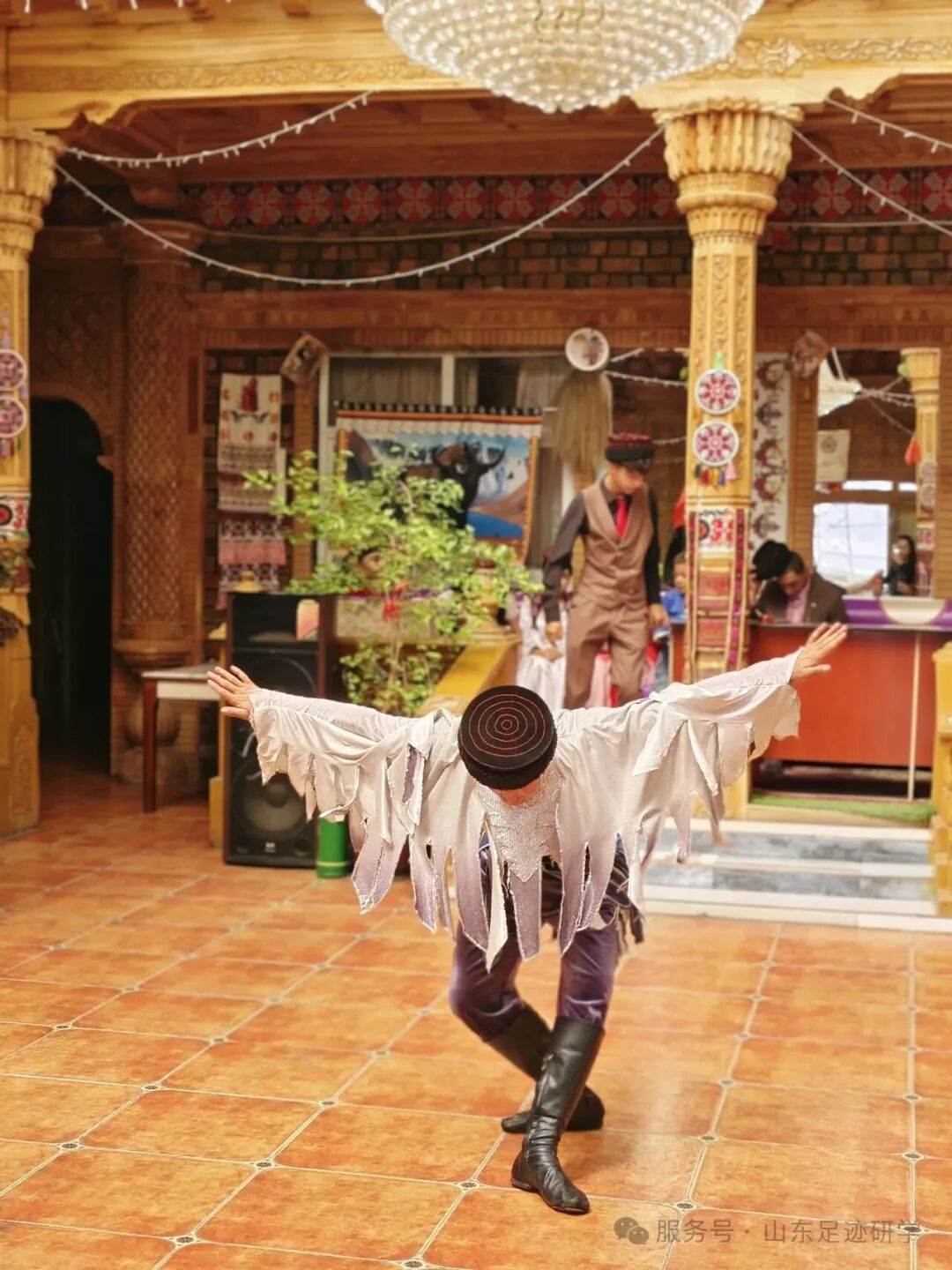
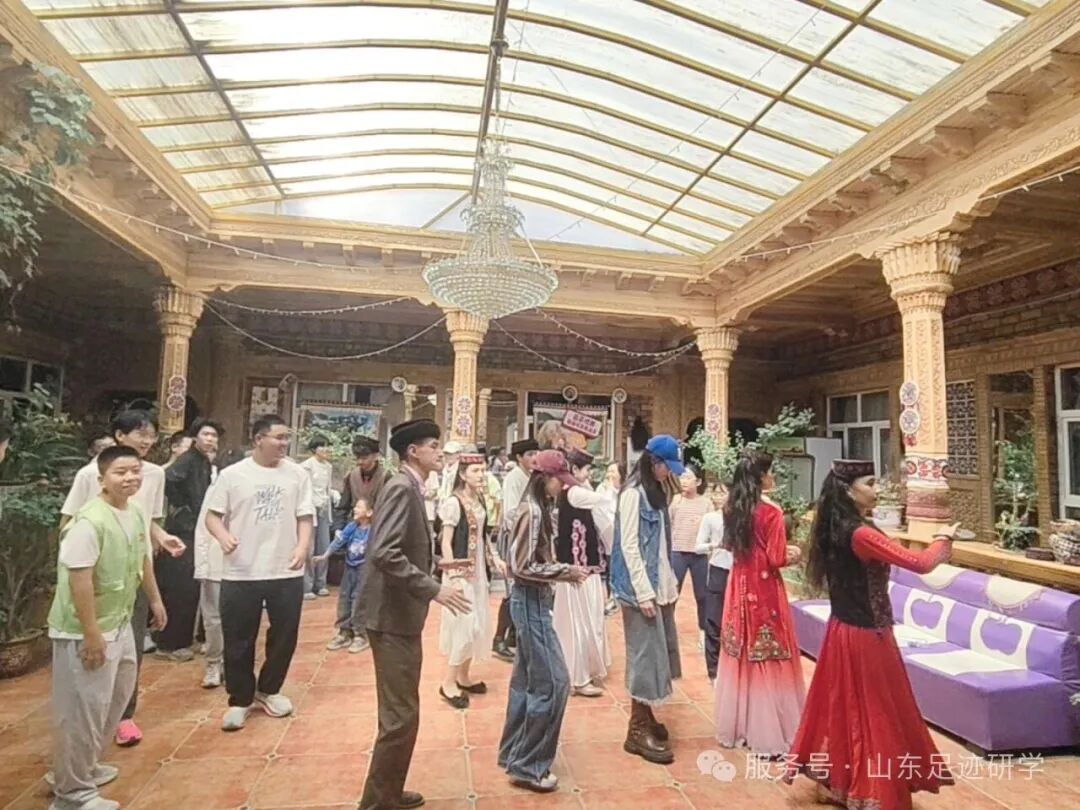
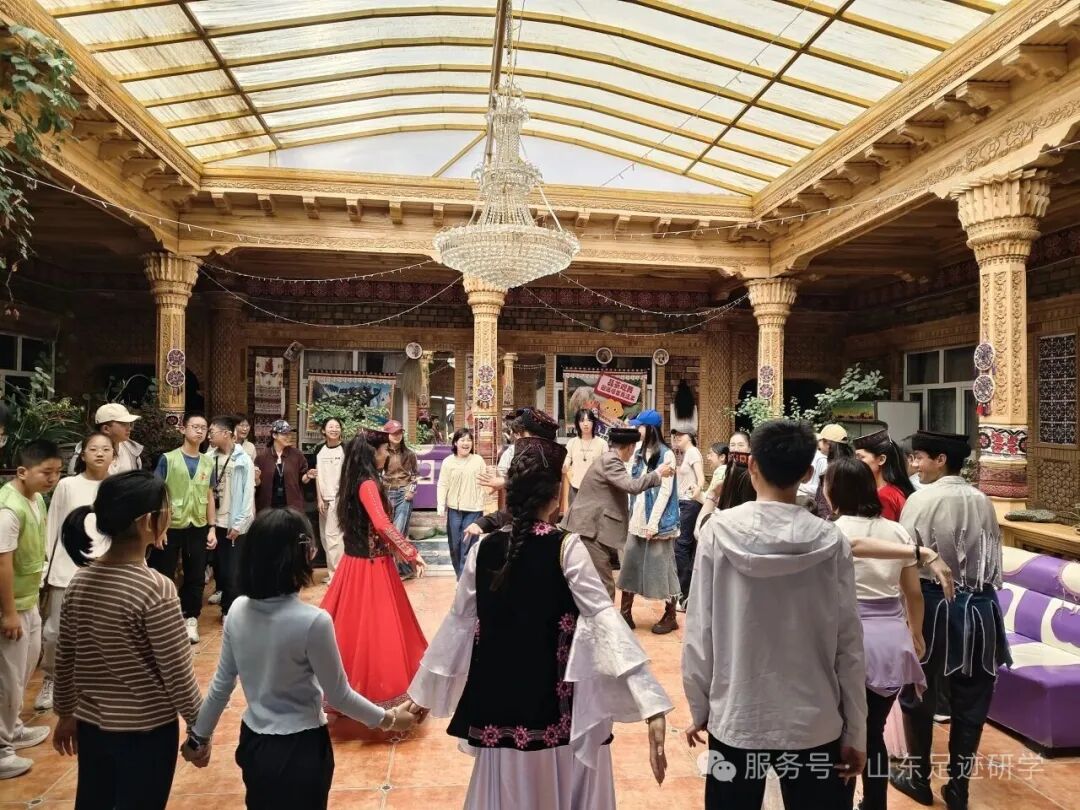
她还回答了关于塔吉克族巡边的相关问题,比如,巡边员有工资吗?她说,每个塔吉克家族都会有一到两名巡边员,每个月大概有2000多元的补贴,不过不再巡边后就没有任何补贴;大家巡边的区域范围都是当地根据需要划定的,每次巡边也需要十多天,其实很辛苦。不过这就是他们的传承,一家里面爷爷、爸爸、儿子都巡边的,很多。
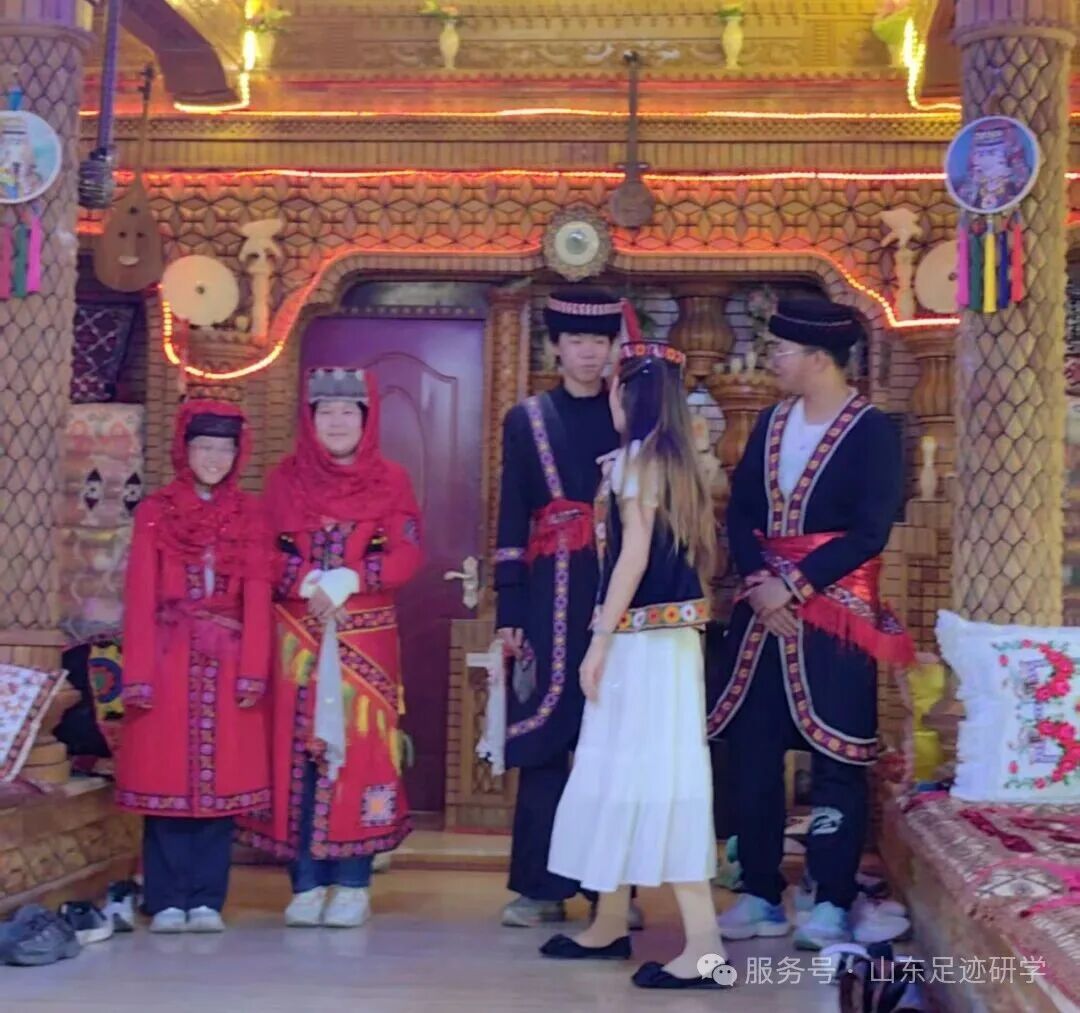
我们还选了一对新娘新郎、一对伴娘伴郎,体验了一场地道的塔吉克婚礼。
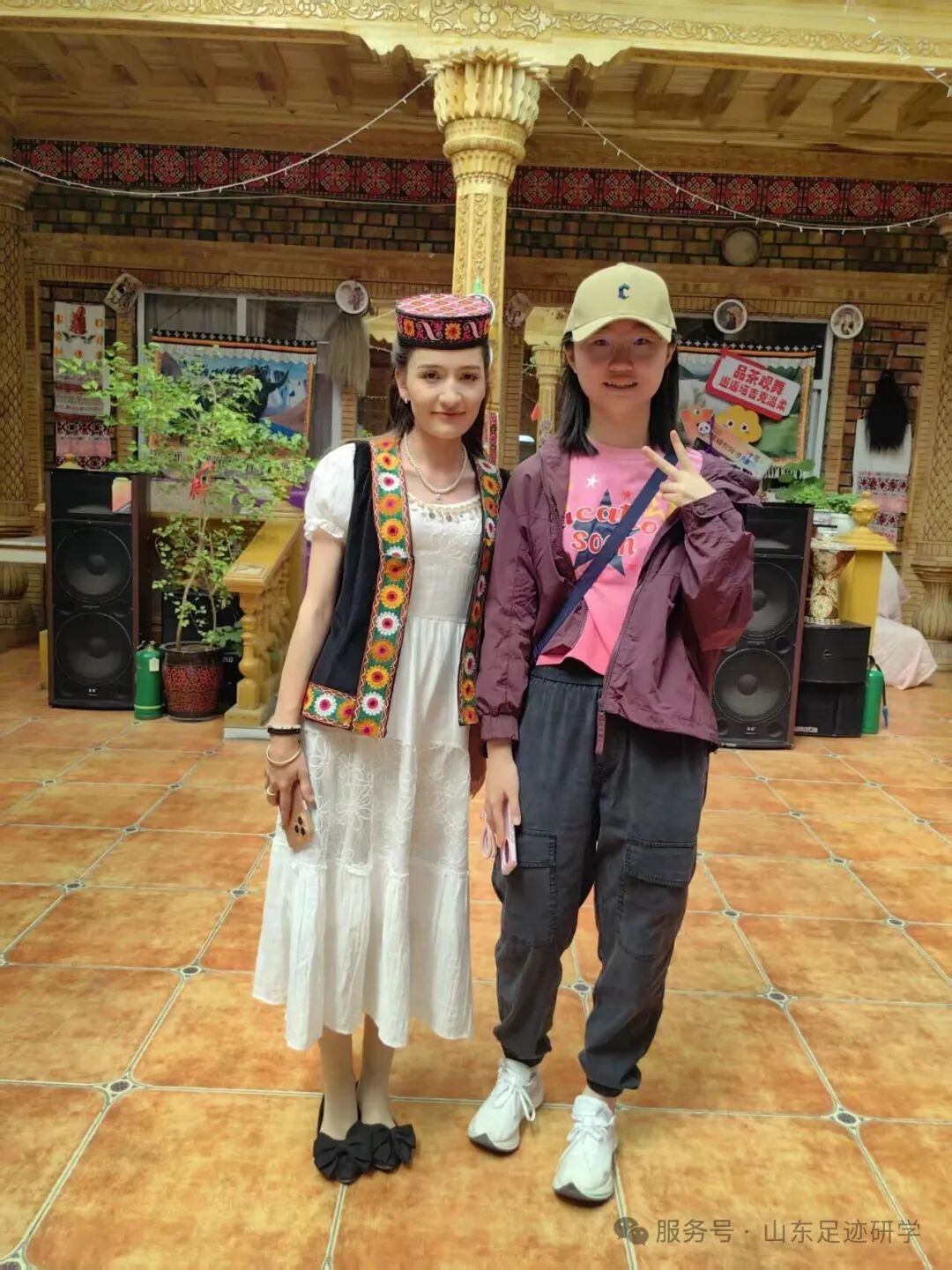
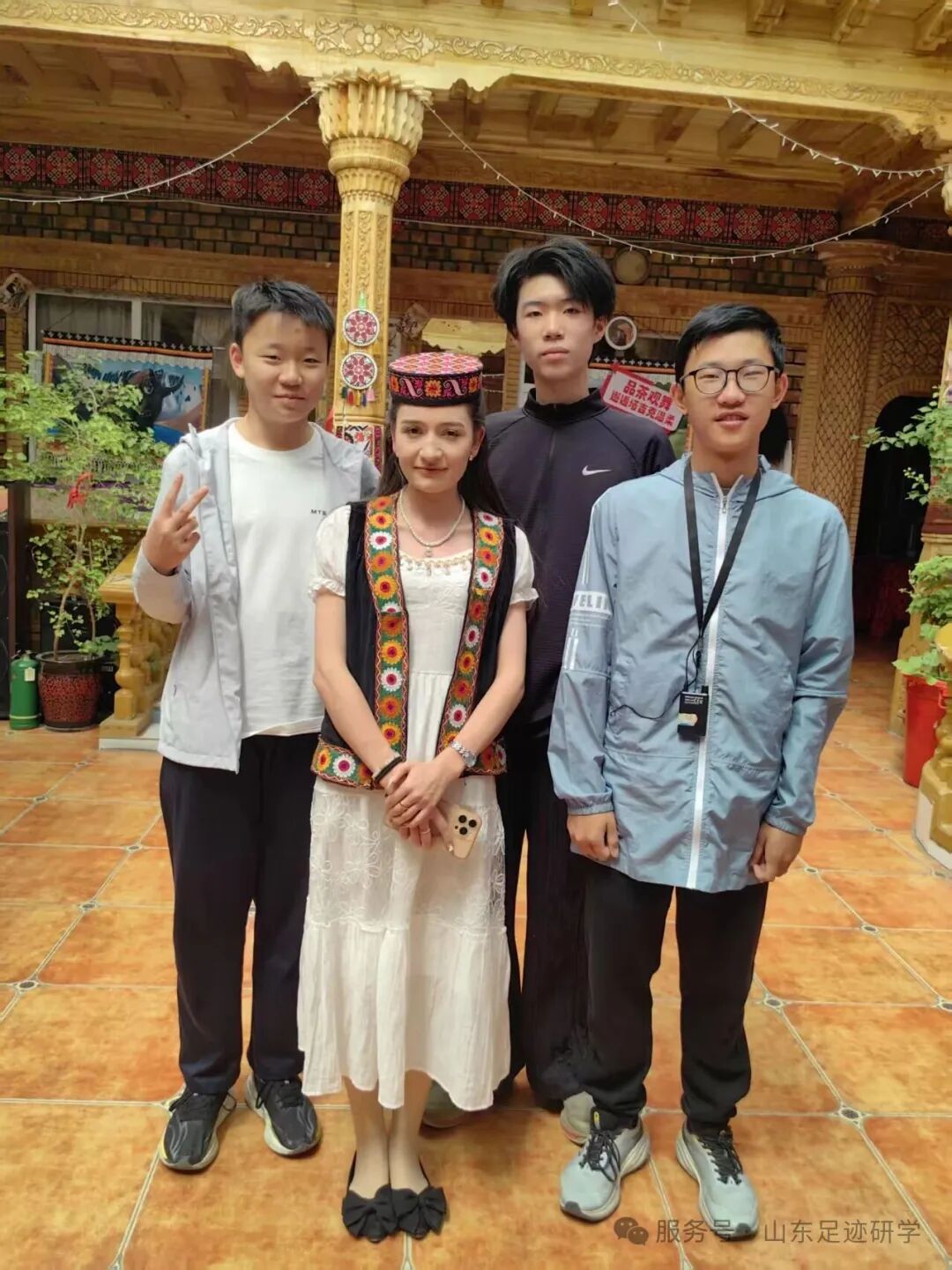


孩子们主动和美丽的姐姐合影。

03. 慕士塔格冰川公园

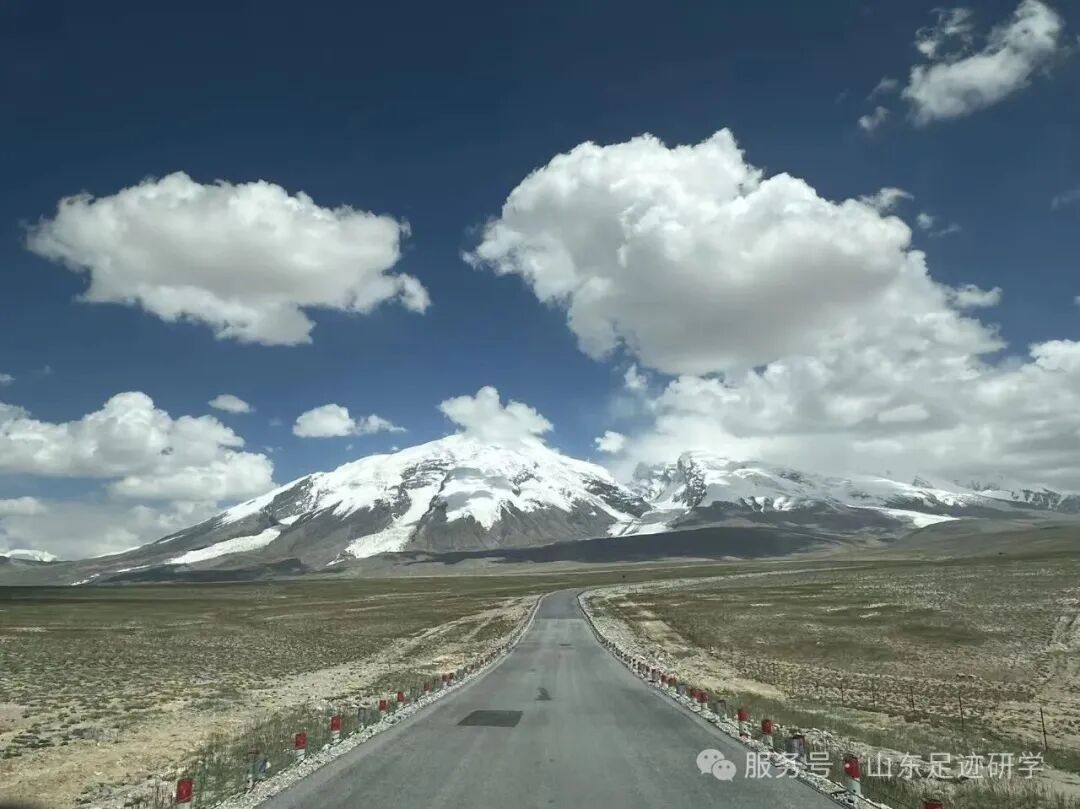
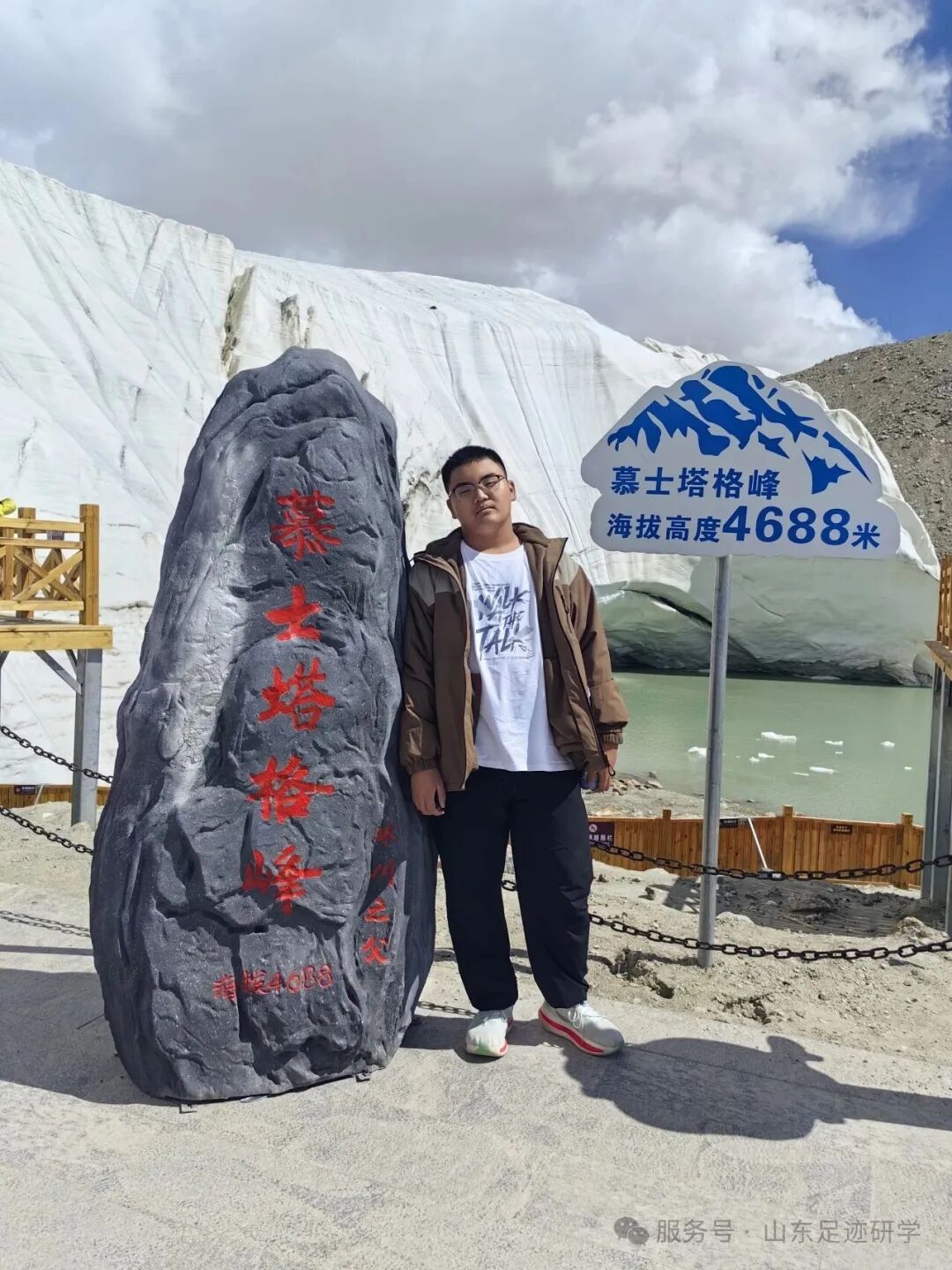
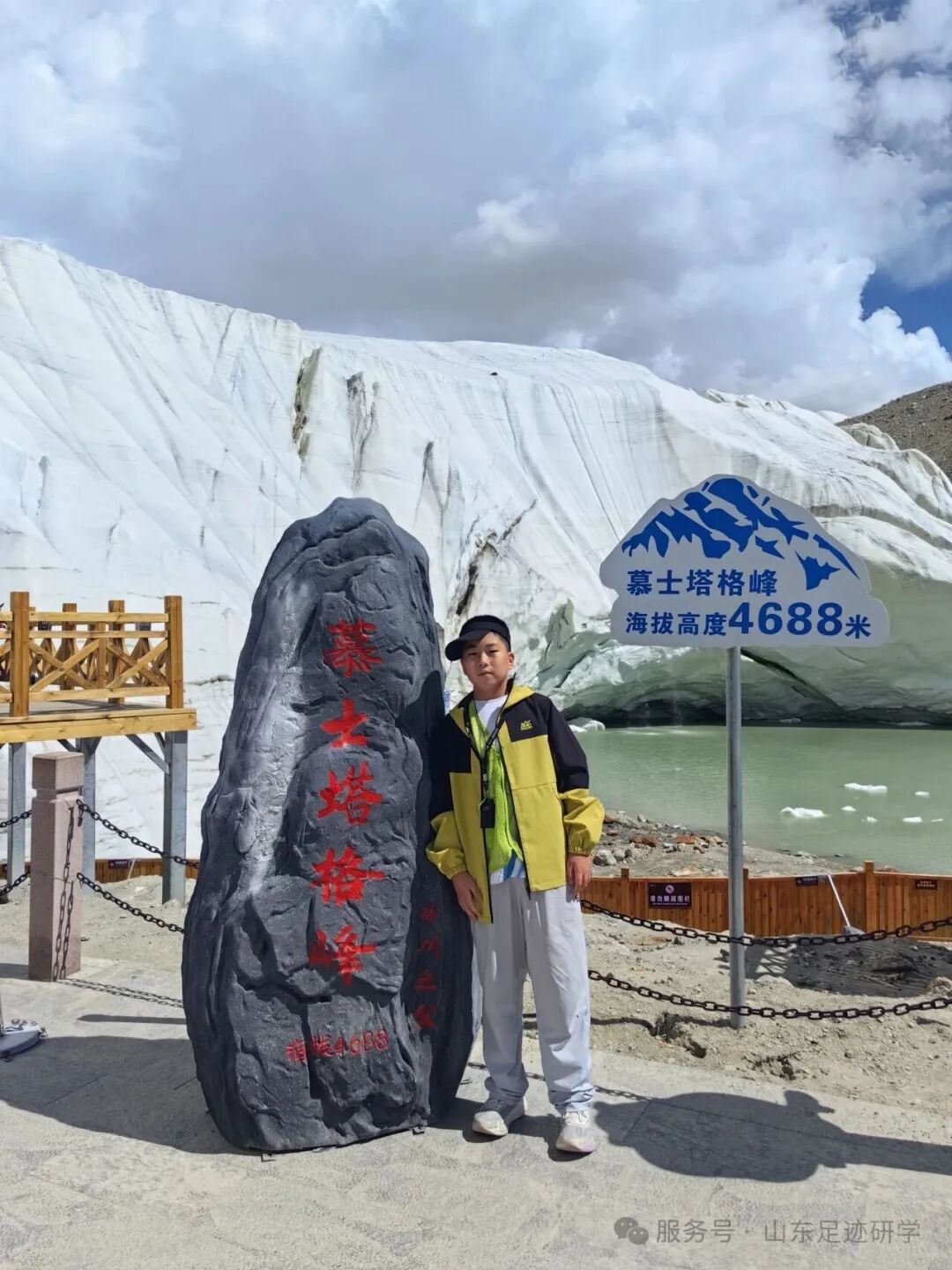
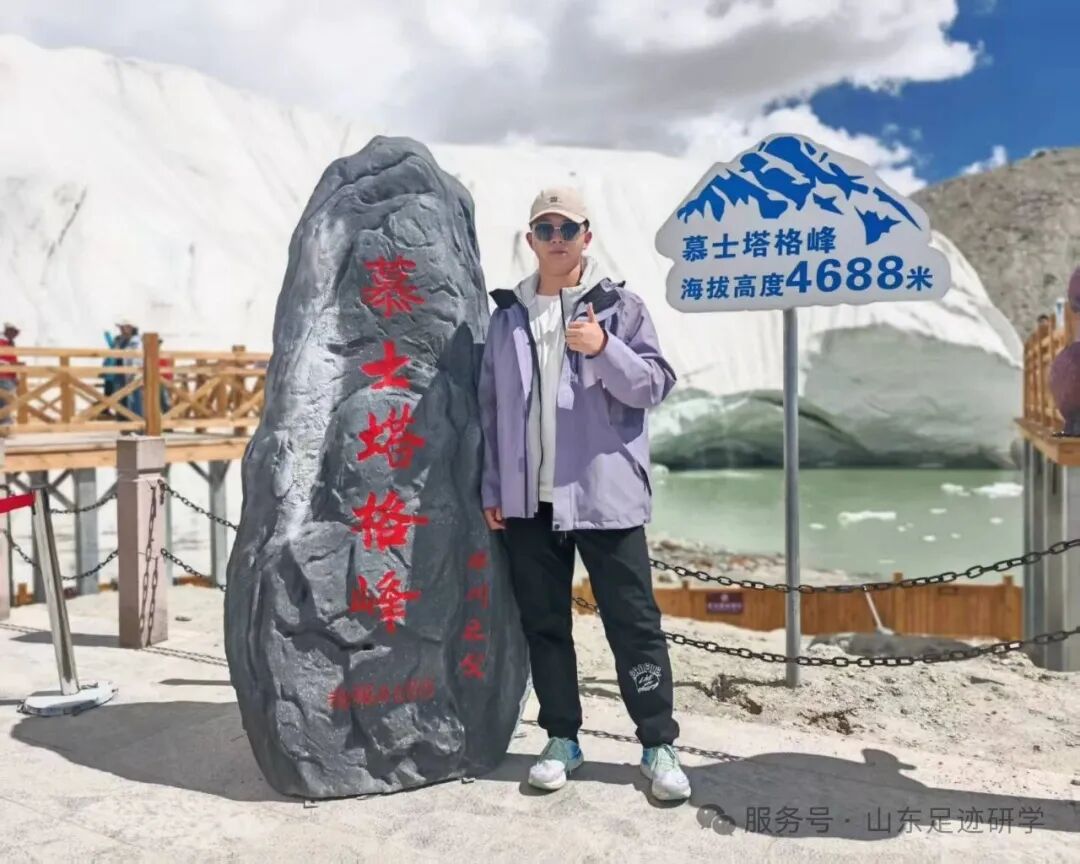
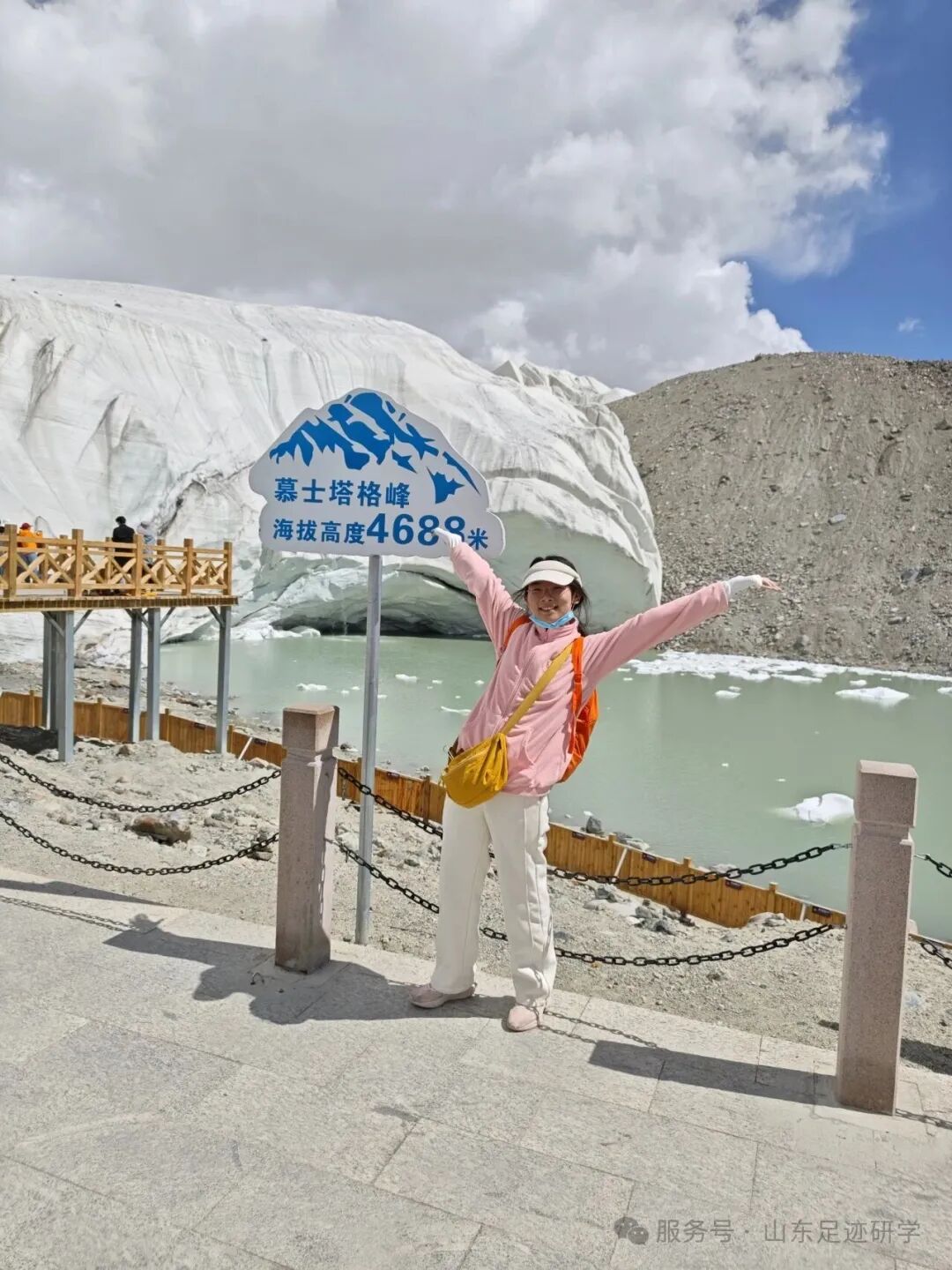
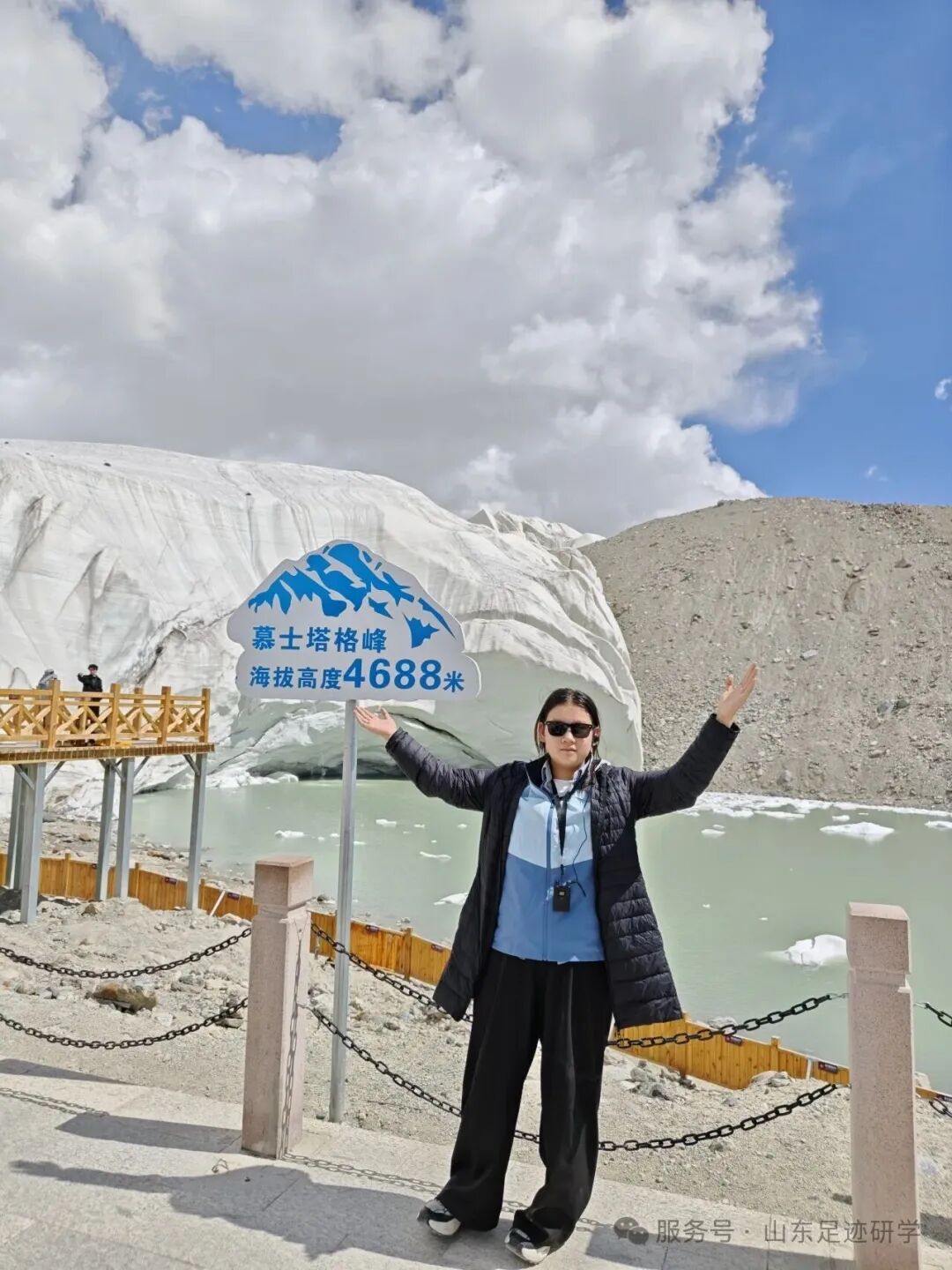
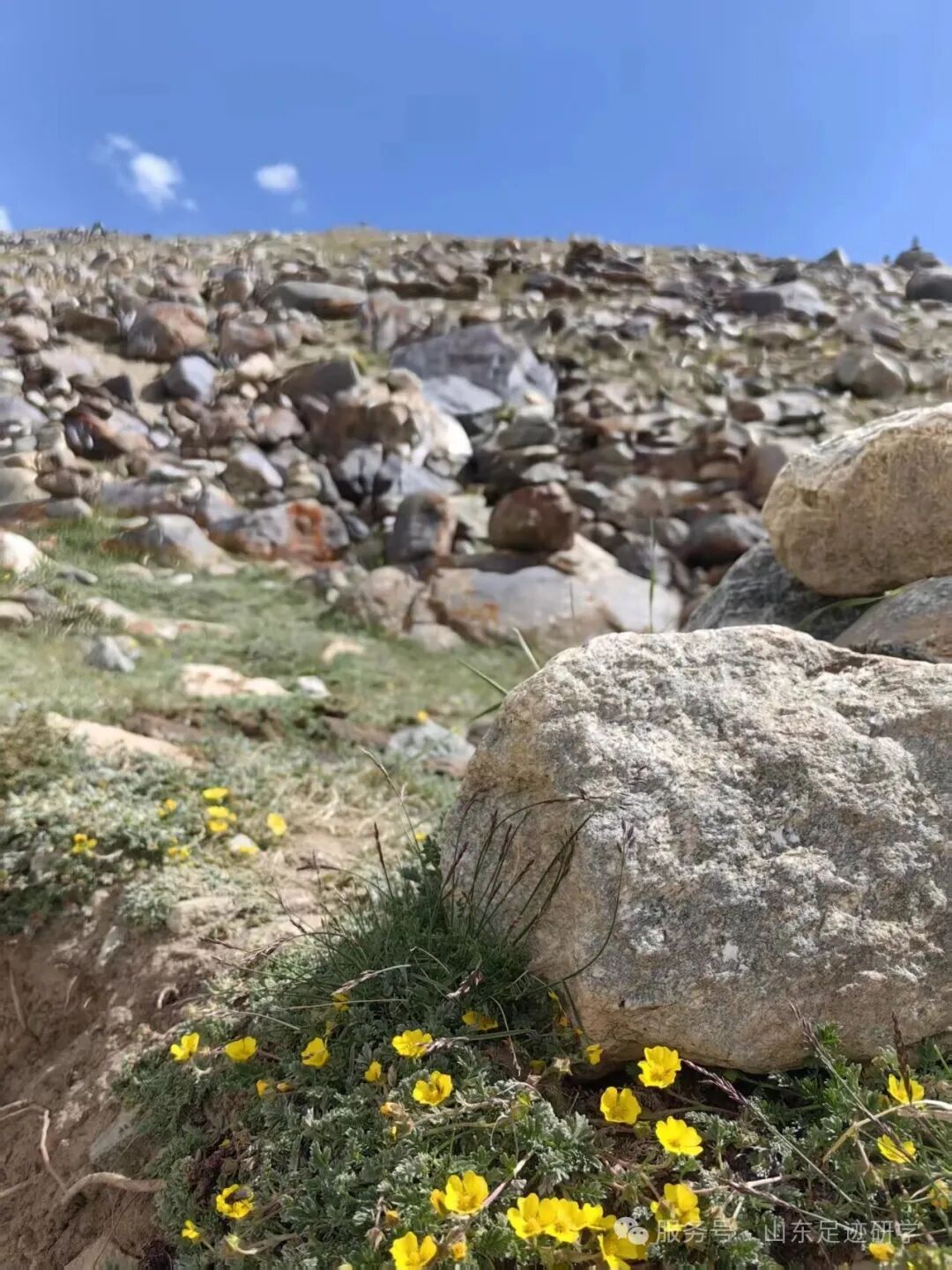
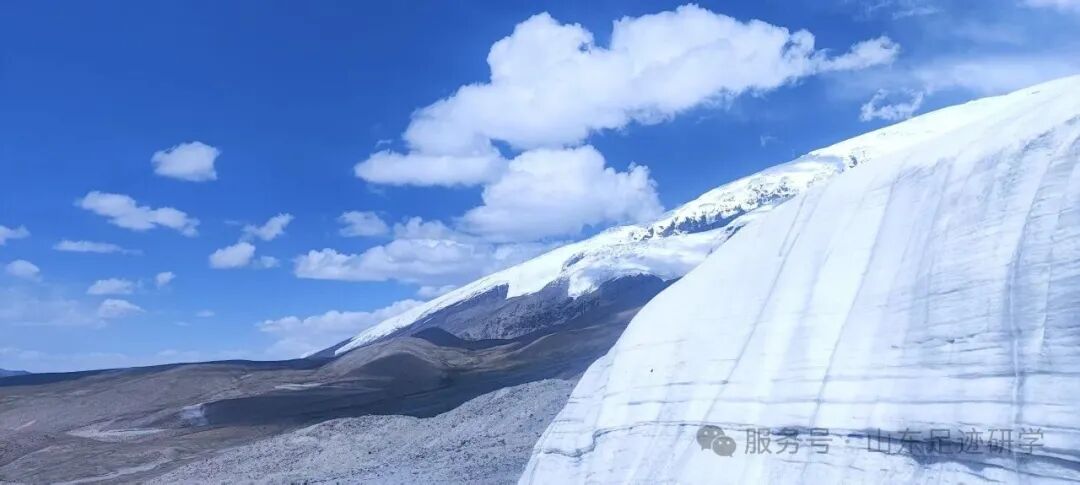
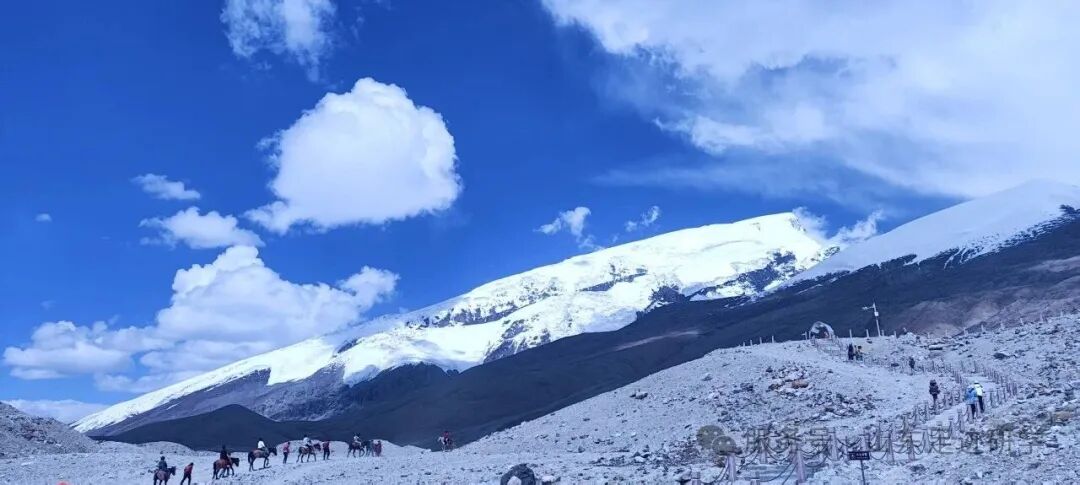
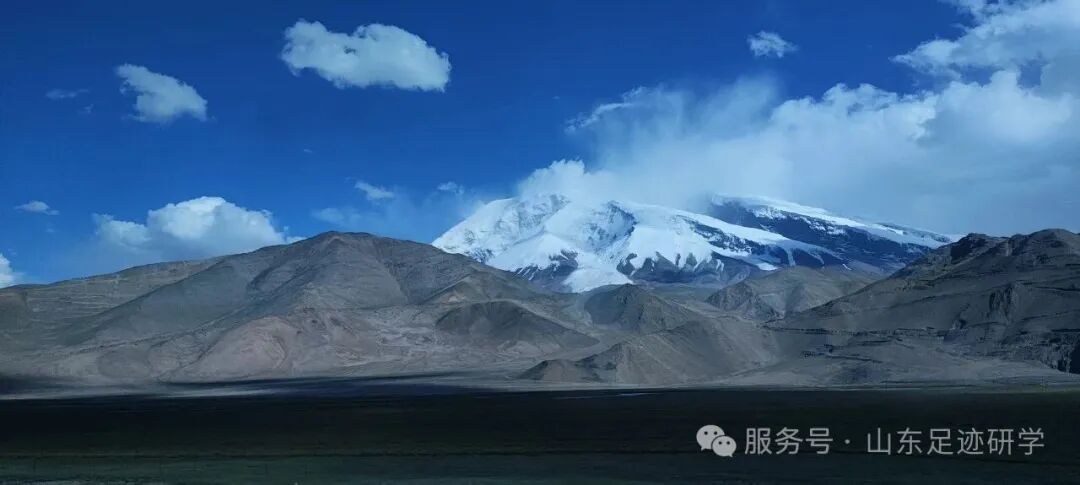
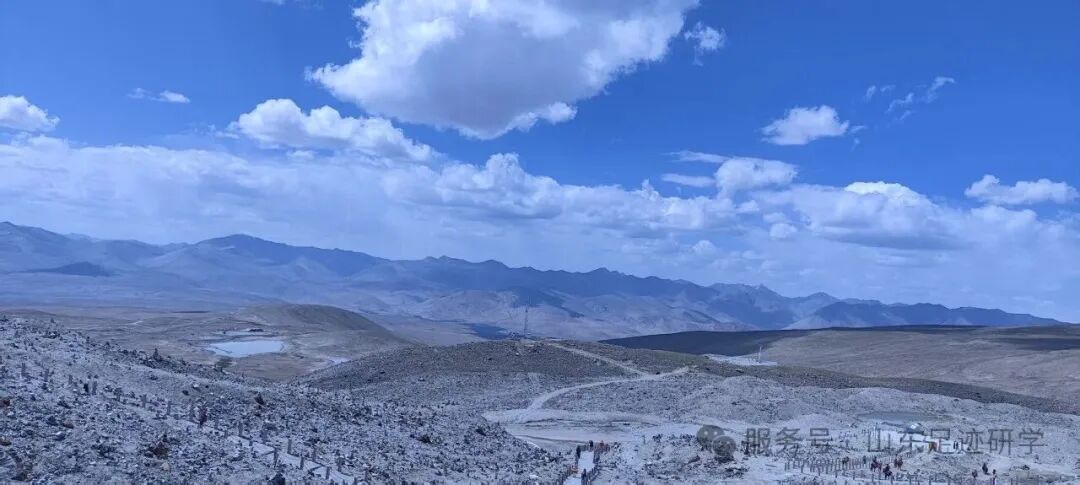
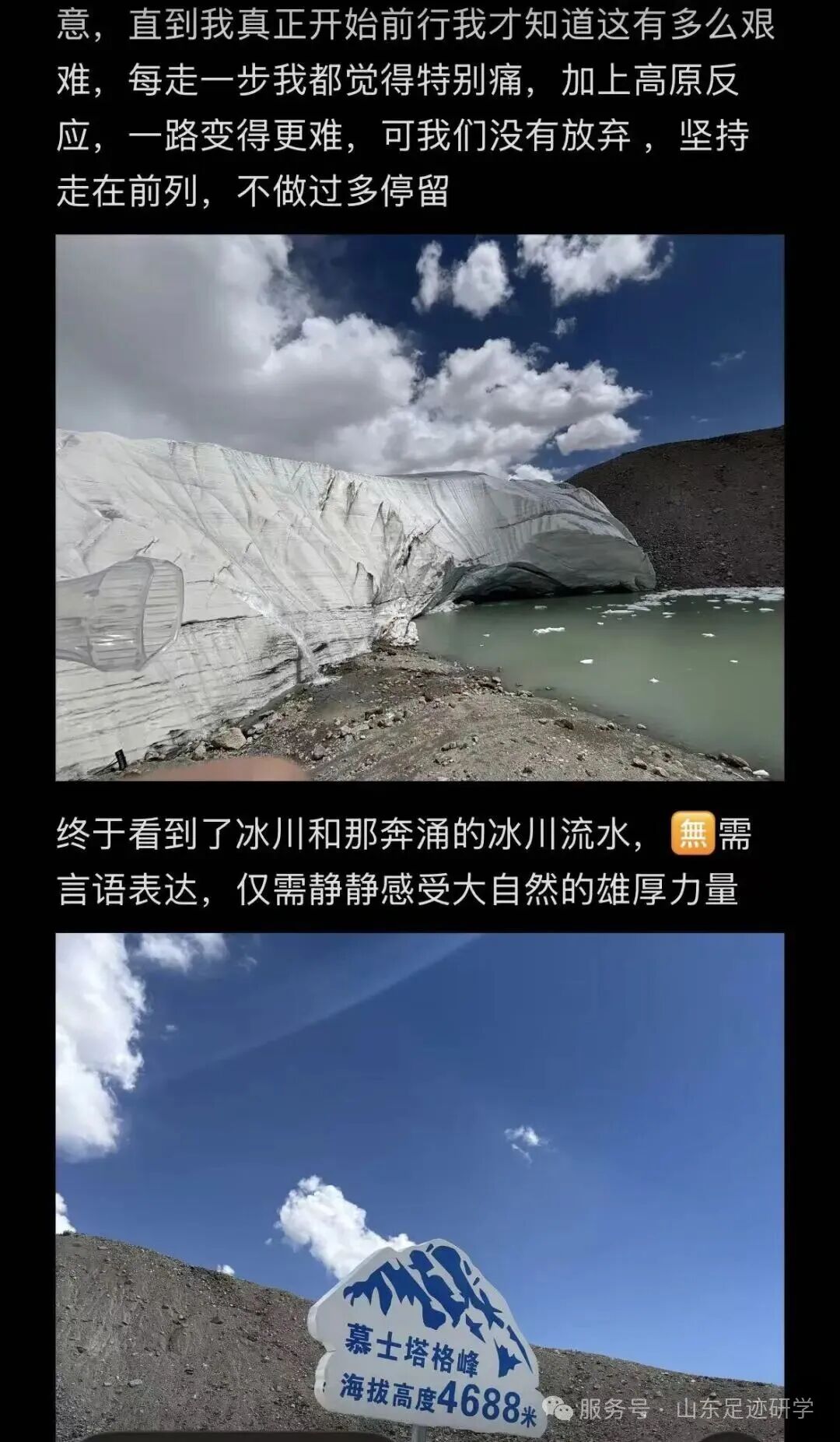
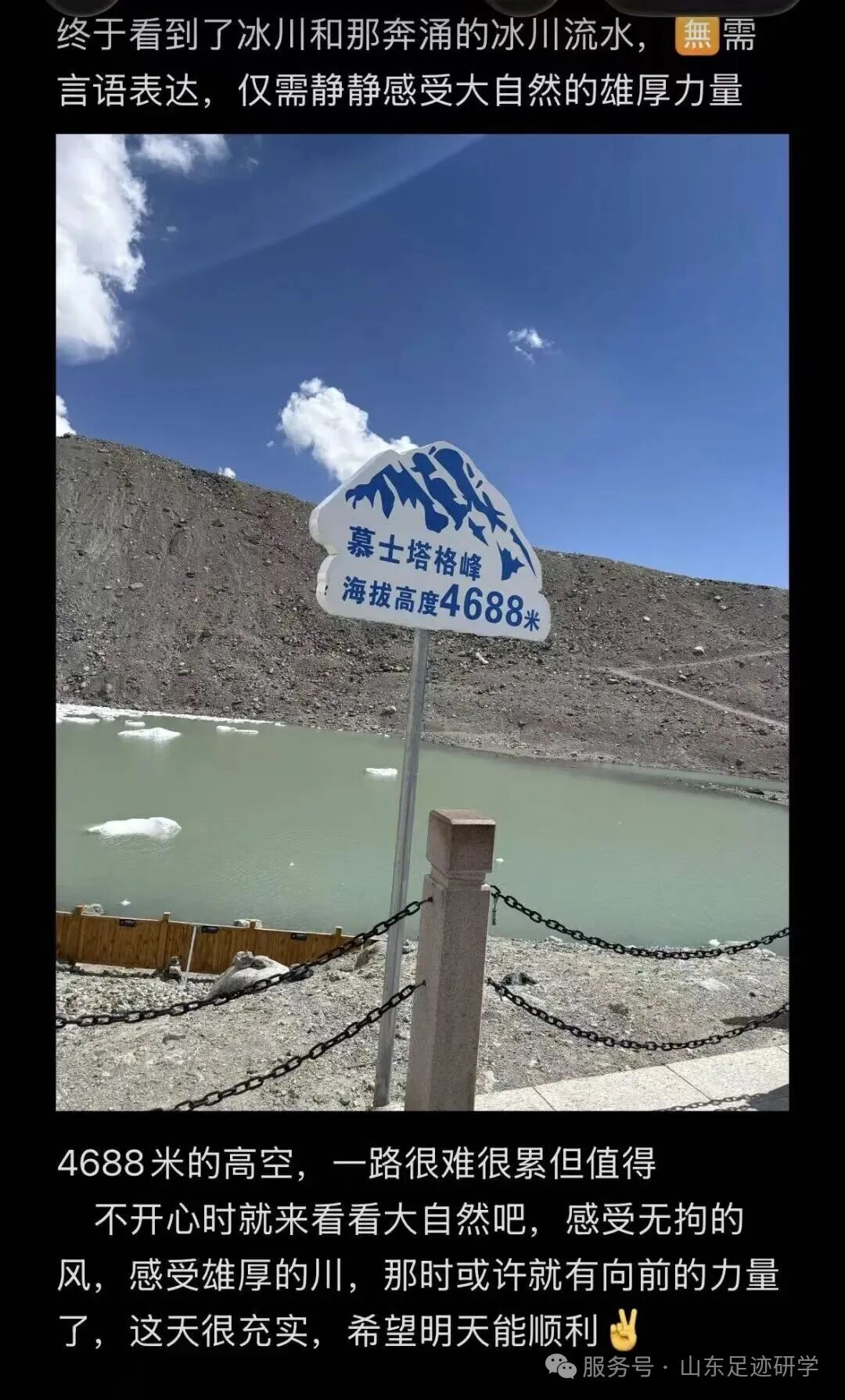
像是一场朝圣之旅,蓝天白云下,慕士塔格峰横亘在高原之上,冻土上的草甸有土拨鼠穿行,这种壮美是帕米尔高原独有。
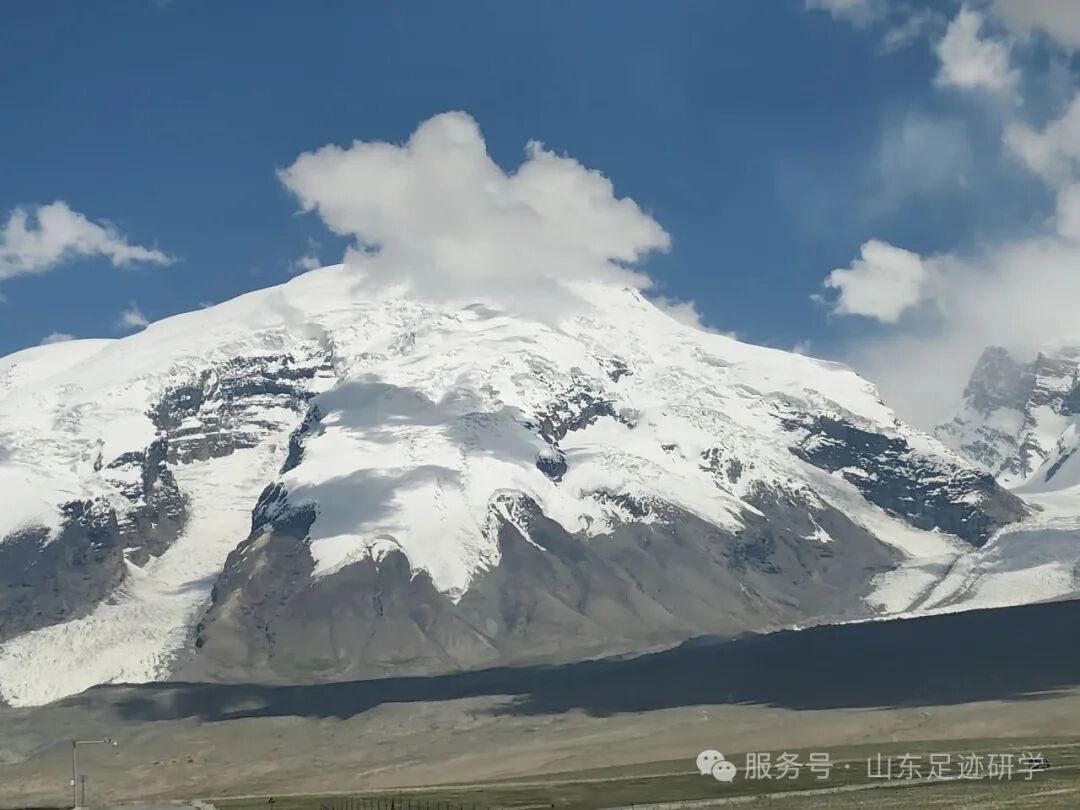
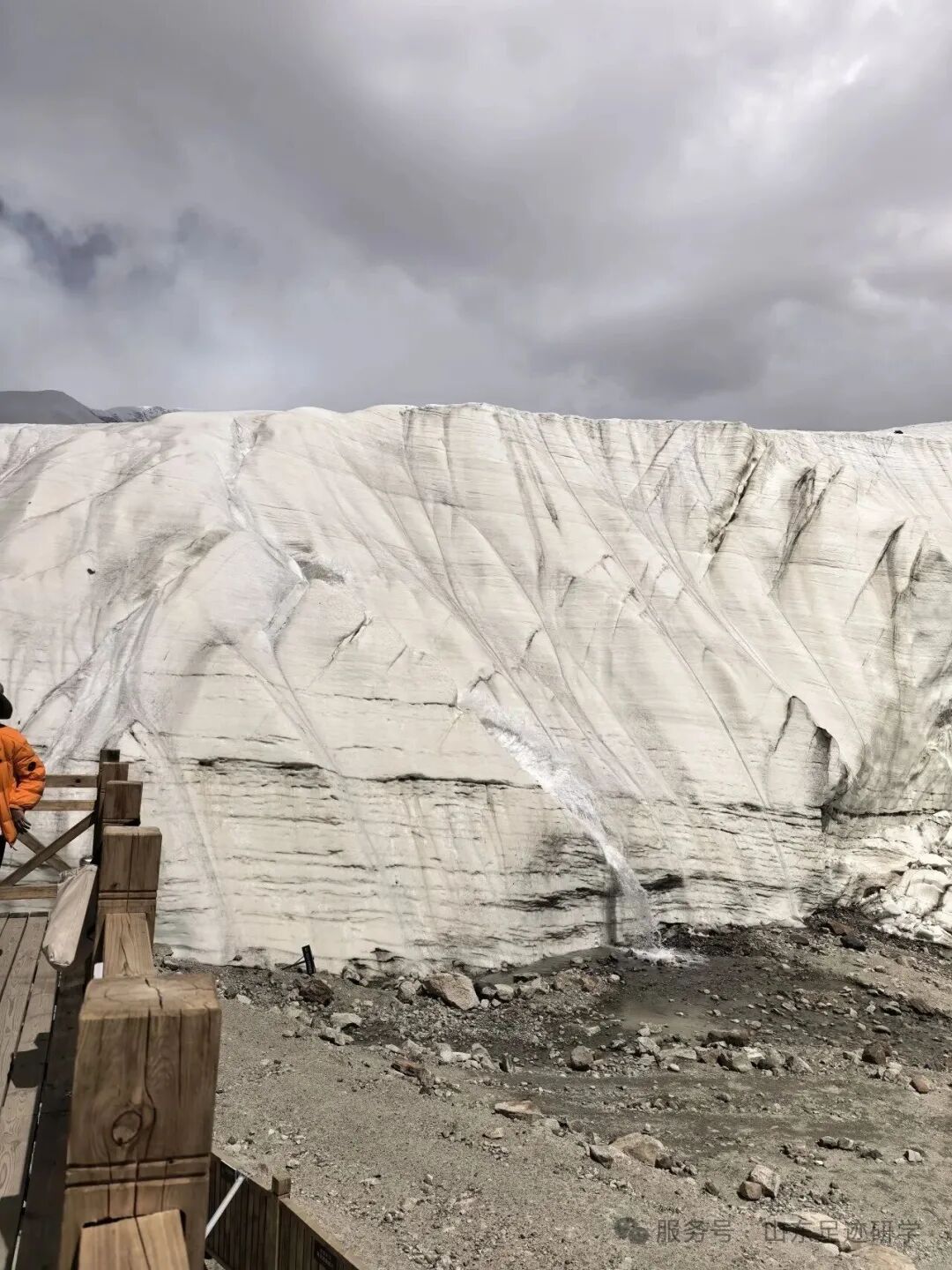
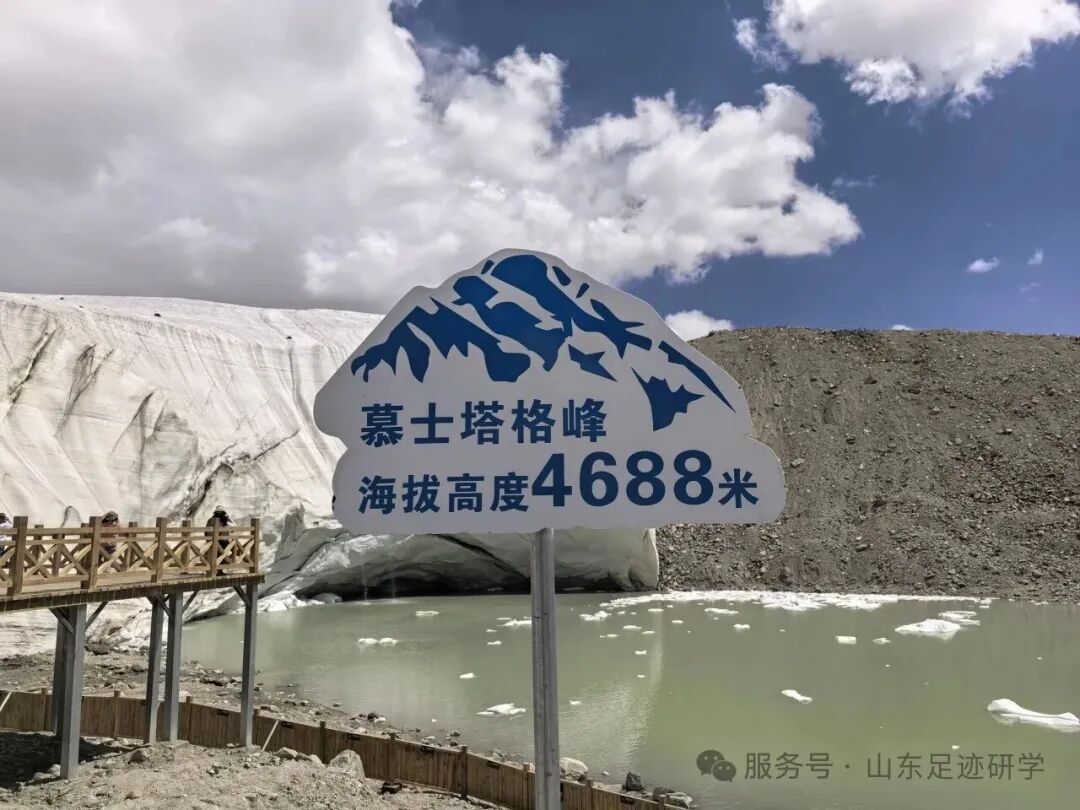
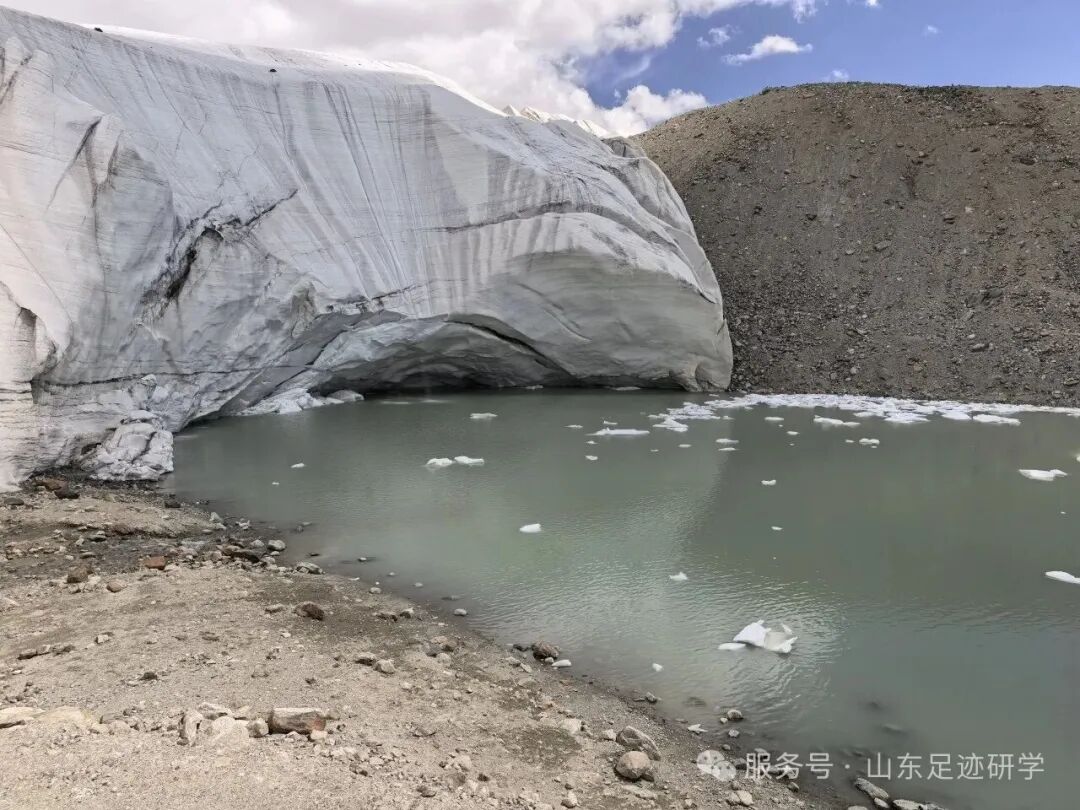
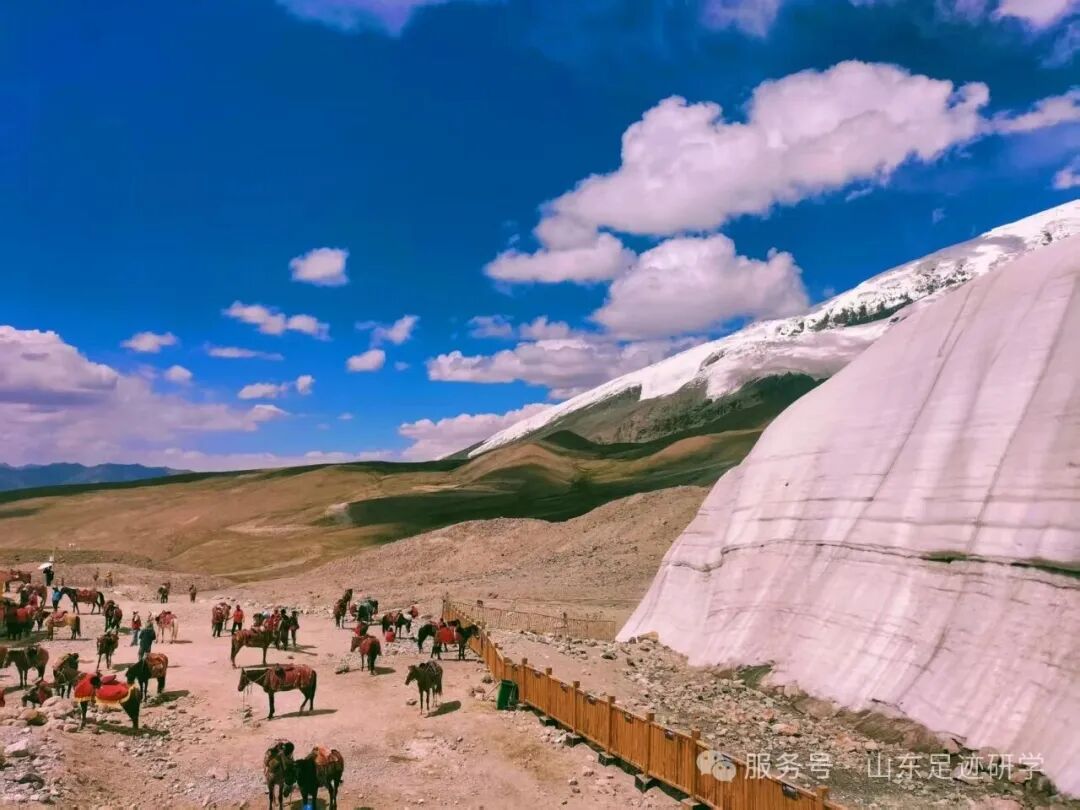
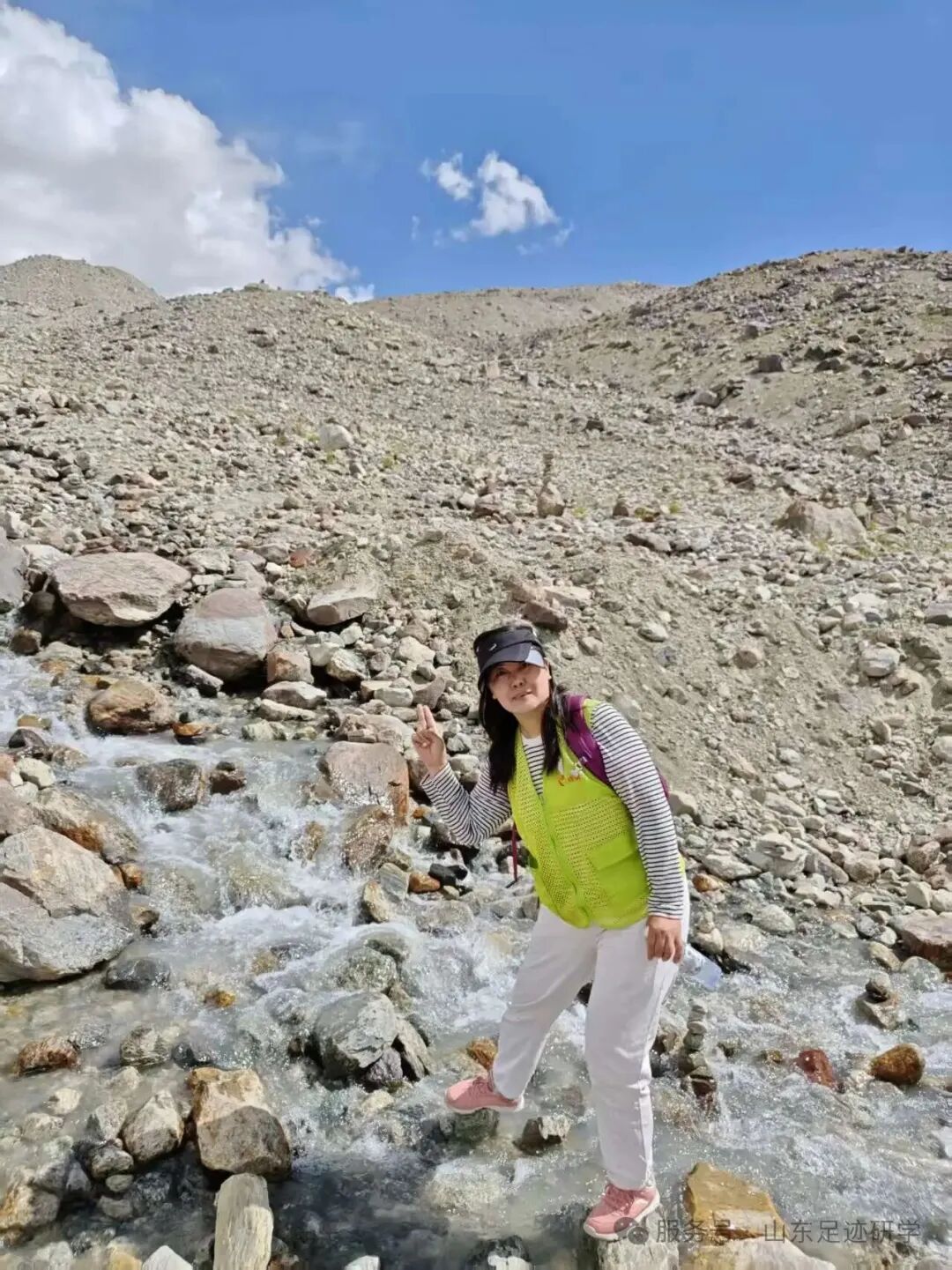
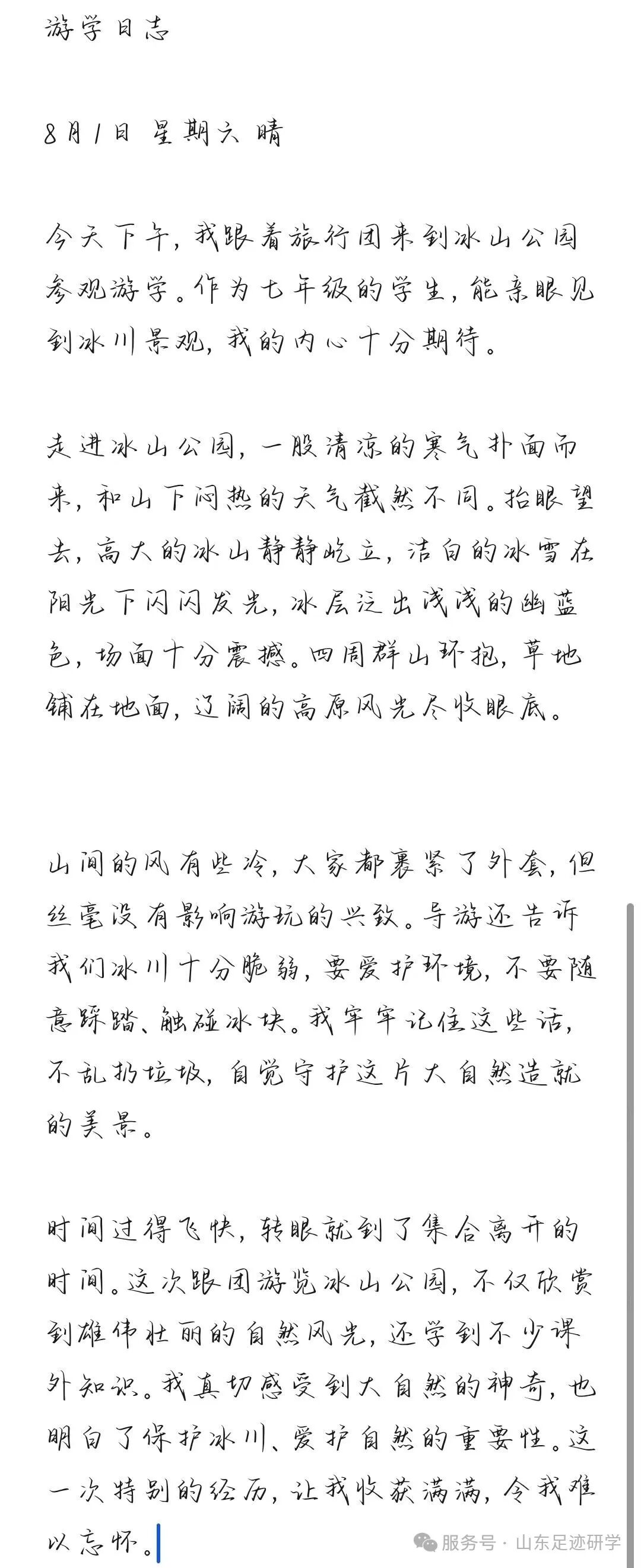
爬行的过程是难忘的,登顶的自豪感是油然的,收入眼帘的美景是千金难买的,看看后面孩子们的日志,感受一下他们的心得体会吧。
My Trip

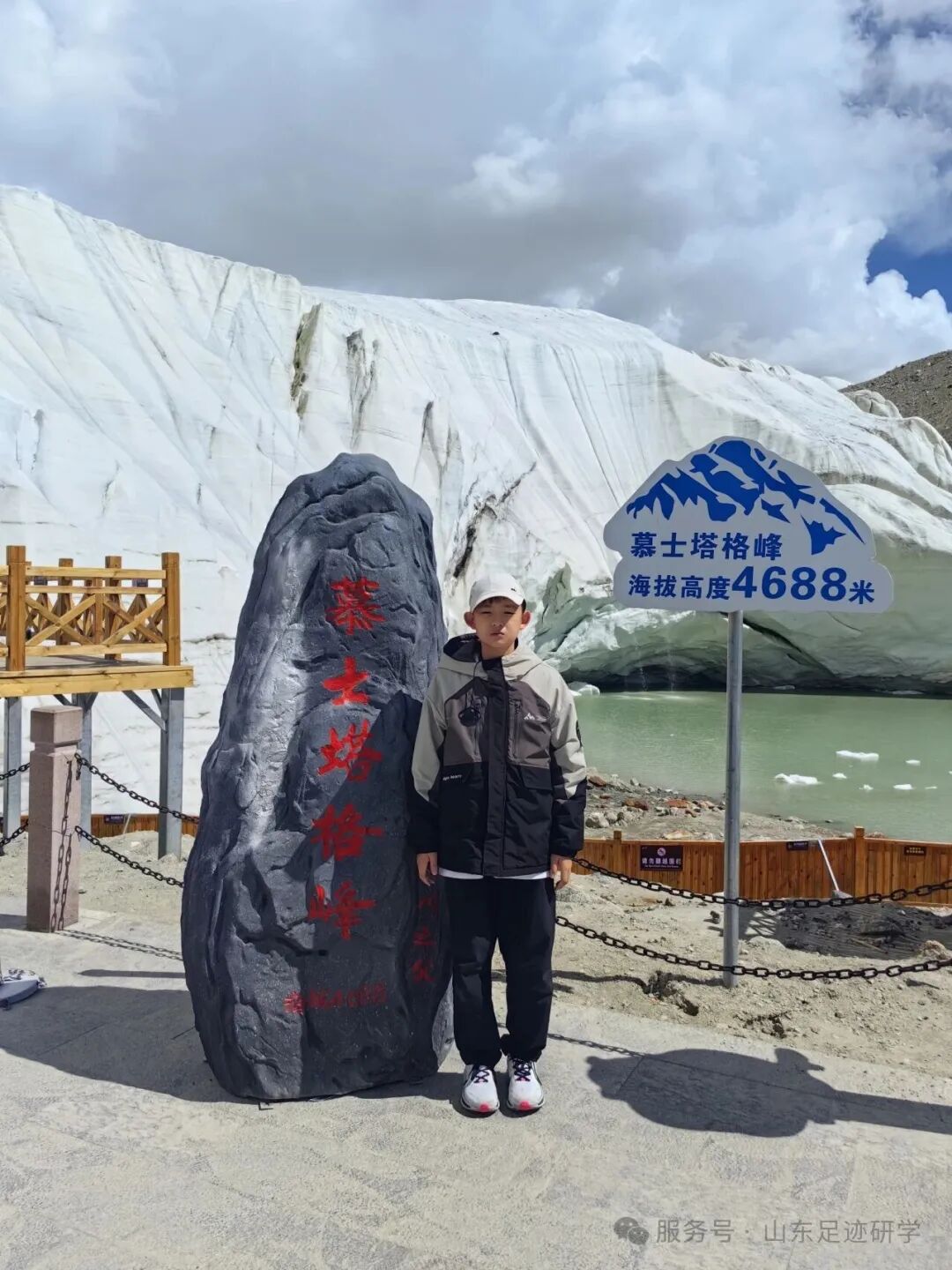
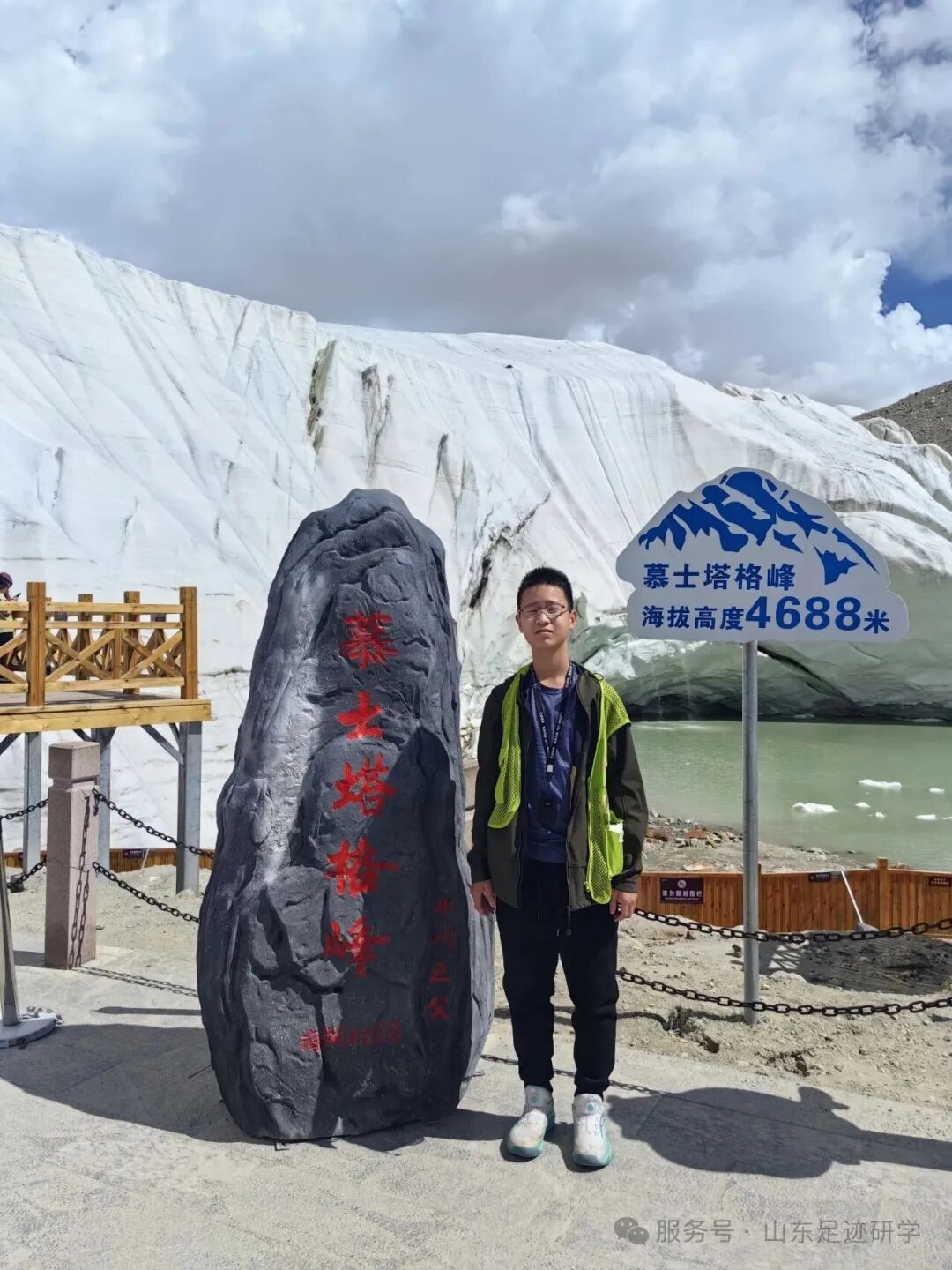
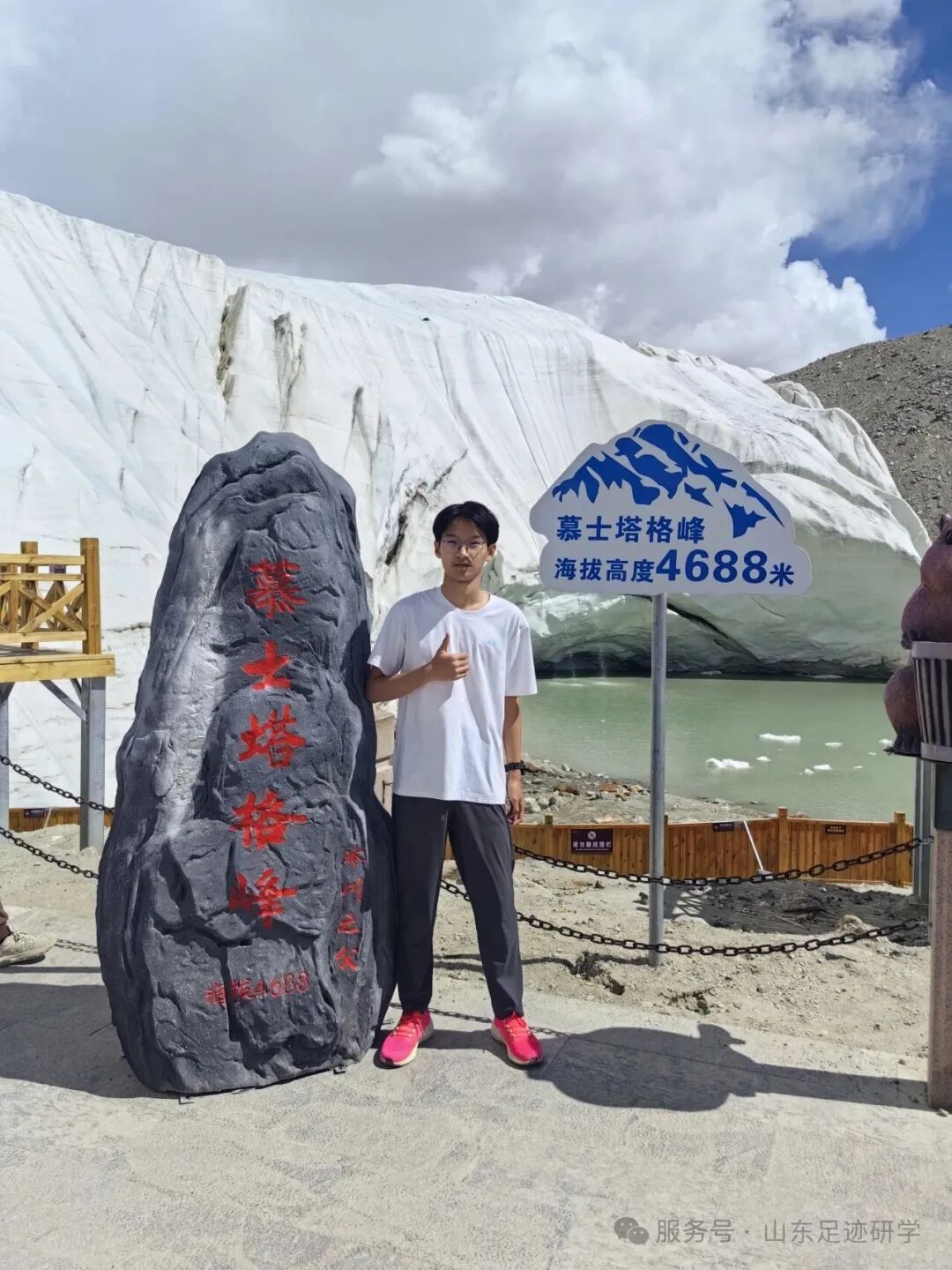


04.孩子们的日志

刘书颜

王皓泽

The car hums along the China–Pakistan Highway, heading south. Outside the window, snow-capped mountains stretch in an unbroken chain across the vast plateau pastures. It is high summer on the Pamir, yet the golden grasslands spread out like a woven carpet, where yaks graze with unhurried ease. The tawny meadows contrast with the pure white peaks—a canvas carefully tinted by nature itself. From afar, Muztagh Ata already commands the horizon. It sits at the edge of heaven and earth, its dome-shaped massif rounded like a giant bun, its summit perpetually cloaked in snow. Dozens of glaciers snake out from the gorges below the main peak. The locals call it the “Father of Ice Mountains,” and from a distance, it truly resembles an old, white-haired patriarch, silently enthroned upon the Pamir Plateau.
Entering the glacier park, the world abruptly falls silent. Above four thousand metres, the air is thin and sharp; each breath carries the chill of ice and snow. The park’s shuttle bus crawls upward along the newly paved road. At first, sparse alpine vegetation still clings tenaciously to the gravel; but as the altitude rises, the greenery vanishes, leaving only bare rock and scattered patches of snow.
After a steep switchback climb, Muztagh Ata finally reveals itself in full majesty. At that moment, all words seem feeble. Enormous glaciers pour down from the summit, forming spectacular icefalls. The ice is tens of metres thick, and where it has fractured, crystalline blue ice gleams in the sunlight, radiating an ethereal glow.
From the parking lot to the glacier viewing platform, there is a stretch of cobblestone boardwalk that must be covered on foot. At this altitude, every step feels heavy; breathing becomes laboured, forcing frequent pauses. On either side of the path, bare cliffs and scattered boulders create a scene of stark desolation. Yet amid this barrenness, the million-year-old glacier waits patiently ahead.
Finally, stepping onto the viewing platform, I see the immense ice wall descending from the ridge to the valley floor. Its surface is coated with grey-black moraine debris, but where it has broken away, the deep blue core is exposed. Below, the lake water is as clear as a mirror, perfectly reflecting the pyramidal silhouette of Muztagh Ata. Wisps of white cloud drift around the summit, constantly shifting shapes—now billowing like smoke, now coiling like a dragon. A crisp mountain wind sweeps across the snowfield, carrying the distinctive, piercing freshness of ice and snow, washing away all worldly dust. Silence reigns everywhere, broken only by the solemn presence of the snowy peak and the ancient glacier.
Muztagh Ata’s grandeur does not lie in steepness, but in its immense scale that spreads in all directions. It is not a solitary, arrogant spire, but a benevolent elder, nourishing the wetlands, rivers and lakes of the eastern Pamir with its glacial meltwater. The Kyzylsu River and the Kashgar River both originate at its feet, flowing across vast territories and sustaining millions of people. For millennia, this silent mountain has stood upon the Pamir, melting bit by bit, turning into trickling streams that nurture the grasslands, lakes, and all living beings below.
Standing at the foot of this “Father of Ice Mountains,” I finally understand the meaning of that name. Paternal love is never ostentatious—it is silent, introverted—like this mountain. It speaks no words, yet through eons of steadfastness and gradual melting, it sustains every inch of land beneath it. Those glacial streams trickle down, merge into rivers, and flow through pastures and villages, just as a father’s love is never loud, yet never absent.
As I leave, I turn back for one last look. Muztagh Ata still stands there quietly. Clouds drift slowly through its hollows, and the snow-capped peak glows with a faint golden hue in the setting sun. I suddenly realise that it is more than just a mountain on the Pamir—it is the sentinel watching over all life on this land. With its timeless icy demeanour, it embraces the vastness of mountains and rivers, and condenses the vicissitudes of ages. We fleeting visitors are but a momentary blip in its long, long existence.
Yet that single moment of encounter is enough to be remembered for a lifetime. Because here, before that ancient blue ice, everyone hears the deepest voice within themselves—a reverence for eternity, and a simple, profound gratitude for life itself.
李禹昊


吕佳桢


李怡萱


赵阳铮

赵羽扬


朱歆烨


王雨晴


魏许诺


郝依铭


董珉旭


彭楚然


丛可仁


王梓正

站在山脚下,遥望与云同色的山顶,这感觉虚幻又真实。真实的是我确确实实的立在这里,但虚幻的也是站在这里,却想爬上山顶见冰川的目标。
出发前,我不断问自己爬山的意义是什么。我没能给出同意的想法,但也没想出拒绝的理由,最终还是在不知为何的渴望下出发了。
在看不见终点的路程上,我渐渐不再靠着氧气瓶对抗高原反应,而是由着性子慢慢的走,欣赏沿途美景。就这么不知过了多长时间,眼前的平台上突然出现一个白色的斑点,而后越来越大,最终变成了这块宏伟的冰川。
柳暗花明又一村,看见这意料之外却又在情理之中的冰川,这一路上缺氧的磨练,完全是值得的。
曾祥瑞

新疆研学日志
两天的时间转瞬即逝,些许疲惫,但感觉格外充实,从白沙湖寒冷的风,到石头城金草地的小鸭,从塔吉克族人民的热情的歌舞,到慕士塔格冰川公园的壮美与挑战,让我对新疆这个神秘又陌生的城市有了更深的理解。
到达白沙湖,下大巴车,天气就大了我一个措不及防,寒风划过臂肘,凉意席卷全身,但优美的景色让我们有了继续走下去的动力。穿过马路,几位热情的牧民拿着他们引以为傲的摄影作品热情的邀请我们,他们常年在曝日的暴晒下的皮肤变得黝黑,两个有神深邃的眉骨下系着围巾。他们牵着他们的赚钱的工具—一只只打扮精美漂亮的耗牛。但过程并不想想象的那样和谐,导游果断又强势,把价格砍了一半,最先接受价格的有生意做,这时其余牧牛人也纷纷妥协,想要强生意,但导游并未同意,他们开始对着导游大吼大叫,好似我们就应该让他们拍,导游肯定不会同意,他们眼里有不甘,也夹带着一点愤怒,迟迟不愿离去,有的把没有生意的不顺全归结于耗牛上,这些牧牛人并没有像电视上那般人与动物和谐共生,没有把它们当做家人,伙伴,仅仅只是一个赚钱的工具。耗牛们一次次的淌入冰冷的湖水,浸湿的皮毛连续的滴着湖水,泛红的眼睛里尽是疲惫。风又变大了一些,我的身上更冷了。
在光秃秃的高原上,隐藏着一片生机勃勃的草地,据说这是古时候的皇家牧场,草地间清澈的水潭,是许多小动物的家,木制的桥把草地割成了一块一块,两只不知名的黄色小鸟从草地间娴熟的抓起小青虫,在木栏杆上一蹦一跳飞走了;高山上流下的河水带动着水车一圈一圈的转动;澄澈的水潭倒映出远处的高山,空中的白云,水天一线;黑天鹅,小鸭在潭中嬉闹,。走在木桥上,仿佛能看见古代的君王,骑着俊马,在草地上奔驰,享受悠闲与惬意的游牧时光。
吴美漪

王嘉泽

今天上午9点钟左右我们来到了石头城这里是丝绸之路的要道,汉时为西域三十六国之一的蒲犁国王城,唐朝成为羯盘陀国竭盘陀国都城,玄奘《大唐西域记》记载该国由汉朝和亲公主后裔建立,他西行至此讲经22天,留下重要史料。元明时期扩建,清代设蒲犁厅,民国为蒲犁县治。后因行政中心迁移,古城逐渐废弃,仅存石砌残垣。“塔什库尔干”的突厥语意为“石头城堡”,由此得名是石头城。
今天上午去完石头城然后去家访,得到不一样的民族风格,下午去的冰川公园慕士塔格峰称为冰山有冰山之父之称平均海拔4600米,同时高反让我头晕所以没有见到冰川。
晚上住英吉沙县,同时英吉沙被称为新城同时老师讲的英吉小刀和土陶都非常有名。
田心琪

李奕霖


李喆

朱俊毅



感谢手机加油站工作组整理大家的手机。